Проверка
Проверка
Проверка
Проверка
Проверка
Проверка
In the world of lifting, hoisting, and material handling, safety and precision are non-negotiable. Every component in a winch system plays a critical role, but few are as vital for preventing catastrophic failure as the winch limit switch. This often-overlooked device acts as the final line of defense, ensuring operations remain within safe mechanical and spatial boundaries. Understanding its function, types, and importance is crucial for anyone responsible for equipment safety and operational efficiency.
A winch limit switch is an electromechanical device designed to automatically stop or reverse a winch motor when the load reaches a predetermined upper or lower limit. Its primary purpose is to prevent over-travel, which can lead to dangerous situations such as the load crashing into the drum, cable snap, structural damage to the boom or frame, or even the complete spooling off of the wire rope. By interrupting the control circuit, the limit switch halts motion before physical limits are breached, protecting both personnel and equipment from harm. This is not merely a convenience feature; in many jurisdictions, its installation and proper function are mandated by safety regulations and standards for overhead cranes, elevators, and industrial hoists.
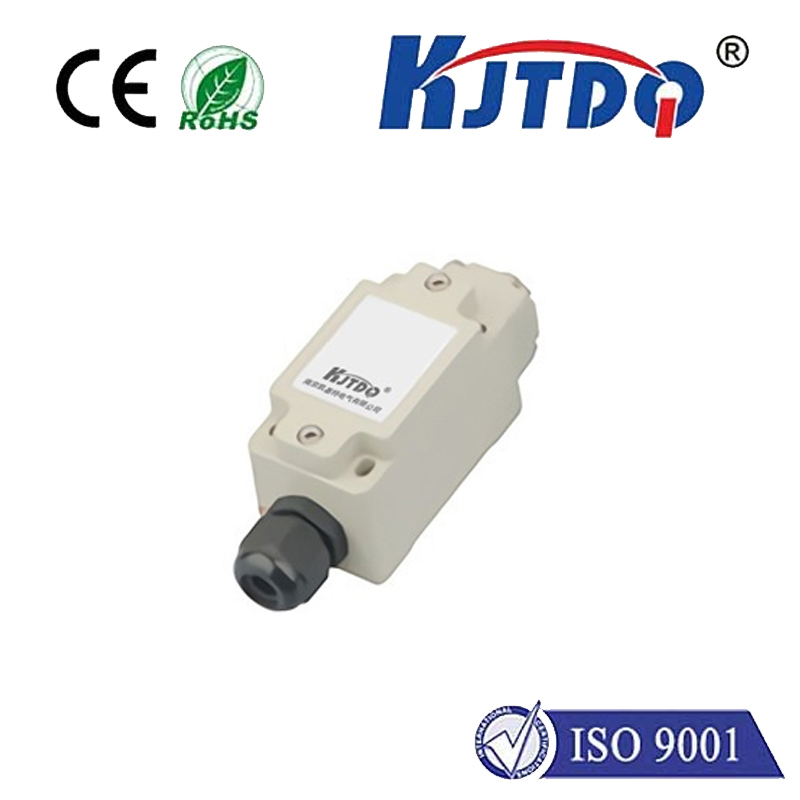
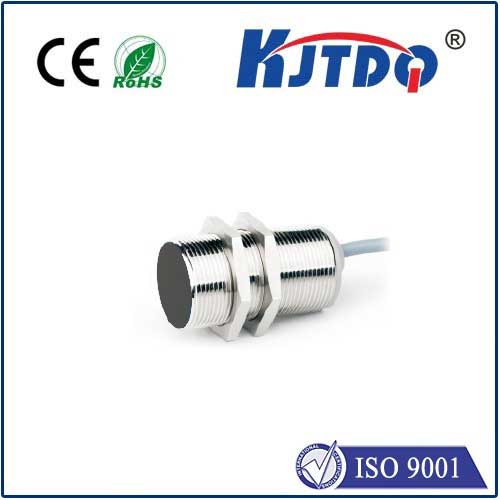
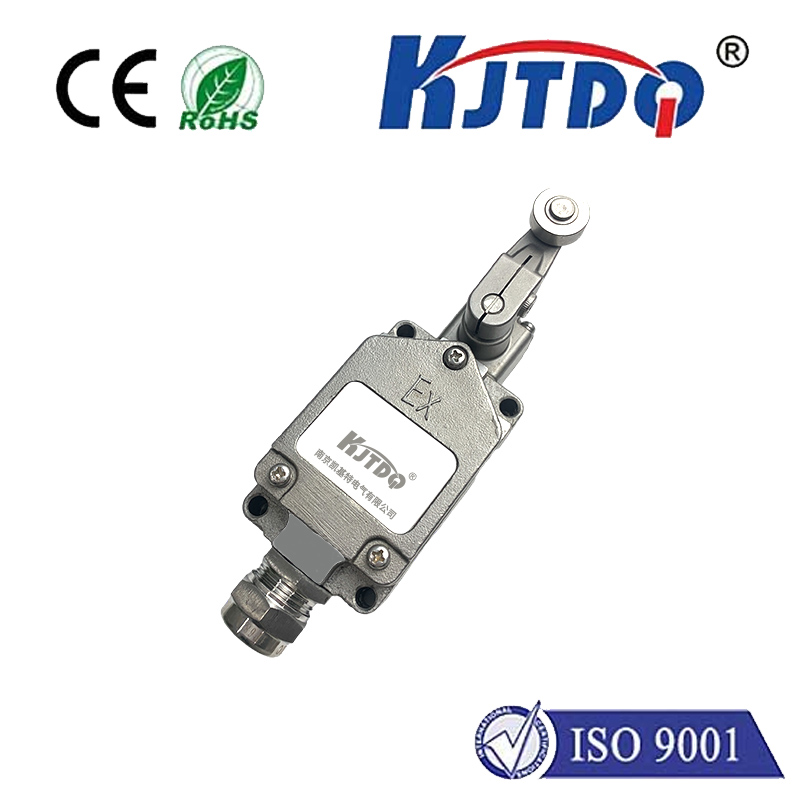
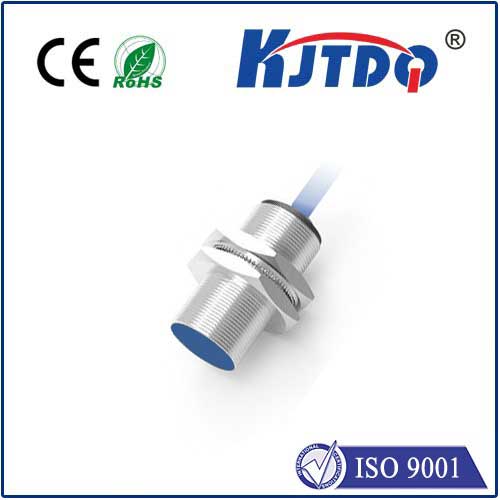
There are several common types of limit switches employed in winch systems, each suited to different applications. The rotary cam limit switch is among the most prevalent. It is mechanically linked to the winch drum's rotation. As the drum turns, it drives a gear train that eventually rotates a camshaft. Pre-set cams on this shaft activate microswitches at precise points corresponding to the desired travel limits. This type is highly reliable and allows for multiple set points for different functions. Another type is the lever-arm limit switch, which is physically actuated by the moving load or a component attached to the cable. When the load reaches its limit, it trips the lever, cutting power. Magnetic proximity switches offer a non-contact alternative. They sense the position of a metal target attached to a moving part, sending a signal when the target is near. This design is less susceptible to wear from vibration or physical impact. Finally, encoder-based systems provide the highest level of precision. An encoder mounted on the drum shaft provides real-time positional data to a programmable logic controller (PLC), which can execute complex stopping sequences and integrate with broader automation systems.
The benefits of a properly functioning winch limit switch extend far beyond basic accident prevention. Firstly, it dramatically enhances operational safety by eliminating the risk of operator error in judging distances, especially in high-speed or high-cycle applications. This protects workers on the ground and ensures compliance with stringent occupational safety guidelines. Secondly, it provides immense equipment protection. Preventing the winch from "pulling into the stops" reduces wear and tear on motors, gearboxes, brakes, and wire ropes, significantly extending the service life of expensive capital equipment. This translates directly into lower maintenance costs and reduced downtime. Thirdly, it improves productivity. Operators can work with greater confidence and speed, knowing the system has an automatic safety cutoff. It allows for precise, repeatable positioning of loads, which is essential in assembly lines or precision placement tasks.
However, installing a limit switch is not a "set it and forget it" proposition. Regular inspection and maintenance are paramount. Technicians should periodically check the switch for physical damage, corrosion, or loose connections. The actuation mechanism—whether a cam, lever, or target—must be verified for secure mounting and alignment. For mechanical switches, the set points should be tested regularly by running the winch (under no load) to its limits to confirm the switch activates correctly. It is also critical to ensure the switch fails safely; a faulty limit switch should default to a "stop" condition rather than allowing uncontrolled motion. Never bypass a limit switch, even temporarily, as this creates an immediate and severe hazard.
When selecting a winch limit switch, consider the specific application's demands. Evaluate the environmental conditions: will the switch be exposed to moisture, dust, extreme temperatures, or corrosive substances? Choose a housing with an appropriate Ingress Protection (IP) rating. Consider the required durability and cycle life; a heavy-duty industrial crane will need a far more robust switch than a light-duty workshop hoist. Also, think about the control system compatibility—whether it needs simple contact closures for a relay panel or a digital signal for a modern PLC.
In conclusion, the winch limit switch is a fundamental safety component that embodies the principle of proactive risk management. It is a small investment that safeguards against immense potential losses—from human injury to catastrophic equipment failure. For engineers, facility managers, and equipment operators, prioritizing the correct selection, installation, and maintenance of these switches is not just a technical requirement; it is a core responsibility for ensuring a safe and productive working environment. Never underestimate the critical role this silent guardian plays in every successful lift.