Проверка
Проверка
Проверка
Проверка
Проверка
Проверка
In the complex landscape of industrial heating, the reliability of a furnace system is paramount. While primary controls manage core operations, it is often the unsung components that provide the critical safety net preventing catastrophic failures. Among these, the auxiliary limit switch stands as a vital guardian. This device, specifically designed for furnace applications, plays an indispensable role in ensuring operational safety, protecting equipment, and maintaining process integrity far beyond the capabilities of basic primary controls.
An auxiliary limit switch in a furnace is a secondary safety control device. Its primary function is to monitor specific conditions, typically temperature or pressure, and interrupt the furnace operation if those parameters exceed a pre-set safe limit. Think of it as a dedicated sentry. The main thermostat or control system is the commander directing the heat output, but the auxiliary limit switch is the independent observer with the sole authority to sound the alarm and shut things down if something goes awry. This redundancy is not a luxury; it is a fundamental requirement for risk mitigation in environments where overheating can lead to damaged products, ruined heating elements, or even fire hazards.
The operational principle is straightforward yet highly effective. The switch is installed at a strategic location within the furnace or its ductwork, calibrated to activate at a temperature slightly above the normal maximum operating range but safely below any danger threshold for the equipment or process. For instance, if a furnace normally operates at 800°C, the primary controller maintains this temperature. The auxiliary limit switch might be set to open at 850°C. If the primary controller fails in the "on" position due to a stuck relay or sensor fault, the temperature will rise uncontrollably. Upon reaching 850°C, the auxiliary limit switch activates, breaking the electrical circuit to the main burner or heating elements, thereby initiating a safe shutdown. This action provides a crucial window for maintenance intervention before temperatures reach levels that could compromise the furnace lining, heating coils, or the structural integrity of the system itself.
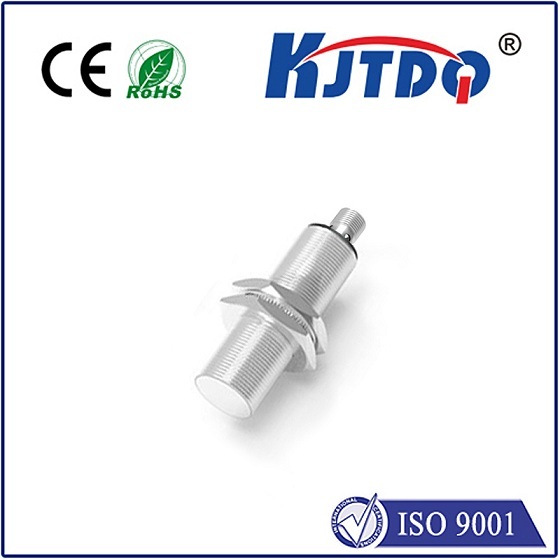
The integration of a high-quality auxiliary limit switch, such as those represented by the KJTDQ series, brings multifaceted benefits to industrial operations. The foremost advantage is enhanced safety. By providing a fail-safe mechanism independent of the primary control loop, it directly prevents overheating scenarios, protecting both personnel and capital assets. Secondly, it contributes significantly to equipment longevity. Repeated thermal stress from over-temperature events degrades refractory materials, electrical components, and metal parts. By catching these events early, the switch reduces wear and tear, extending the furnace's service life and lowering total cost of ownership through reduced downtime and repair costs.
Furthermore, the presence of a reliable auxiliary limit switch is a cornerstone of process consistency and quality assurance. In heat treatment or ceramic firing processes, an uncontrolled temperature spike can ruin an entire batch of products, leading to substantial material waste and financial loss. The switch acts as a quality gatekeeper, ensuring that any deviation severe enough to compromise product integrity triggers an immediate halt. This protection of product quality is directly linked to operational profitability and brand reputation. For facility managers and engineers, specifying a robust auxiliary limit switch like the KJTDQ is a proactive step in risk management. It demonstrates a commitment to safety protocols, can help in complying with industrial safety standards and insurance requirements, and provides peace of mind. Modern versions of these switches offer features like manual reset functions, which prevent the system from automatically restarting after a trip, requiring a technician to physically reset it. This ensures the root cause of the over-temperature condition is investigated and addressed, preventing a recurring fault.
When selecting an auxiliary limit switch for a furnace, several technical considerations are crucial. The temperature rating must comfortably exceed the maximum potential fault temperature of the application. The construction material must withstand the furnace atmosphere, whether it's oxidizing, reducing, or corrosive. The type of actuator—whether a bimetallic coil, rod-and-tube, or bulb-and-capillary system—must be chosen for its responsiveness and suitability to the installation point. Electrical ratings for the switch contacts must match or exceed the load they are controlling. Proper installation location is also key; it must be in a position to accurately sense the temperature condition it is meant to guard against, often in the furnace chamber or in the exhaust stream where overheating signs manifest quickly.
In conclusion, while often overlooked in initial system design, the auxiliary limit switch is a critical component for any serious industrial furnace application. It is the definitive backup, the essential layer of protection that bridges the gap between normal operation and potential disaster. Investing in a reliable and precisely calibrated switch, such as the KJTDQ auxiliary limit switch for furnaces, is not merely an addition to a parts list. It is a strategic investment in safety, asset protection, and operational excellence. It ensures that heating processes remain productive, profitable, and, above all, safe, safeguarding the heart of industrial thermal processing from the unforeseen.