Проверка
Проверка
Проверка
Проверка
Проверка
Проверка
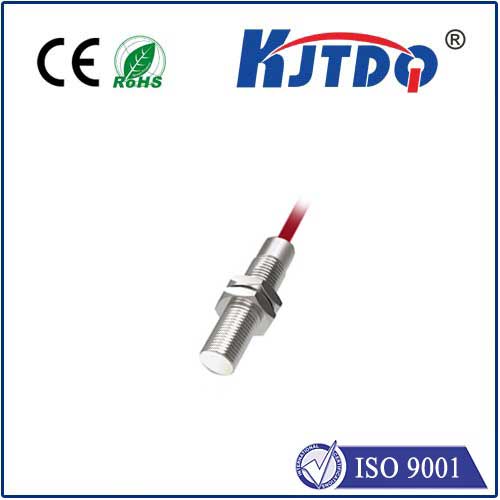
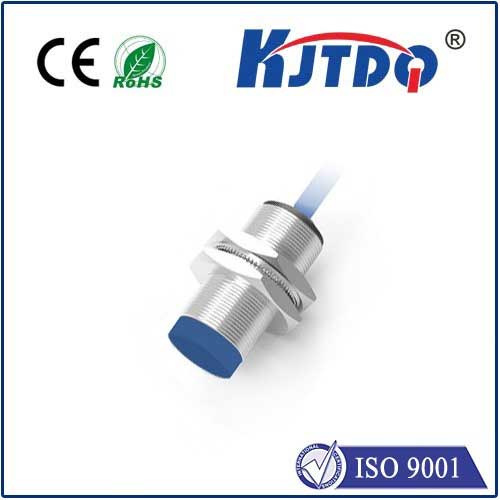
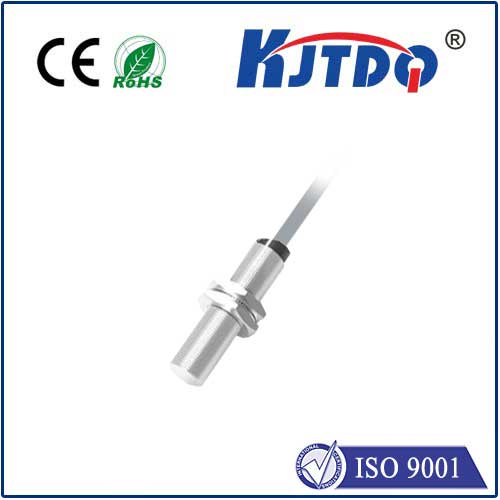
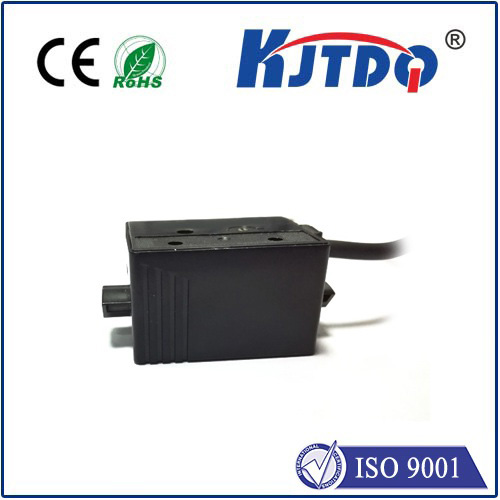
In the realm of industrial automation, the seamless operation of machinery hinges on the precision of its components. Among these, the limit switch trigger stands as a fundamental yet critical element, often determining the efficiency and safety of entire systems. This device, a type of sensor, is engineered to detect the presence or absence of an object, or to monitor positional limits, thereby initiating or halting a sequence of operations. Its role is pivotal in applications ranging from conveyor belts and robotic arms to elevator controls and manufacturing assembly lines.
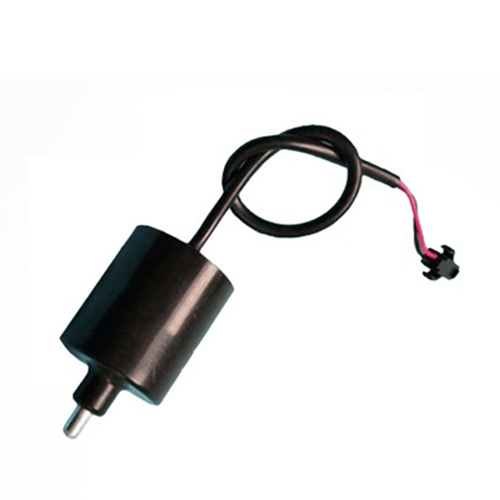
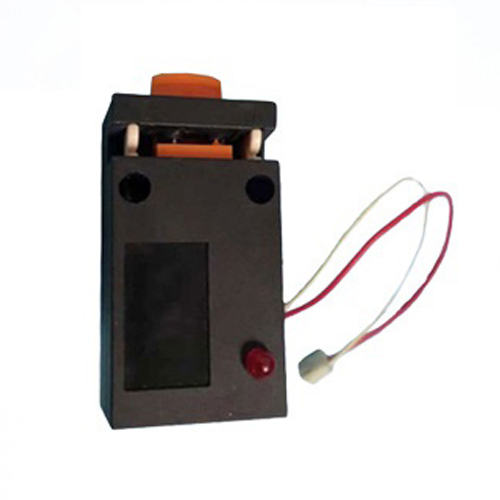
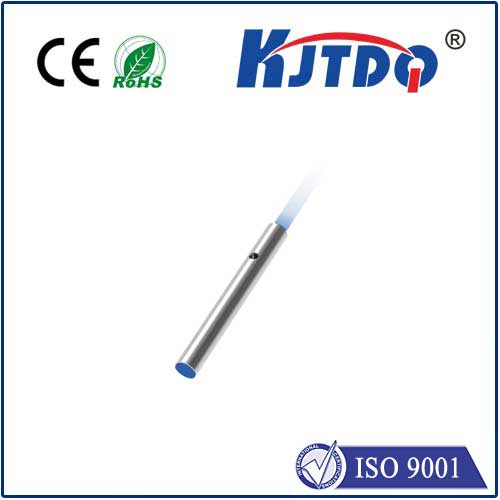
The core function of a limit switch trigger is to convert mechanical motion into an electrical signal. Typically, it consists of an actuator—a lever, roller, or plunger—that makes physical contact with a moving part. When the target object reaches a predetermined point, it engages the actuator. This physical interaction triggers the internal switching mechanism, either opening or closing an electrical circuit. This simple action sends a definitive signal to the programmable logic controller (PLC) or other control systems, instructing the machinery to perform the next programmed action, such as stopping, reversing direction, or activating another process.
Why is the reliability of the limit switch trigger so paramount? In high-speed production environments, even a millisecond of delay or a single false signal can lead to costly downtime, product defects, or, in worst-case scenarios, equipment damage and safety hazards. A robust limit switch is designed to withstand harsh industrial conditions, including exposure to dust, moisture, extreme temperatures, and repetitive mechanical stress. Manufacturers achieve this through sealed housings, durable materials like stainless steel or engineering plastics, and contacts rated for millions of operational cycles. This durability ensures consistent performance, minimizing unplanned maintenance and supporting continuous operation.
The evolution of technology has further refined the capabilities of limit switch triggers. While traditional mechanical switches remain widely used for their simplicity and cost-effectiveness, modern variants offer enhanced features. For instance, solid-state limit switches, with no moving parts, provide faster response times and higher reliability in environments with severe vibration. Furthermore, the integration of smart sensors and Industrial Internet of Things (IIoT) connectivity allows for predictive maintenance. These advanced triggers can monitor their own health, track operational counts, and alert technicians to potential wear before a failure occurs, transforming reactive maintenance into a proactive strategy.
Selecting the right limit switch trigger for a specific application requires careful consideration. Engineers must evaluate factors such as the required actuation force, the speed of the target object, the electrical load (current and voltage) of the circuit, and the environmental IP (Ingress Protection) rating. The physical form factor—whether a compact design for tight spaces or a long-lever type for wider detection arcs—is also crucial. Proper installation and alignment are equally important; a misaligned switch will fail to actuate correctly, compromising the entire control loop.
In practice, consider a packaging line where cartons move along a conveyor. A precisely positioned limit switch trigger detects each carton as it arrives at the sealing station. Upon detection, it signals the machine to activate the sealer. After the operation is complete, another trigger confirms the carton has moved on, clearing the station for the next one. This precise coordination, orchestrated by these seemingly simple devices, ensures smooth, efficient, and synchronized workflow. Similarly, in automated storage and retrieval systems, limit switches provide exact positioning data for cranes, preventing overtravel and ensuring accurate placement of goods.
Ultimately, the limit switch trigger is a testament to the principle that foundational components drive complex automation. Its unwavering ability to provide a definitive physical-electrical interface makes it an indispensable workhorse in factories and facilities worldwide. By ensuring accurate positional control and reliable signal transmission, it not only safeguards machinery but also optimizes productivity, reduces waste, and upholds safety standards. As automation grows more sophisticated, the demand for even more precise, durable, and intelligent limit switch triggers will undoubtedly continue to rise, solidifying their role as a key enabler of industrial progress and operational excellence.