Проверка
Проверка
Проверка
Проверка
Проверка
Проверка
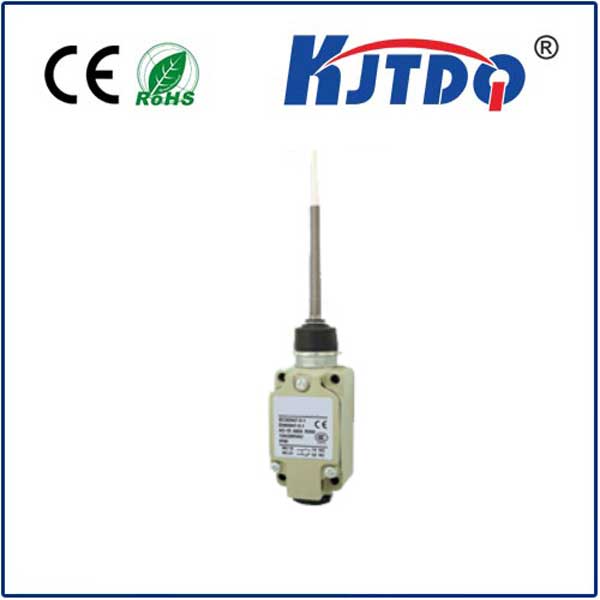
In the intricate world of heating, ventilation, and air conditioning (HVAC) systems, numerous components work silently to ensure safety, efficiency, and comfort. Among these critical safety devices is the vent temperature limit switch, a component whose function is paramount yet often overlooked until a problem arises. This switch acts as a vigilant guardian, monitoring the temperature within the exhaust vent or flue of a heating system, typically a furnace.
The primary role of a vent temperature limit switch is to prevent overheating. It is strategically installed in the vent pipe or near the heat exchanger. During normal operation, combustion gases are safely expelled through the vent. The switch constantly monitors the temperature of these gases. If the temperature rises to an abnormally high, potentially dangerous level, the switch is designed to "trip" or open the electrical circuit. This action immediately shuts off the burner or heat source, halting the heating process. This intervention is crucial for preventing damage to the heat exchanger, which can be costly to repair, and more importantly, for mitigating serious safety hazards such as the risk of fire or the release of harmful carbon monoxide into the living space due to a cracked heat exchanger.
Several scenarios can trigger the activation of a vent temperature limit switch. A common cause is a restricted or blocked vent pipe. If the pathway for exhaust gases is obstructed by debris, bird nests, or ice in colder climates, the hot gases cannot escape efficiently. This causes heat to build up rapidly within the system, tripping the limit switch. Similarly, a malfunctioning inducer fan or draft motor, responsible for pulling combustion gases through the vent, can lead to poor exhaust flow and subsequent overheating. Other potential culprits include a dirty air filter restricting airflow over the heat exchanger, a faulty gas valve causing an improper fuel mixture, or a failing heat exchanger itself.
When a vent temperature limit switch trips, the immediate symptom is usually that the furnace will stop heating. It may blow cool air or not run at all. The system often requires a manual reset, either by pressing a reset button on the switch itself or by cycling the furnace's power. However, it is critical to understand that resetting the switch is not a fix; it is merely a temporary clearance. If the underlying issue—be it a blockage, mechanical failure, or airflow problem—is not diagnosed and resolved by a qualified HVAC technician, the switch will likely trip again. Repeatedly resetting a limit switch without addressing the root cause can lead to severe equipment damage and compromise household safety.
For homeowners, awareness is key. Regular professional maintenance is the best defense against issues related to the vent temperature limit switch. An annual furnace tune-up should include an inspection of the venting system for any obstructions, a check of the inducer fan's operation, and a measurement of temperature rise to ensure it is within the manufacturer's specifications. Technicians will also test the limit switch itself for proper calibration and function. Never ignore a furnace that frequently shuts off or requires resets. This is a clear signal that the system's safety mechanisms are actively responding to a problem.
In summary, the vent temperature limit switch is an essential safety sentinel in modern HVAC systems. Its function goes beyond mere temperature regulation; it is a fundamental component designed to protect both the expensive heating equipment and the occupants of the home from dangerous conditions. Understanding its purpose encourages proactive maintenance and a respectful approach to system warnings, ensuring warm, safe, and efficient operation throughout the heating season.