Проверка
Проверка
Проверка
Проверка
Проверка
Проверка
In the world of CNC machining, precision and reliability are non-negotiable. The seamless integration of a robust limit switch with sophisticated control software like Mach3 forms the backbone of efficient and safe machine operation. This synergy is critical for hobbyists and professional machinists alike, ensuring that automated equipment operates within its physical boundaries while maintaining peak performance.
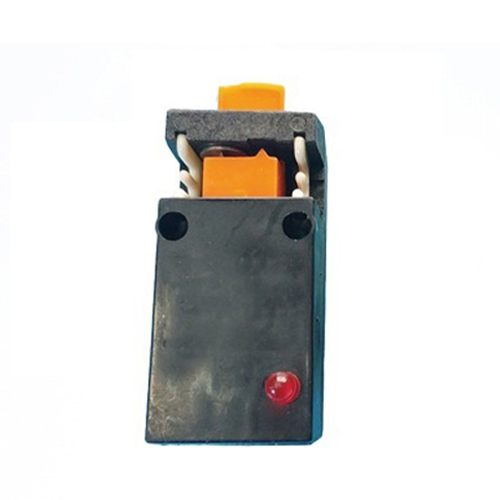
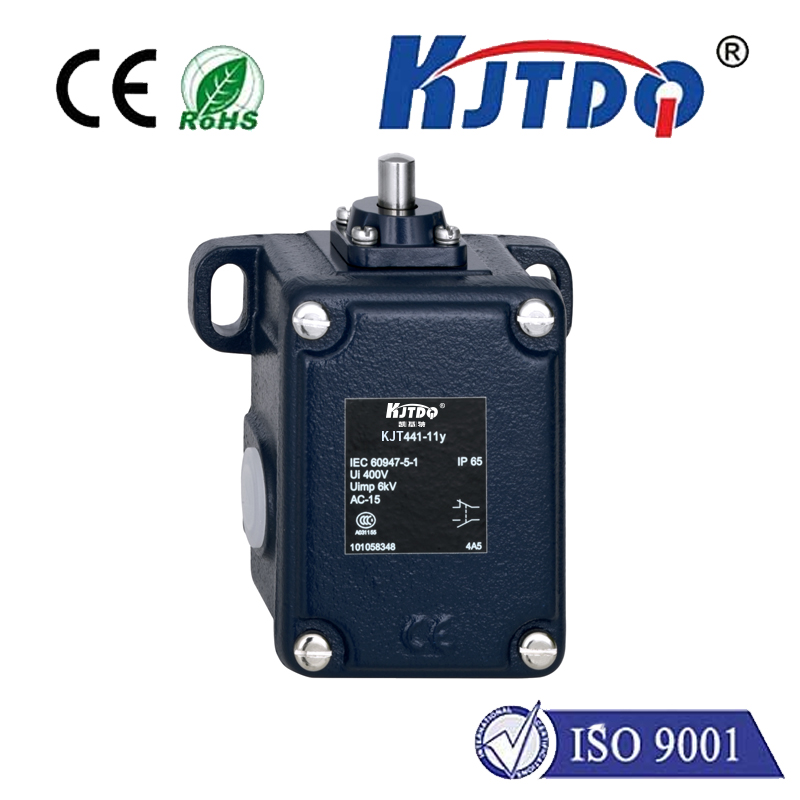
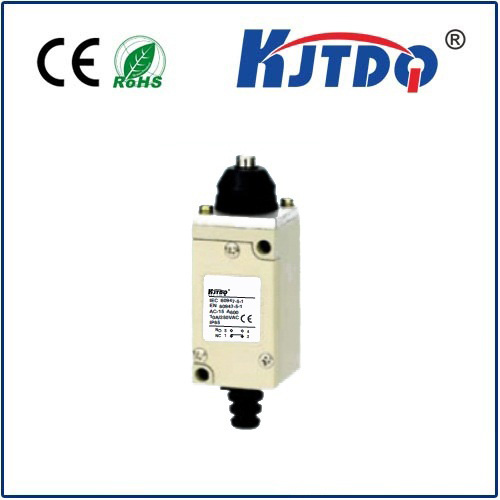
A limit switch serves as a fundamental safety and homing device on CNC routers, mills, and lathes. Its primary function is to detect the presence or absence of an object, or to monitor the position of a machine axis. When an axis reaches its predefined travel limit, the switch is actuated, sending a signal to the controller to halt movement immediately. This prevents costly and dangerous collisions, protecting both the machine's mechanical components and the workpiece.
Mach3, a powerful and widely-used PC-based CNC control software, interprets these signals with high precision. Configuring limit switches within the Mach3 software is a crucial setup step. Proper configuration involves defining the input pins on the breakout board that are connected to the switches and setting the software's response parameters. When a limit switch is triggered, Mach3 can be set to perform an emergency stop, pause the program, or execute a specific homing sequence. The software's diagnostic screen allows users to monitor the real-time status of each switch, enabling quick troubleshooting.
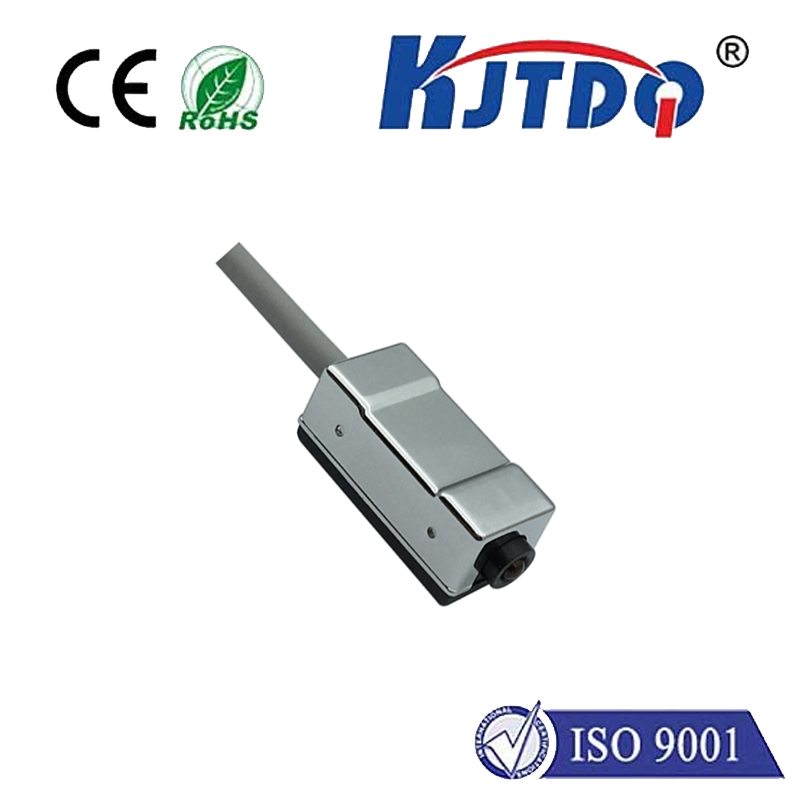
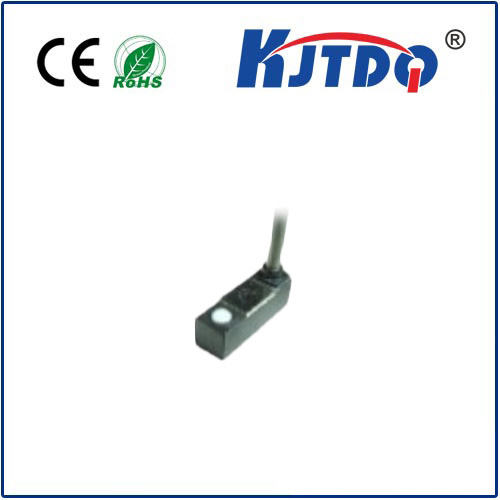
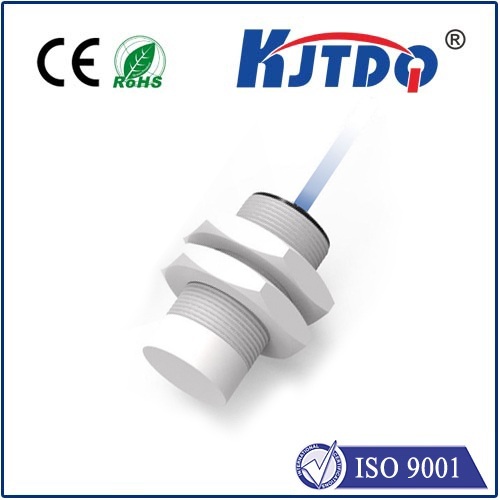
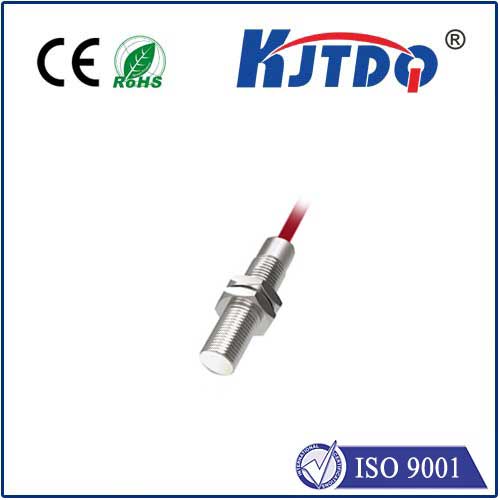
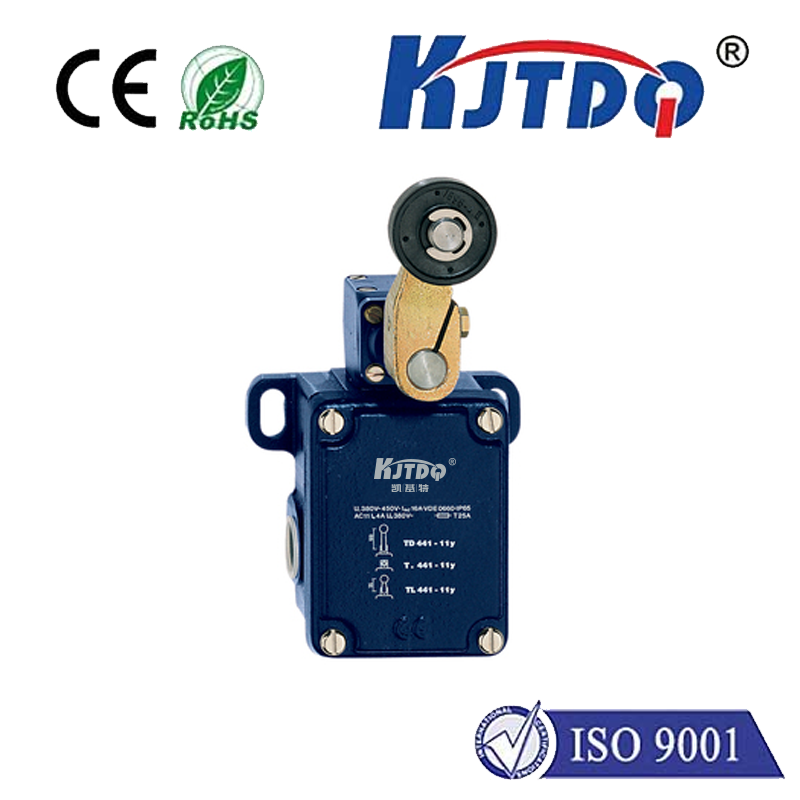
The choice of limit switch significantly impacts system reliability. Mechanical lever-arm switches are common and cost-effective for many applications. However, in environments with high vibration or where non-contact sensing is preferred, proximity sensors or optical limit switches offer superior durability and faster response times. Ensuring these switches are correctly mounted, aligned, and wired is essential for consistent signal transmission. Shielded cables are recommended to prevent electrical noise from the motors and drives from causing false triggers in the Mach3 controller.
For optimal performance, the integration process must be meticulous. After physical installation, the Mach3 software must be calibrated. This includes setting the travel limits in the software's configuration to match the physical limits detected by the switches. The homing routine, which uses the limit switches as reference points to establish a machine's zero position, must be tested repeatedly. A well-configured homing sequence ensures repeatable accuracy, which is vital for multi-part production runs.
Common challenges in this integration include switch bounce, where a mechanical switch generates multiple rapid signals upon actuation, and noise interference. Mach3 provides software filtering options to debounce signals, and using high-quality components from the power supply to the switches themselves minimizes electrical noise. Regular maintenance, such as checking for loose connections and cleaning switch contacts, prevents unexpected downtime.
The benefits of a perfectly tuned limit switch and Mach3 system are substantial. It enhances operational safety by creating a reliable fail-safe mechanism. It improves machining accuracy by providing consistent homing. Furthermore, it protects the machine's investment by preventing catastrophic over-travel damage to ball screws, linear guides, and motors. For users creating complex parts, this reliability translates to confidence in the machine's autonomous operation.
Ultimately, the partnership between a dependable limit switch and the Mach3 control platform is more than just a technical requirement; it is a cornerstone of professional CNC practice. It empowers users to push the boundaries of their projects with the assurance that their machine has defined, enforceable boundaries of its own. This setup exemplifies how combining precise hardware with intelligent software control unlocks true manufacturing potential, from prototype development to finished product.