In industrial automation and machinery control, the reliability of safety mechanisms directly impacts operational efficiency and personnel protection. Among various components designed to ensure safe operations, snap limit switches stand out as critical devices for monitoring and controlling mechanical movements. These switches activate or deactivate circuits when a predetermined limit is reached, preventing equipment overtravel, misalignment, or hazardous conditions. KJTDQ snap limit switches integrate advanced engineering to deliver consistent performance in demanding environments, from manufacturing lines to heavy-duty machinery.
The design of KJTDQ snap limit switches emphasizes durability and accuracy. Constructed with robust materials such as stainless steel housings and precision-engineered contacts, these switches withstand vibrations, temperature fluctuations, and exposure to dust or moisture. Their snap-action mechanism ensures quick, decisive switching, minimizing arcing and wear on electrical contacts. This feature is particularly valuable in applications requiring rapid response times, such as conveyor systems, robotic arms, or elevator controls, where delayed reactions could lead to downtime or safety incidents.
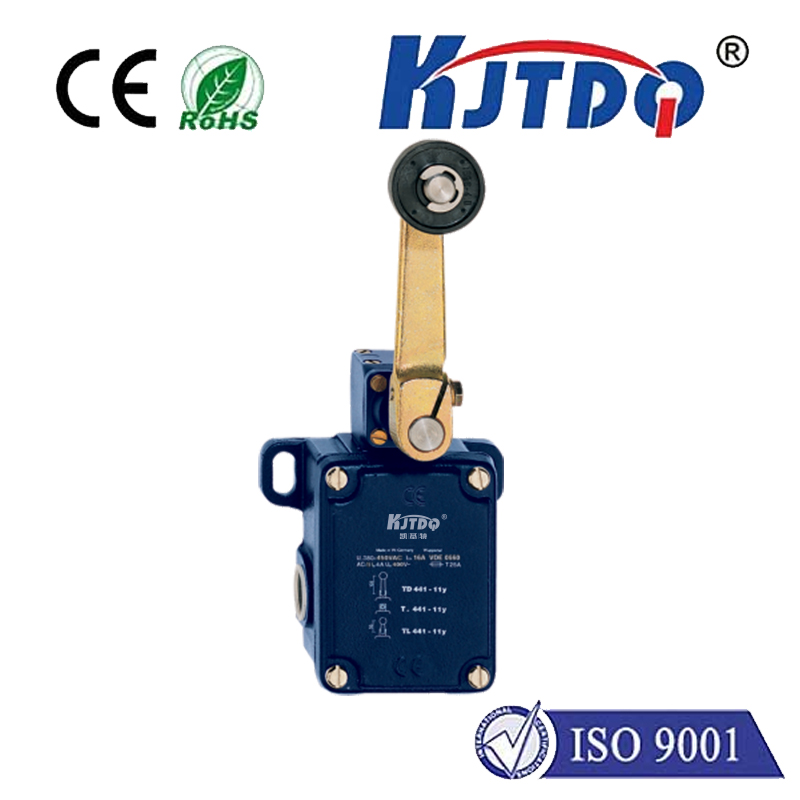
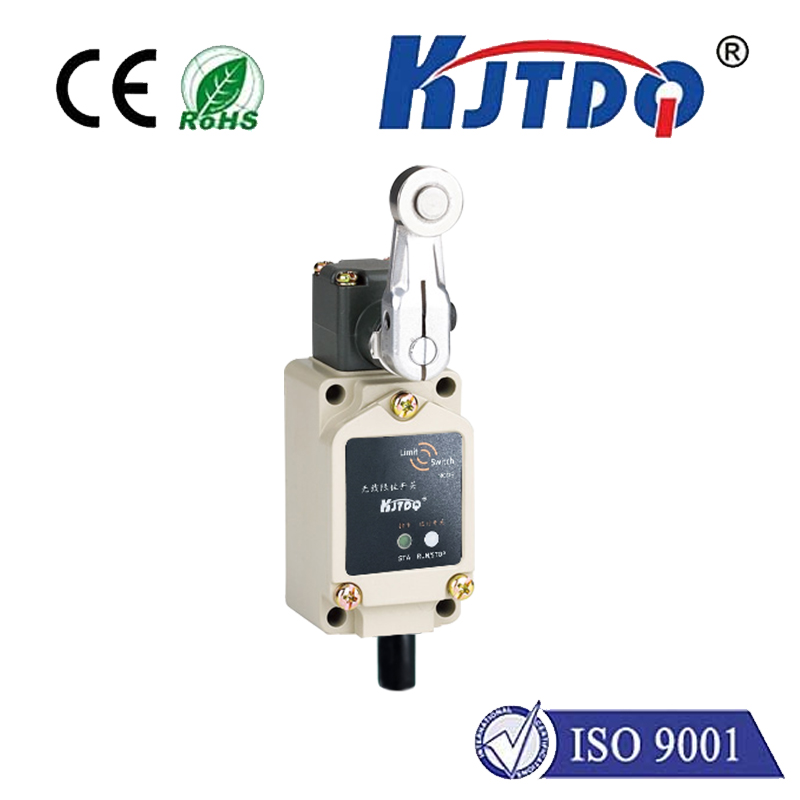
Installation and integration of KJTDQ snap limit switches are streamlined for versatility. Many models offer adjustable levers, rollers, or plunger actuators, allowing customization based on specific mechanical configurations. For instance, in packaging machinery, a roller-arm switch might detect when a product reaches the end of a belt, triggering the next phase of operation. In automotive assembly lines, these switches can halt robotic welders if a component is mispositioned, reducing material waste and preventing damage. The switches often comply with international safety standards, including IEC and UL certifications, ensuring compatibility with global industrial protocols.
Beyond basic functionality, KJTDQ snap limit switches contribute to predictive maintenance strategies. By monitoring switch actuation cycles, operators can identify irregular patterns—such as frequent triggering or failure to engage—that signal mechanical wear or misalignment. This data, when integrated with IoT-enabled systems, enables real-time alerts and reduces unplanned outages. For example, in a paper mill, consistent switch performance helps maintain precise tension on rolls, while deviations prompt inspections before breakdowns occur. Such proactive approaches lower repair costs and extend equipment lifespan.
Environmental adaptability further distinguishes KJTDQ solutions. Options with IP67-rated enclosures protect against water and dust ingress, suitable for food processing plants or outdoor construction equipment. High-temperature variants operate reliably in foundries or kilns, where thermal resilience is paramount. Additionally, electrical ratings span low-voltage signal circuits to high-power industrial loads, accommodating diverse control panel designs without requiring auxiliary components. This flexibility simplifies inventory management for maintenance teams overseeing multiple machine types.
In practice, a manufacturing facility upgrading to KJTDQ snap limit switches reported a 30% reduction in downtime related to positional errors. The switches’ precise actuation points eliminated false triggers common with older models, enhancing production line synchronization. Another case in material handling saw improved safety: switches installed on crane hoists prevented overloads by cutting power at set height limits, aligning with OSHA guidelines. These examples underscore how reliable limit switches translate to tangible operational benefits.
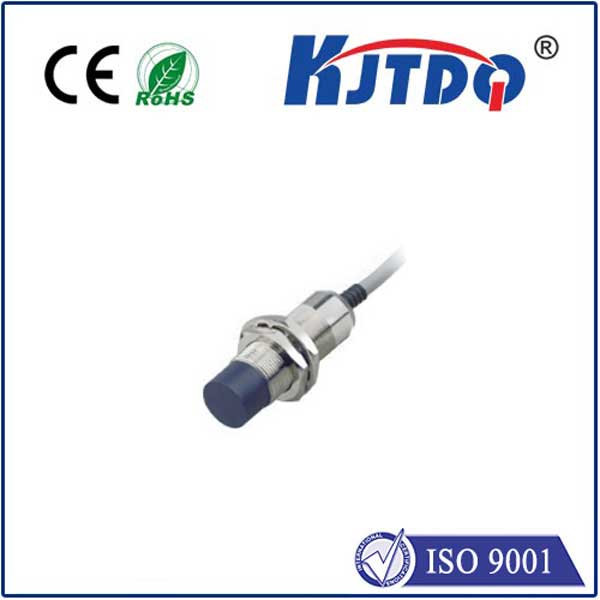
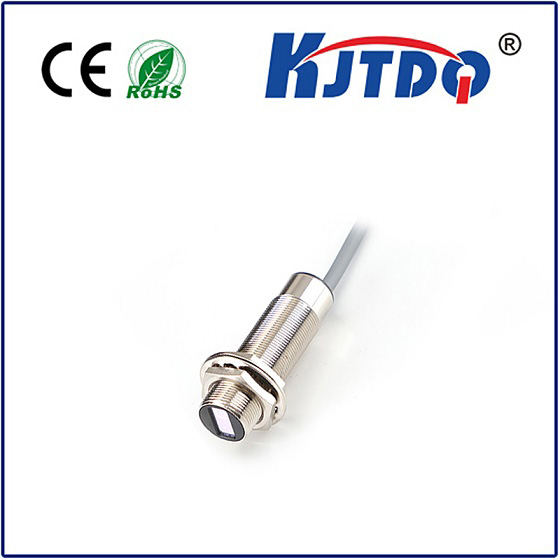
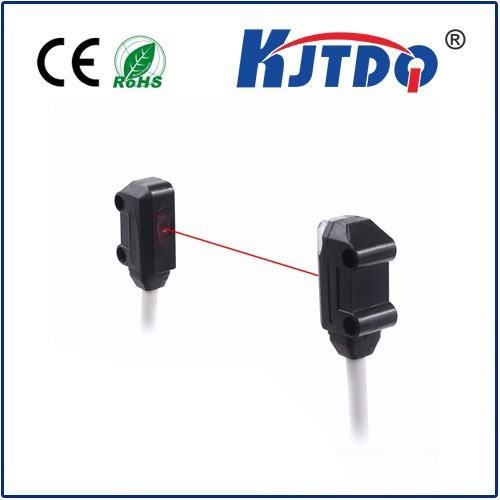
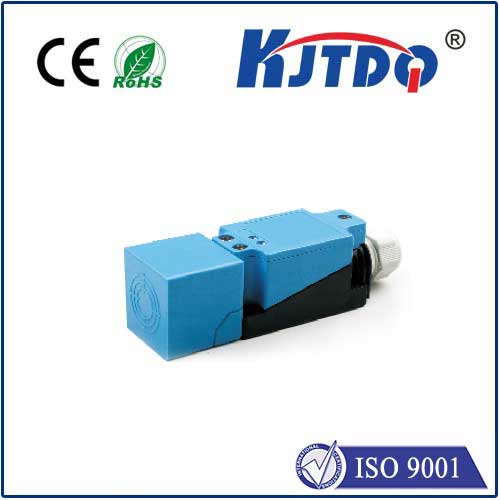
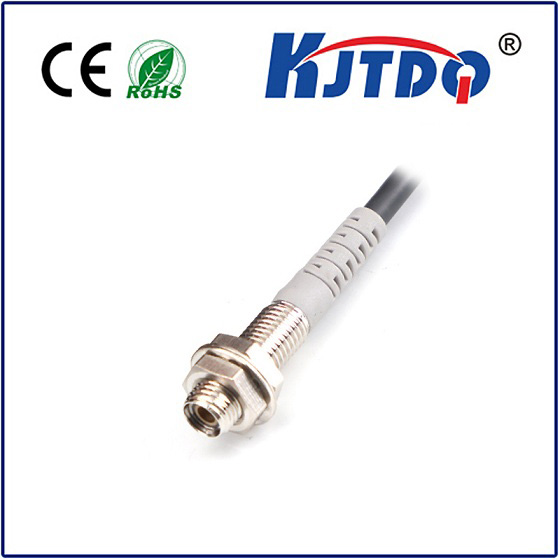
Looking ahead, innovations in snap limit switch technology continue to evolve. KJTDQ incorporates feedback from field applications to refine designs, such as adding magnetic or inductive non-contact variants for scenarios where physical lever wear is a concern. These advancements support Industry 4.0 initiatives, where seamless integration with PLCs and SCADA systems fosters smarter, automated workflows. By prioritizing precision and resilience, KJTDQ snap limit switches remain integral to modern industrial ecosystems, safeguarding both machinery and human operators.
Ultimately, selecting the right snap limit switch involves assessing factors like actuation force, electrical load, and environmental hazards. KJTDQ’s product range offers tailored solutions, backed by technical support to ensure optimal deployment. Whether for routine upgrades or new installations, these switches provide a dependable layer of control, reinforcing that in industrial automation, safety and precision are inseparable—and achievable with the right components.