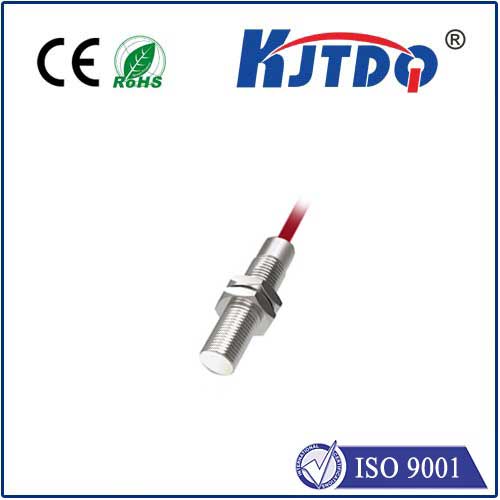
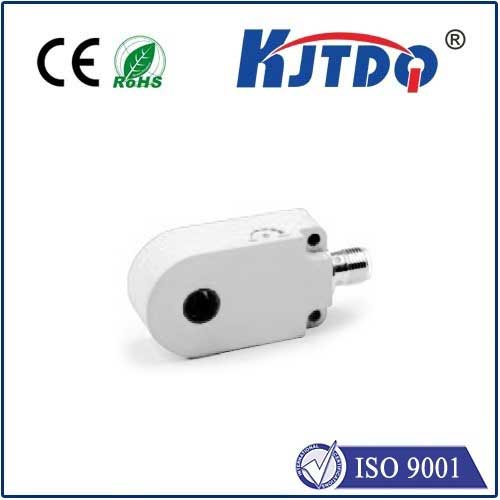
In the world of industrial automation and machinery control, the demand for precise, reliable, and durable components is paramount. Among these critical components, the rotary cam limit switch stands out as a fundamental device for controlling the movement and position of rotating machinery. These switches are engineered to provide accurate signaling at predetermined angular positions, ensuring that equipment operates within safe and optimal parameters. The integration of advanced technologies, such as those found in the KJTDQ series, has further elevated the performance and application scope of these essential devices.
Rotary cam limit switches function by utilizing a rotating shaft, which is mechanically linked to the machine's moving part. Mounted on this shaft are one or more cams that actuate switch elements at specific angles as the shaft rotates. This simple yet effective mechanical principle allows for the control of multiple circuits from a single drive point. The primary role of these switches is to initiate or halt operations, provide positional feedback, sequence operations, or act as safety interlocks to prevent over-travel or mechanical damage. Their design makes them indispensable in applications involving repetitive motion cycles, such as in conveyor systems, packaging machinery, material handling equipment, and automated assembly lines.
The reliability of a rotary cam limit switch hinges on several key factors. The construction materials must withstand harsh industrial environments, including exposure to dust, moisture, vibrations, and temperature fluctuations. High-quality switches feature robust housings, often made from die-cast aluminum or stainless steel, offering excellent protection ratings. The internal switching elements, whether mechanical snap-action, solid-state, or proximity-based, must deliver consistent electrical performance over millions of cycles. Precision in cam setting and adjustment is another critical aspect, as it directly impacts the accuracy of the switching points. Modern switches provide easy and tool-less cam adjustment mechanisms, allowing for quick setup and fine-tuning during installation or maintenance.
The KJTDQ series of rotary cam limit switches exemplifies the evolution of this technology. Designed with a focus on enhanced durability and user convenience, these switches incorporate features that address common challenges in demanding applications. One significant advancement is the improved sealing technology, which provides superior ingress protection against contaminants. This ensures consistent operation even in washdown environments or outdoor settings. Furthermore, the KJTDQ switches often utilize high-grade electrical contacts and corrosion-resistant components, extending their service life and reducing the need for frequent replacements.
Another area where the KJTDQ series excels is in its modularity and flexibility. Many models offer a modular design, allowing users to configure the number of cams and switching elements according to the specific needs of their application. This modular approach not only provides customization but also simplifies inventory management, as a single base unit can be adapted for various functions. The clear, easy-to-read angle scales and positive cam-locking mechanisms facilitate precise and repeatable settings, minimizing downtime during changeovers.
From an operational safety perspective, rotary cam limit switches are vital. They serve as the first line of defense against mechanical failures that could lead to equipment damage or personnel injury. By accurately defining the limits of rotary motion, they prevent over-torquing, jamming, or collisions. In complex machinery, a network of these switches can create a comprehensive safety interlock system, ensuring that certain operations only proceed when other components are in a safe state. The robust design of switches like the KJTDQ series ensures that this safety function remains intact under stressful operating conditions.
Maintenance considerations are also streamlined with well-designed rotary cam limit switches. Features such as visible position indicators, easily accessible terminals, and the ability to replace individual switch blocks without dismantling the entire unit contribute to lower total cost of ownership. Predictive maintenance becomes more manageable when the switch's condition can be easily monitored, and its mechanical life is predictable based on cycle counts.
In conclusion, the rotary cam limit switch remains a cornerstone of automated motion control. Its principle is timeless, but its execution continues to improve. Products like the KJTDQ series demonstrate how thoughtful engineering can enhance precision, reliability, and versatility. For engineers and maintenance professionals seeking to optimize machine performance and safety, selecting a high-quality rotary cam limit switch is not just a component choice—it is a strategic decision for long-term operational efficiency and reliability. As industries move towards greater connectivity and Industry 4.0 standards, the fundamental role of these precise mechanical-electrical interfaces will undoubtedly persist, forming a reliable bridge between physical motion and digital control systems.