Проверка
Проверка
Проверка
Проверка
Проверка
Проверка
In industrial automation and machinery, limit switches play a critical role in ensuring safety, precision, and operational efficiency. However, the cost associated with these components can be a significant concern for businesses aiming to optimize their budgets without compromising performance. This article explores practical strategies to manage and reduce limit switch expenses while highlighting how KJTDQ solutions offer a reliable and cost-effective alternative.
Understanding the factors that drive limit switch costs is the first step toward effective cost reduction. Traditional limit switches often come with high upfront prices due to complex manufacturing processes, premium materials, or brand premiums. Additionally, maintenance, replacement, and downtime costs can add up over time, especially if switches are prone to failure in harsh environments. By analyzing these cost drivers, companies can identify areas for improvement, such as selecting switches with longer lifespans or better environmental resistance.
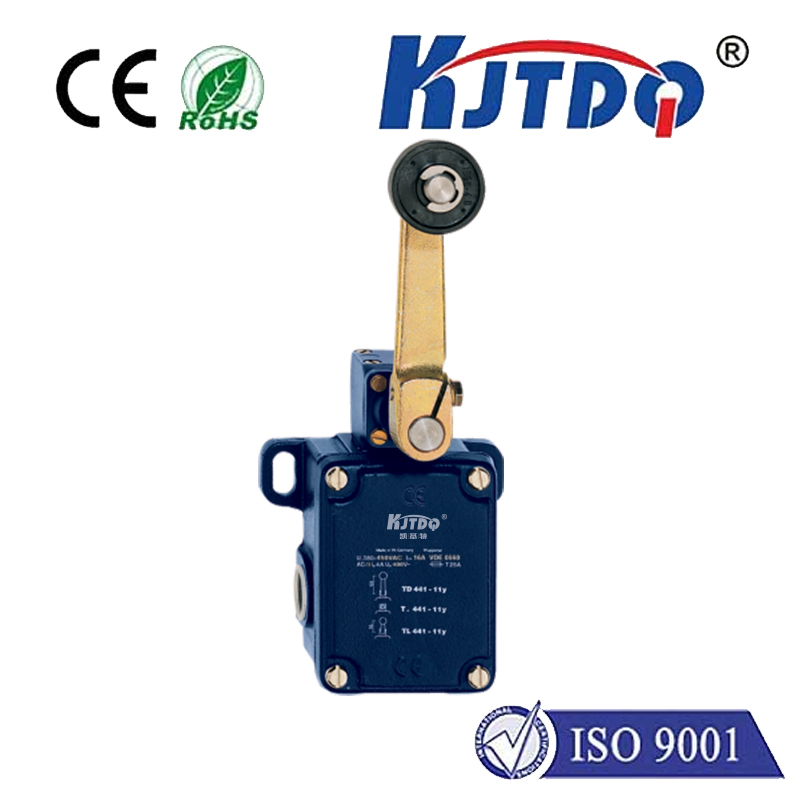
One effective way to cut costs is through strategic procurement. Instead of opting for the cheapest available option, consider the total cost of ownership (TCO), which includes purchase price, installation, maintenance, and potential downtime. KJTDQ limit switches are engineered to provide durable performance in demanding conditions, reducing the need for frequent replacements. Their robust design incorporates high-quality materials that withstand dust, moisture, and temperature fluctuations, ensuring reliability in applications like conveyor systems, robotics, and assembly lines.
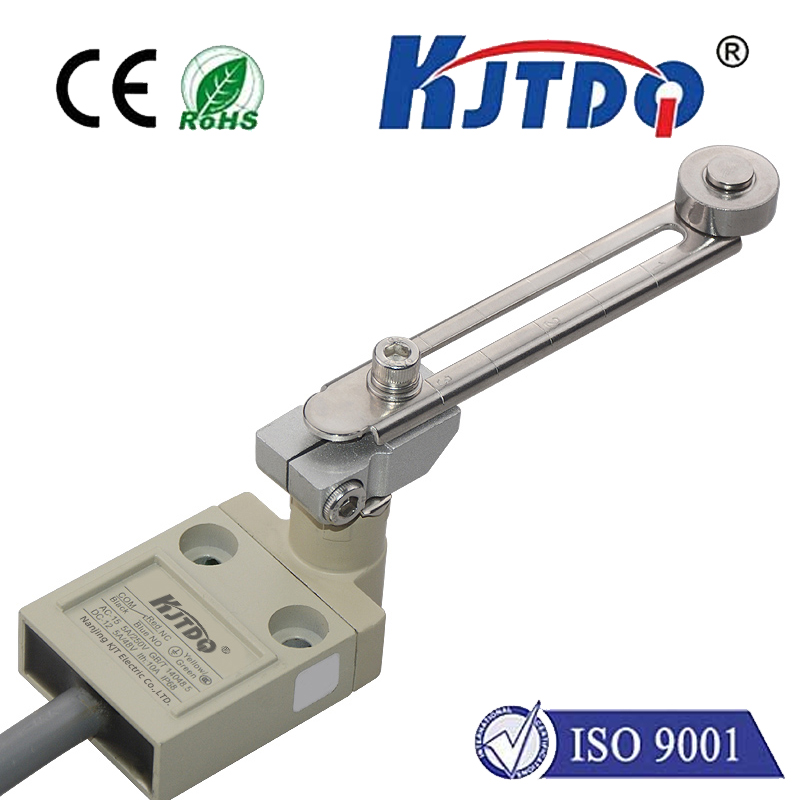
Another key strategy is to leverage technological advancements. Modern limit switches, including those from KJTDQ, often feature modular designs or smart capabilities that enhance functionality while keeping costs manageable. For example, some models offer adjustable actuation points or integrated diagnostics, allowing for easier customization and troubleshooting. This not only minimizes installation time but also prevents costly errors during operation. By investing in such innovative solutions, businesses can achieve long-term savings through improved efficiency and reduced maintenance intervals.
Proper installation and maintenance practices also contribute to cost reduction. Incorrect mounting or misalignment can lead to premature wear and failure, increasing replacement frequency. Training staff on correct installation techniques and routine checks—such as verifying actuator alignment or cleaning contacts—can extend switch lifespan significantly. KJTDQ provides comprehensive support resources, including installation guides and maintenance tips, to help users maximize the value of their limit switches. Additionally, partnering with suppliers that offer warranties or after-sales services can further protect against unexpected expenses.
In some cases, redesigning equipment layouts or processes can lower the number of limit switches required. For instance, optimizing sensor placement or using multi-function switches might reduce component counts without sacrificing safety or precision. KJTDQ’s versatile product range includes compact and multi-purpose switches suitable for space-constrained or complex applications, enabling more efficient system designs. By conducting a thorough audit of current setups, companies can identify redundancies and implement streamlined solutions that cut both initial and ongoing costs.
Finally, consider the environmental and operational context. Harsh conditions like extreme temperatures, corrosive substances, or heavy vibrations can accelerate switch degradation, leading to higher costs. Selecting limit switches specifically rated for such environments—like KJTDQ’s industrial-grade options—can prevent frequent failures. These switches are tested to meet international standards for durability and performance, ensuring they deliver consistent results even under stress. Investing in higher-quality switches upfront may involve a slightly higher initial outlay, but it pays off through reduced downtime and lower lifetime expenses.
In summary, reducing limit switch cost involves a holistic approach that balances quality, technology, and maintenance. KJTDQ solutions stand out by offering durable, adaptable, and efficient switches that address common pain points in industrial settings. By focusing on total cost of ownership and leveraging innovative designs, businesses can achieve significant savings while maintaining high operational standards. Whether upgrading existing systems or planning new installations, exploring KJTDQ’s offerings can lead to smarter investments and enhanced productivity.