Проверка
Проверка
Проверка
Проверка
Проверка
Проверка
In the world of computer numerical control (CNC) machining, safety and precision are paramount. LinuxCNC, an open-source software for controlling CNC machines, offers robust solutions for integrating limit switches, which play a critical role in preventing damage and ensuring accurate operations. Limit switches are electromechanical devices that detect the physical limits of machine movement, triggering a stop or reversal to avoid collisions or over-travel. When properly configured with LinuxCNC, these switches enhance machine reliability and protect both the equipment and operator.
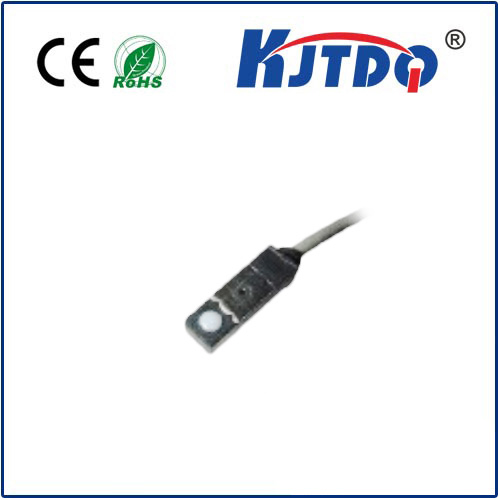
The integration of limit switches into a LinuxCNC setup begins with understanding their types and functions. Typically, limit switches are positioned at the extremes of each axis—X, Y, and Z—to define the machine's working boundaries. They can be normally open (NO) or normally closed (NC), with NC configurations often preferred for safety due to their fail-safe nature. In LinuxCNC, configuring these switches involves editing configuration files, such as the HAL (Hardware Abstraction Layer) and INI files, to map switch inputs to software signals. This process requires attention to detail to ensure that the switches respond correctly during homing sequences and routine operations.
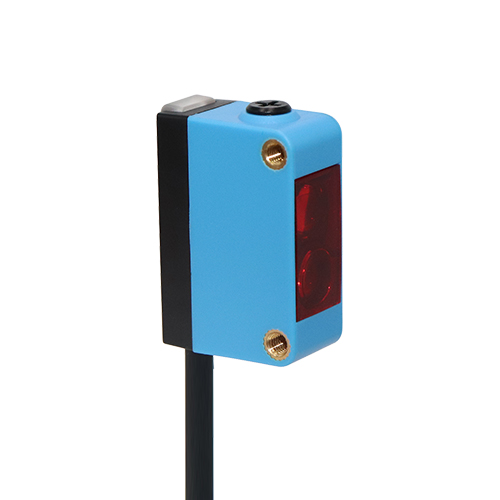
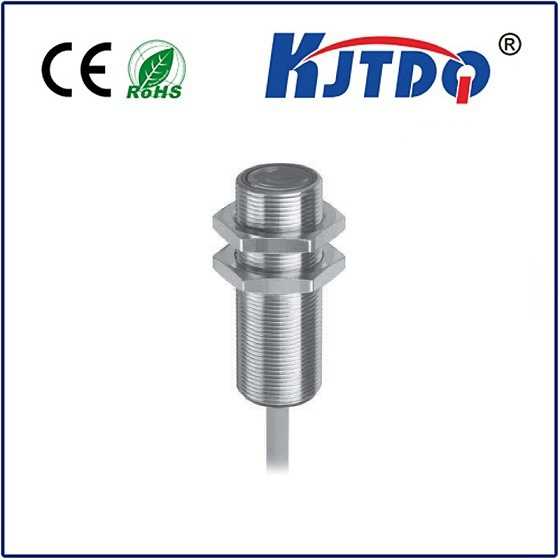
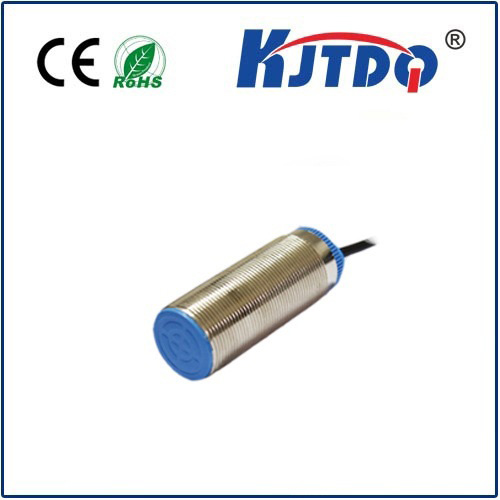
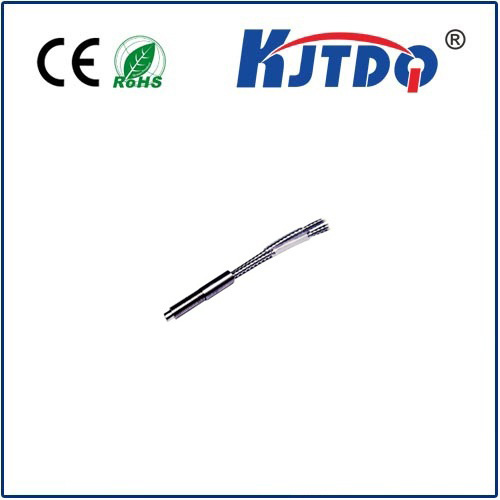
One key advantage of using LinuxCNC for limit switch management is its flexibility. The software supports a wide range of hardware, from simple mechanical switches to advanced proximity sensors. Users can customize the response to limit triggers, such as setting soft limits in software to complement the physical switches. Soft limits define virtual boundaries within the machine's coordinate system, providing an additional layer of protection. When a limit switch is activated, LinuxCNC can halt motion immediately, issue error messages, or initiate recovery procedures, minimizing downtime and preventing costly repairs.
Best practices for installing and maintaining limit switches with LinuxCNC include regular testing and calibration. Switches should be mounted securely to avoid false triggers from vibration or misalignment. Wiring must be shielded to reduce electrical noise, which can cause erratic behavior. In LinuxCNC, users can monitor switch status through the graphical interface, allowing for real-time diagnostics. Additionally, documenting the configuration and conducting periodic checks ensure long-term reliability. For DIY CNC builders or industrial users, leveraging LinuxCNC's community resources—such as forums and documentation—can provide valuable insights for troubleshooting and optimization.
Beyond safety, limit switches contribute to precision by enabling accurate homing. In LinuxCNC, the homing process uses limit switches to establish a reference point for each axis, ensuring consistent positioning. This is crucial for repeatable cuts and complex machining tasks. By integrating limit switches effectively, operators can achieve tighter tolerances and reduce material waste. The open-source nature of LinuxCNC also allows for continuous improvements, with updates often enhancing limit switch handling and integration capabilities.
In summary, LinuxCNC limit switches are essential components for safe and precise CNC machining. Their proper implementation not only safeguards machinery but also boosts efficiency and accuracy. Whether for hobbyist projects or professional applications, mastering this aspect of LinuxCNC can lead to smoother operations and better outcomes. As CNC technology evolves, the role of limit switches remains fundamental, and LinuxCNC provides the tools to harness their full potential.