In industrial environments where air curtains are employed to maintain temperature differentials, control contamination, and manage energy efficiency, the reliability of these systems hinges on a seemingly small but critically important component: the limit switch. Specifically designed for air curtain applications, an air curtain limit switch acts as a fundamental safety and control device, ensuring operational integrity and preventing potential equipment damage.
An air curtain, often mounted above doorways in warehouses, manufacturing plants, and commercial buildings, creates a powerful stream of air that acts as an invisible barrier. This barrier separates different environments, such as a cold warehouse from a warm loading dock, preventing the exchange of air, dust, insects, and contaminants. For such a system to function correctly, the movement of the air curtain's housing or doors—often used in retractable or operable models—must be precisely monitored and controlled. This is the primary role of the limit switch.
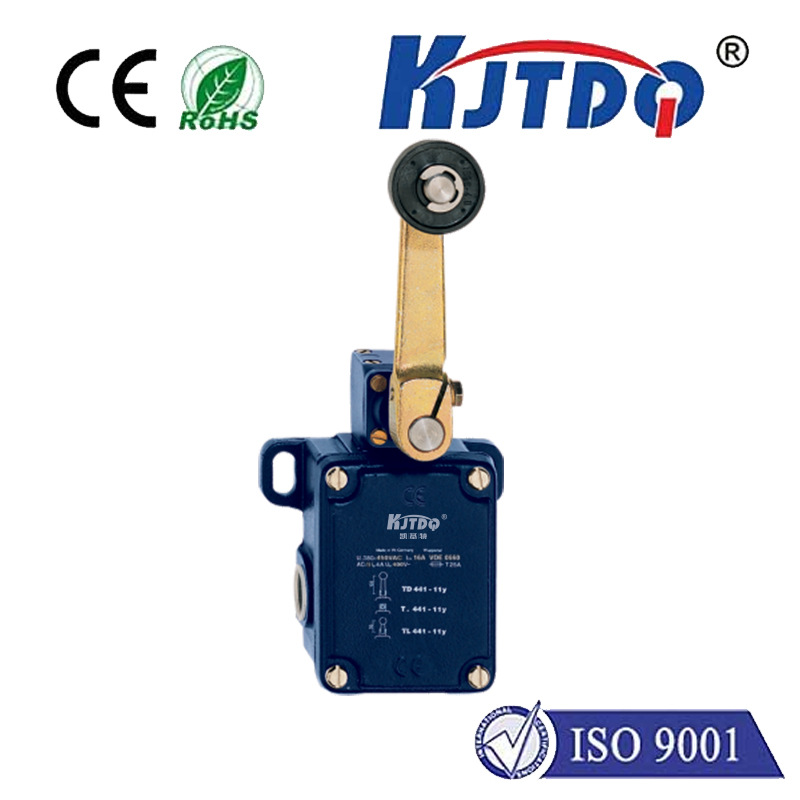
The air curtain limit switch is an electromechanical device installed at the endpoints of a moving component's travel path. Its core function is to detect when the air curtain's moving part, such as a rolling door or a sliding shutter, has reached its fully open or fully closed position. Upon reaching these predefined limits, the switch is actuated, sending an electrical signal to the control system. This signal immediately halts the motor drive, preventing over-travel. Over-travel can lead to mechanical strain, misalignment, damage to the curtain fabric or guides, and even motor burnout. By providing this crucial "stop" command, the limit switch protects the mechanical structure of the air curtain, extending its service life significantly.
Beyond basic safety, these switches enable automated control sequences. For instance, a system can be programmed to activate the air blower only after the limit switch confirms the door is fully open, optimizing energy use. Conversely, it ensures the blower is deactivated before the door begins to close. This precise coordination enhances overall system efficiency and safety for personnel and goods moving through the doorway.
When selecting an air curtain limit switch, several technical specifications are paramount. Durability is key, as these switches undergo countless actuation cycles in demanding conditions involving vibration, temperature fluctuations, and potential exposure to moisture or dust. Look for switches with robust housings, often rated IP65 or higher for ingress protection. The actuation method—whether roller lever, plunger, or whisker type—must be chosen based on the mechanical motion it needs to detect. Electrical ratings (voltage and current) must be compatible with the curtain's control circuit. Furthermore, precision and repeatability in actuation point are non-negotiable for consistent, reliable performance.
Installation and maintenance are straightforward but vital. The switch must be meticulously aligned and securely mounted so that the moving component engages it accurately at the exact end positions. Regular inspections should check for physical wear on the actuator, loose connections, and any signs of corrosion. A failing limit switch may cause the air curtain to jerk, stop prematurely, or attempt to drive beyond its limits, creating audible straining noises. Prompt replacement of a faulty switch is a simple, cost-effective measure that prevents far more expensive repairs down the line.
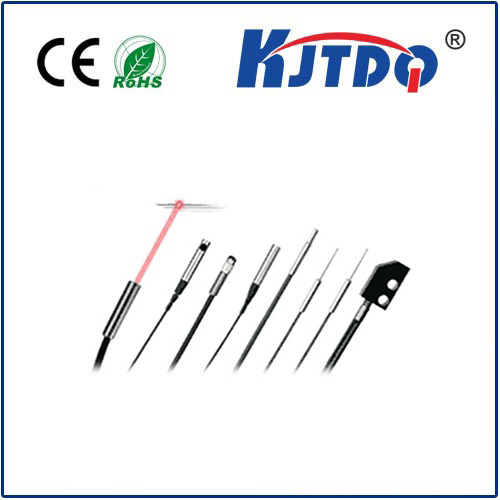
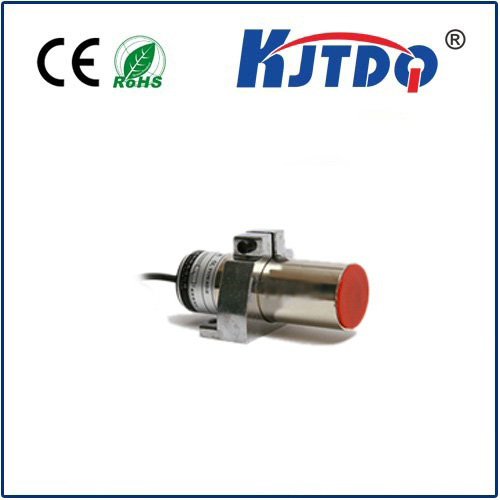
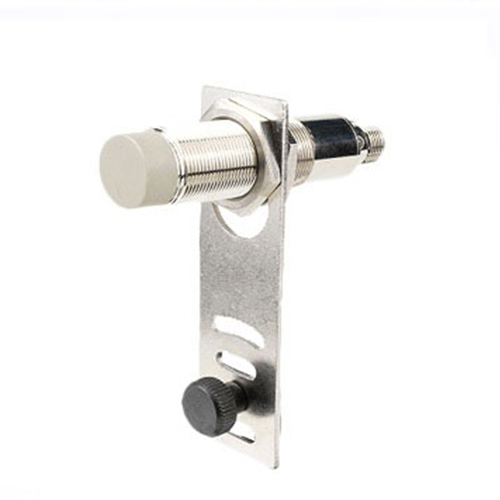
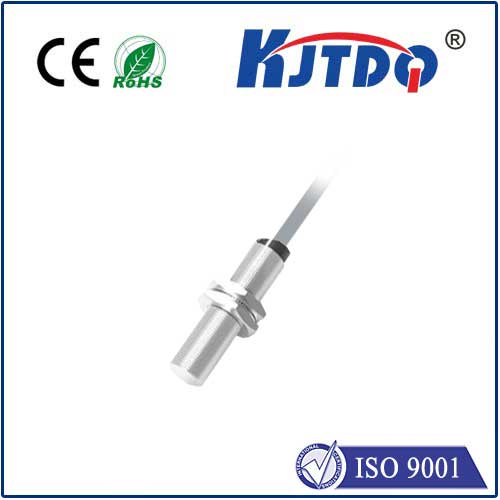
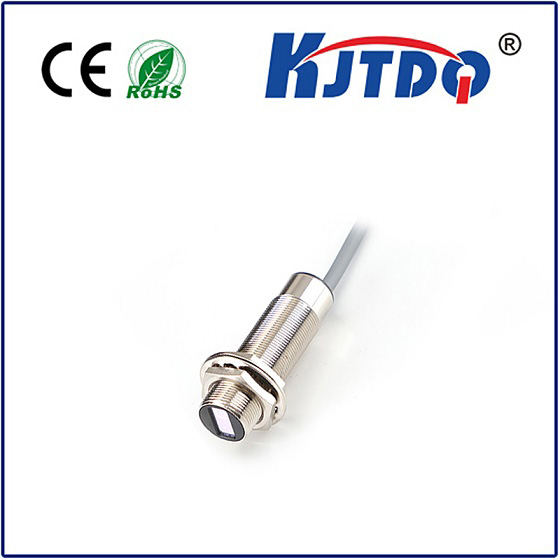
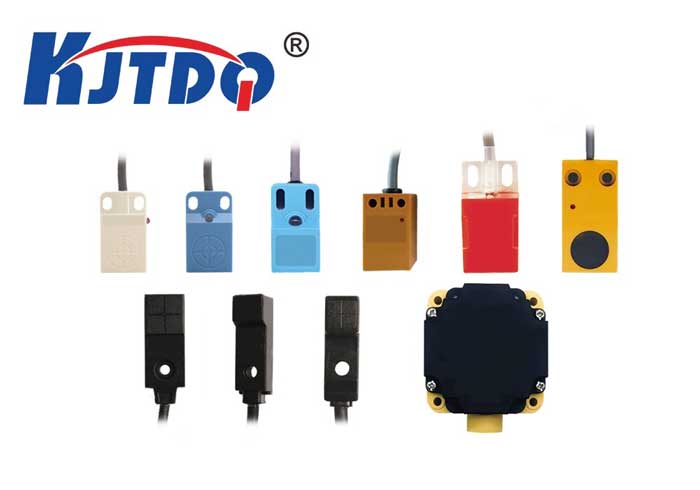
In modern installations, traditional mechanical limit switches are sometimes complemented or replaced by non-contact sensors, like magnetic proximity or inductive sensors. These "solid-state" alternatives offer benefits such as no moving parts to wear out and higher switching speeds. However, the classic electromechanical limit switch remains widely favored for its proven reliability, straightforward design, and inherent resistance to electrical noise in industrial settings. It provides a direct, physical confirmation of position that is easy to troubleshoot and understand.
For facility managers, maintenance engineers, and system integrators, understanding the function of the air curtain limit switch is essential. It is not merely an accessory but a vital safety interlock. Its proper operation ensures that the significant investment in an air curtain system pays off through years of trouble-free service, maintained energy savings, and controlled environmental separation. Specifying high-quality limit switches from reputable manufacturers and incorporating them into a routine preventive maintenance schedule is a best practice that safeguards both equipment and operational continuity.