Проверка
Проверка
Проверка
Проверка
Проверка
Проверка
In industrial automation and machinery safety, precision and reliability are non-negotiable. Among the myriad components that ensure seamless operations, the limit switch plays a pivotal role. Specifically, Sick limit switches have established themselves as a benchmark for quality, durability, and performance in demanding environments. This guide delves into the fundamentals, applications, and critical benefits of these devices, providing a comprehensive overview for engineers, maintenance professionals, and procurement specialists.
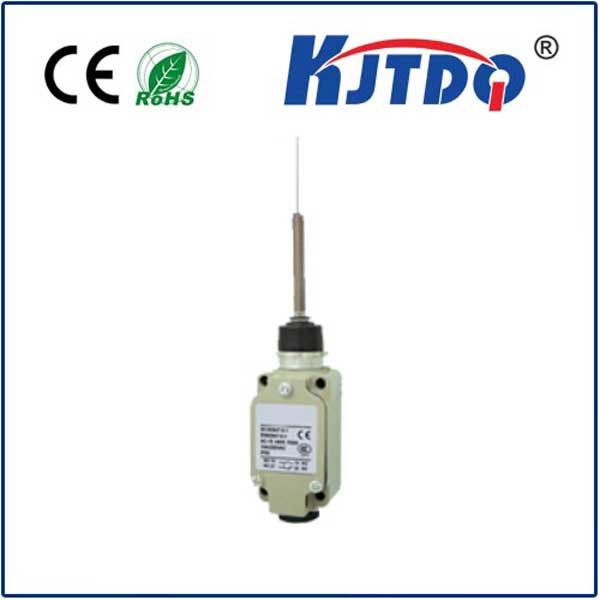
A limit switch is an electromechanical device designed to detect the presence or absence of an object, or to monitor the position of machinery parts. It operates by physically making or breaking an electrical contact when its actuator is triggered by a moving component. Sick, a global leader in sensor technology and industrial safety, manufactures limit switches renowned for their robust construction and high precision. These switches are engineered to withstand harsh conditions, including extreme temperatures, moisture, dust, and mechanical stress, making them indispensable in sectors like manufacturing, material handling, packaging, and automotive assembly.
The core functionality of a Sick limit switch lies in its ability to provide accurate positional feedback. For instance, in a conveyor system, it can signal when a product reaches a specific point, triggering the next phase of the process, such as sorting or packaging. In safety applications, it can prevent machinery from operating beyond its intended range, thereby avoiding collisions, jams, or potential injuries. The switches come in various designs, including rotary, plunger, and lever types, each suited for different actuation methods and force requirements. This versatility allows for customization based on specific operational needs.
One of the standout features of Sick limit switches is their enhanced durability. Built with high-grade materials like stainless steel or rugged plastics, they offer exceptional resistance to wear and tear. Many models are also equipped with protective seals, achieving high Ingress Protection (IP) ratings that guard against water and dust ingress. This longevity translates to reduced downtime and lower maintenance costs, as the switches require fewer replacements and can endure millions of operating cycles without failure. Additionally, their consistent performance ensures that machinery operates within safe parameters, contributing to overall plant safety and compliance with international standards such as ISO 13849.
Installation and integration of Sick limit switches are straightforward, thanks to their modular designs and compatibility with various control systems. They can be easily connected to Programmable Logic Controllers (PLCs) or other automation hardware, enabling real-time monitoring and control. For optimal performance, it is crucial to select the right switch type based on factors like actuation force, operating environment, and electrical specifications. Proper mounting and regular inspection are also recommended to maintain accuracy and prevent malfunctions. In case of issues, common troubleshooting steps include checking for physical obstructions, verifying electrical connections, and ensuring the actuator is correctly aligned.
Beyond basic functionality, advanced Sick limit switches incorporate features like diagnostic capabilities and connectivity options for Industry 4.0 applications. Some models offer integrated indicators for status monitoring or support for IO-Link communication, allowing for data exchange and remote configuration. This smart functionality enables predictive maintenance, where potential failures can be identified before they cause disruptions, further boosting operational efficiency. As industries increasingly adopt automation and digitalization, the role of reliable components like limit switches becomes even more critical in achieving seamless, interconnected systems.
In summary, Sick limit switches are more than just simple sensors; they are vital components that enhance both safety and productivity in industrial settings. Their robust design, precision, and adaptability make them a trusted choice for engineers worldwide. By ensuring accurate positional control and preventing equipment damage, they help minimize risks and optimize processes. Whether for a new installation or upgrading existing machinery, investing in high-quality limit switches from a reputable brand like Sick can lead to significant long-term benefits, including improved reliability, reduced costs, and enhanced workplace safety. As technology evolves, these devices continue to set the standard for performance in the ever-advancing field of industrial automation.