Проверка
Проверка
Проверка
Проверка
Проверка
Проверка
In the world of industrial automation, precision and reliability are non-negotiable. Among the myriad of components that ensure seamless operation, the limit switch stands as a fundamental pillar. Specifically, the RS series of limit switches has carved out a reputation for robustness and dependability in demanding environments. This guide delves into the core functionalities, applications, and critical selection criteria for the Limit Switch RS, providing essential insights for engineers and procurement specialists.
A limit switch, at its essence, is an electromechanical device that detects the presence or absence of an object, or monitors the limits of travel, converting this physical motion into an electrical control signal. The "RS" designation often refers to a specific series or model line characterized by particular features such as a robust housing, specific actuator types, or electrical ratings. These switches are the silent sentinels on production lines, machinery, and material handling systems, providing the essential feedback that controls sequences, prevents over-travel, and ensures operator safety.
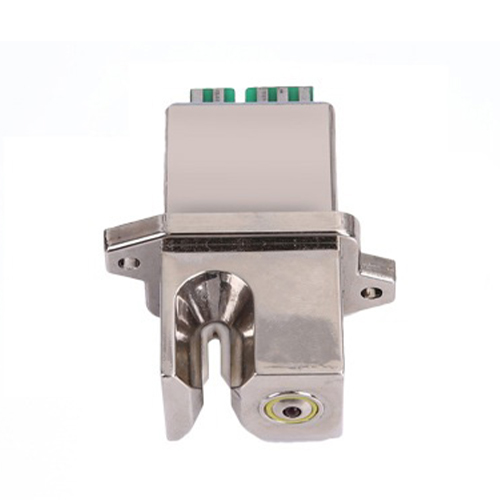
The construction of a typical Limit Switch RS is designed for longevity. It usually features a durable metal or high-grade polymer enclosure rated for IP67 or higher, offering protection against dust, oil, and water ingress. Inside, a precision snap-action mechanism ensures quick and positive contact operation, minimizing arcing and extending the switch's life. The actuator—the part that makes physical contact—can be a roller lever, plunger, or whisker type, each suited for different kinds of motion and force. The electrical contacts are rated for specific current and voltage loads, commonly for control circuit applications.
Where is the Limit Switch RS most effectively deployed? Its applications are vast. In automotive assembly plants, they verify the correct positioning of robotic arms. In packaging machinery, they confirm that a product is in place before sealing or labeling. On conveyor systems, they count objects and control sorting gates. In heavy-duty crane and hoist systems, RS series limit switches are crucial for providing end-of-travel safety stops, preventing catastrophic damage. Their reliability makes them indispensable in scenarios where failure could lead to significant downtime, product damage, or safety hazards.
Selecting the right Limit Switch RS requires careful consideration of several parameters. First, assess the environmental conditions: will the switch be exposed to extreme temperatures, corrosive chemicals, or heavy washdowns? The housing material and ingress protection (IP) rating must match these conditions. Next, consider the mechanical requirements: the actuator type must align with the direction and force of the target object's movement. Electrical specifications are equally critical; the switch's contact rating (e.g., 10A at 250VAC) must comfortably exceed the load of the control circuit it is interrupting. Finally, factors like operating speed, repeat accuracy, and required electrical connections (screw terminal, quick-connect) play a decisive role.
Modern advancements have also seen the integration of proximity sensors, but the electromechanical Limit Switch RS retains key advantages. It provides a direct, physical confirmation of position that is often immune to electrical noise or sensing field interference. It can also handle higher inrush currents typical of inductive loads like motor starters. For many applications, its simplicity, cost-effectiveness, and proven track record make it the preferred choice.
Installation and maintenance are straightforward but vital. Proper mounting ensures the actuator is engaged correctly without excessive force or misalignment. Regular inspection for physical damage, wear on the actuator arm, and testing of electrical continuity can prevent unplanned stoppages. Keeping the actuator and seal areas clean from debris buildup is a simple yet effective maintenance task.
In conclusion, the Limit Switch RS is more than just a component; it is a critical interface between the physical motion of machinery and the logic of the control system. Its design evolution continues to focus on enhanced durability, broader environmental suitability, and easier integration. For engineers designing a new system or maintaining an existing one, understanding the capabilities and specifications of the RS series limit switches is a key step toward achieving reliable, safe, and efficient automated operations. Choosing a quality-assured product from a reputable manufacturer ensures that this small device delivers on its big promise of unwavering control.