Проверка
Проверка
Проверка
Проверка
Проверка
Проверка
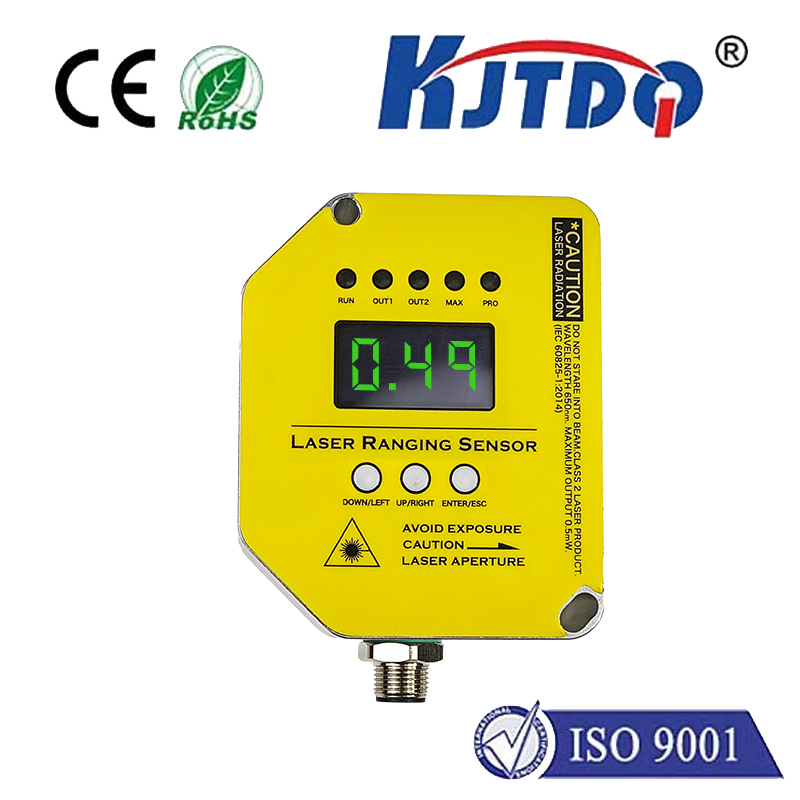
In today's fast-paced industrial and technological landscape, accuracy and efficiency are not just desirable—they are essential. The laser measure sensor module stands at the forefront of this demand, offering unparalleled precision in distance measurement and object detection. This compact yet powerful device utilizes laser technology to deliver reliable data, making it an indispensable tool across various sectors. From construction and architecture to robotics and automation, the applications are vast and transformative.
Unlike traditional measuring tools such as tape measures or ultrasonic sensors, laser measure sensor modules provide contactless operation with minimal error margins. They emit a laser beam towards a target, calculating the distance based on the time it takes for the light to reflect back. This time-of-flight (ToF) principle ensures measurements are both swift and accurate, often within millimeters. Modern modules come equipped with advanced features like digital interfaces, environmental compensation, and integration capabilities with microcontrollers or IoT systems. This allows for seamless data transfer and real-time analysis, enhancing workflow automation.
One of the key advantages of the laser measure sensor module is its versatility. In smart manufacturing, these modules enable precise positioning of components on assembly lines, reducing waste and improving product quality. In logistics, they assist in warehouse automation by accurately measuring parcel dimensions for optimal storage and shipping. Even in consumer electronics, they are integrated into devices like smartphones for augmented reality applications or home improvement tools for DIY projects. The durability and low power consumption of these modules further add to their appeal, ensuring long-term performance in demanding conditions.
However, selecting the right laser measure sensor module requires careful consideration. Factors such as measurement range, accuracy, response time, and environmental resilience (e.g., performance in varying light or weather conditions) play a crucial role. For instance, outdoor applications may need modules with higher laser power or protective coatings, while indoor uses might prioritize compact size and energy efficiency. Additionally, compatibility with existing software and hardware systems is vital to avoid integration hurdles. Leading manufacturers now offer customizable solutions, allowing users to tailor specifications to their specific needs.
Looking ahead, the future of laser measure sensor modules is bright, driven by innovations in miniaturization and AI integration. As industries continue to embrace automation and data-driven decision-making, these modules will become even more sophisticated, offering enhanced functionalities like 3D scanning and predictive analytics. By investing in this technology, businesses can not only boost operational efficiency but also gain a competitive edge in an increasingly digital world. Whether you are an engineer, a project manager, or a tech enthusiast, understanding and leveraging laser measure sensor modules is a step toward smarter, more precise operations.