In the world of construction, manufacturing, and engineering, achieving perfect alignment and leveling is not just a goal—it's a fundamental requirement. This is where the laser level sensor emerges as an indispensable tool, transforming complex tasks into streamlined, accurate processes. Unlike traditional spirit levels or manual measurement techniques, a laser level sensor projects a highly visible beam of light onto a surface, creating a precise reference line or point. This technology has revolutionized how professionals approach projects that demand exactitude, from laying foundations and installing cabinetry to aligning machinery on a factory floor.
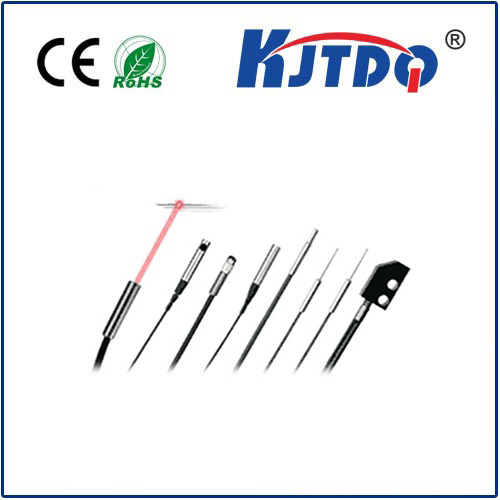
The core principle behind a laser level sensor is elegantly simple yet profoundly effective. It utilizes a laser diode to emit a concentrated beam of light. This beam is then passed through a series of lenses or prisms to create a straight line, a cross-line, or even a 360-degree plane, depending on the sensor's design. Modern sensors often incorporate self-leveling mechanisms, using pendulums or electronic servos to ensure the beam is perfectly level or plumb within a specified range, automatically compensating for minor surface irregularities. For applications requiring even greater precision, rotary laser levels spin the beam at high speed to generate a complete reference plane around a room or worksite.
The applications for laser level sensors are vast and varied. In residential and commercial construction, they are used for installing drop ceilings, aligning tiles, and ensuring window and door frames are perfectly square. Surveyors rely on them for establishing grade and elevation over long distances. In industrial settings, these sensors are critical for aligning conveyor belts, calibrating robotic arms, and ensuring large equipment is installed on a perfectly level plane to prevent undue wear and operational issues. The advent of green laser beams, which are more visible to the human eye than traditional red lasers, has further expanded their usability in bright indoor and outdoor conditions.
Choosing the right laser level sensor depends heavily on the specific task at hand. Key factors to consider include accuracy, typically measured in fractions of an inch or millimeter over a certain distance; range, or how far the beam remains visible and accurate; the type of laser line (point, line, cross-line, or rotary); and durability features like water and dust resistance for harsh job sites. Battery life and additional functionalities, such as Bluetooth connectivity for remote control via a smartphone app, are also becoming important differentiators. For simple DIY tasks like hanging pictures, a basic point-and-line model suffices, while large-scale commercial projects may demand a high-end rotary laser with a remote detector for outdoor use over hundreds of feet.
The benefits of integrating a laser level sensor into any precision workflow are undeniable. The most significant advantage is the dramatic increase in accuracy, which reduces material waste from errors and ensures structural integrity. It also leads to substantial time savings; what might take hours with manual tools can be accomplished in minutes with a laser, boosting overall productivity and reducing labor costs. Furthermore, the clear visual reference provided by the laser beam minimizes guesswork and improves communication among team members, leading to fewer mistakes and a higher quality finished product.
Looking ahead, the future of laser level sensor technology is pointed toward even greater integration and intelligence. We are already seeing the convergence of laser levels with digital cameras and sensors to capture spatial data, creating as-built drawings or verifying installations against digital blueprints. Integration with Building Information Modeling (BIM) systems is on the horizon, where the laser sensor will not only project a line but also receive real-time data from a project model. As the demand for precision, efficiency, and data-driven project management grows across all industries, the laser level sensor will continue to evolve from a standalone tool into a central node in a connected ecosystem of smart construction and manufacturing technology.