In the rapidly evolving landscape of industrial automation, the photoelectric switch sensor stands as a cornerstone technology, enabling precise, non-contact detection across countless applications. Unlike mechanical limit switches, these sensors use light beams to detect the presence, absence, or distance of an object, offering unparalleled reliability and longevity. The core principle involves an emitter that projects a light beam—often infrared, visible red, or laser—and a receiver that captures this light. When an object interrupts or reflects this beam, the sensor triggers a switching action, sending a signal to a control system like a PLC.
The advantages of integrating photoelectric sensors into automated systems are substantial. Their non-contact nature eliminates mechanical wear and tear, leading to significantly reduced maintenance costs and downtime. They boast high switching speeds, capable of detecting objects at rates far exceeding human or mechanical capabilities, which is crucial for high-speed packaging, sorting, and assembly lines. Furthermore, they are versatile in sensing a wide range of materials, including glass, metal, plastic, and liquids, provided the object affects the light beam. Their ability to function over relatively long distances, from a few centimeters to several meters, adds to their flexibility in system design.
Several key types cater to different operational needs. Through-beam sensors, with separate emitter and receiver units, offer the longest sensing range and highest reliability, ideal for precise object detection on conveyor belts. Retro-reflective sensors use a reflector to bounce the beam back to a combined emitter/receiver unit, providing a good balance of range and ease of installation. Diffuse reflective sensors, the most common type, detect objects by measuring the light reflected directly from the target itself, making them perfect for applications where mounting a separate receiver or reflector is impractical, such as detecting label presence on bottles.
For complex tasks, specialized variants like background suppression sensors and color contrast sensors provide solutions. Background suppression sensors can accurately detect an object at a precise distance, ignoring any background beyond the set range, which is vital in robotic picking operations. Color contrast sensors differentiate between colors or contrast levels, ensuring correct labeling or material sorting in quality control processes.
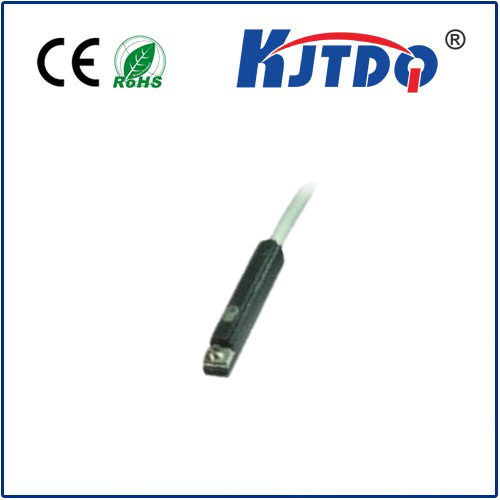
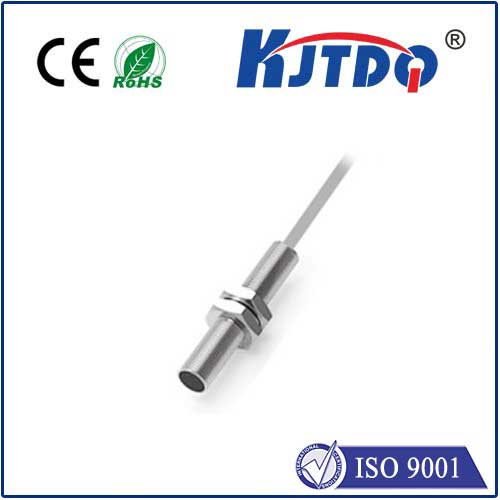
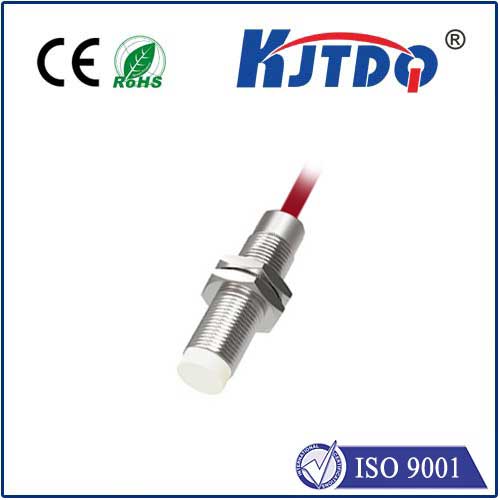
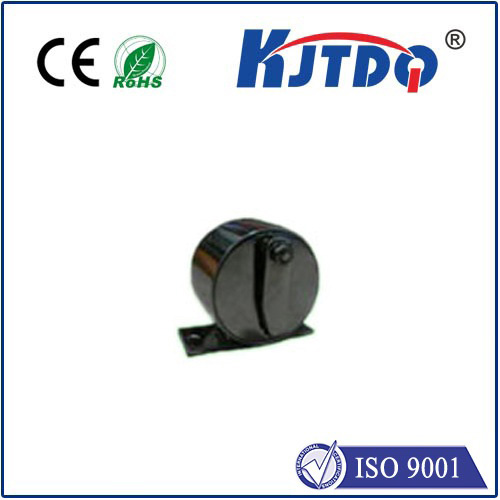
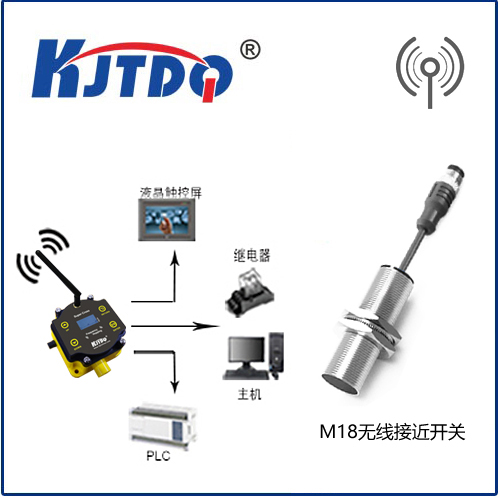
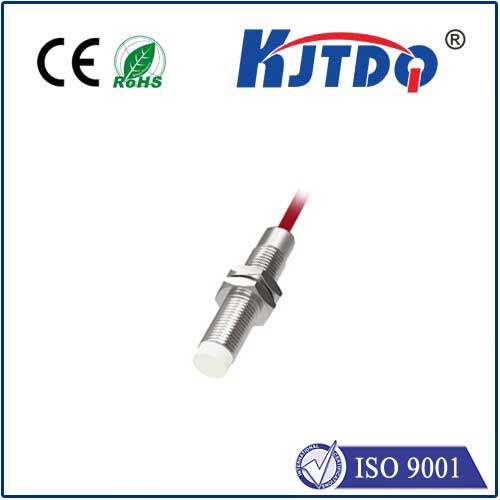
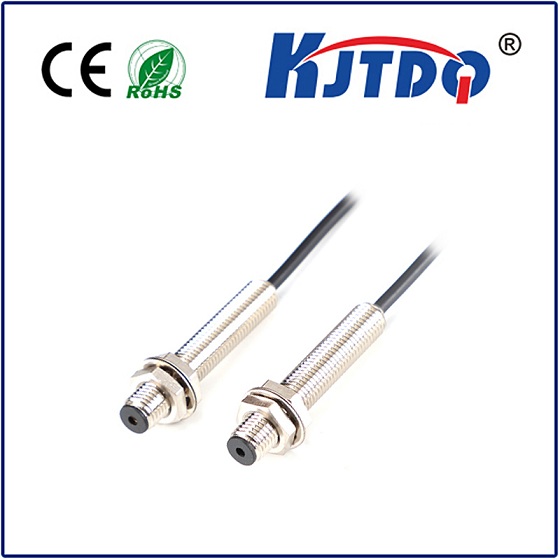
The integration of the KJTDQ series photoelectric switch sensors represents a significant leap forward. Engineered for robustness in harsh industrial environments, the KJTDQ series features enhanced ingress protection ratings against dust and water, wider operating temperature ranges, and superior resistance to electrical noise. These sensors often incorporate advanced diagnostics, such as stable operation indicators and teach-in functionality for easy setup, reducing commissioning time. Their consistent performance under challenging conditions—from food and beverage processing to automotive manufacturing—ensures uninterrupted production flow and data integrity.
When selecting a photoelectric sensor, engineers must consider several factors: the required sensing range, the size and material of the target object, the environmental conditions (presence of dust, moisture, or ambient light), and the required output type (PNP/NPN). Proper installation is equally critical; ensuring the sensor is correctly aligned, free from vibrational interference, and protected from optical crosstalk from other light sources guarantees optimal performance.
In conclusion, the photoelectric switch sensor is an indispensable component in modern automation, driving efficiency, safety, and precision. The evolution of product lines like the KJTDQ series, with their enhanced durability and smart features, continues to push the boundaries of what's possible in factory automation, logistics, and beyond. By providing reliable, non-contact detection, these sensors form the essential sensory layer that allows automated systems to perceive and interact with their environment intelligently and effectively.