Проверка
Проверка
Проверка
Проверка
Проверка
Проверка
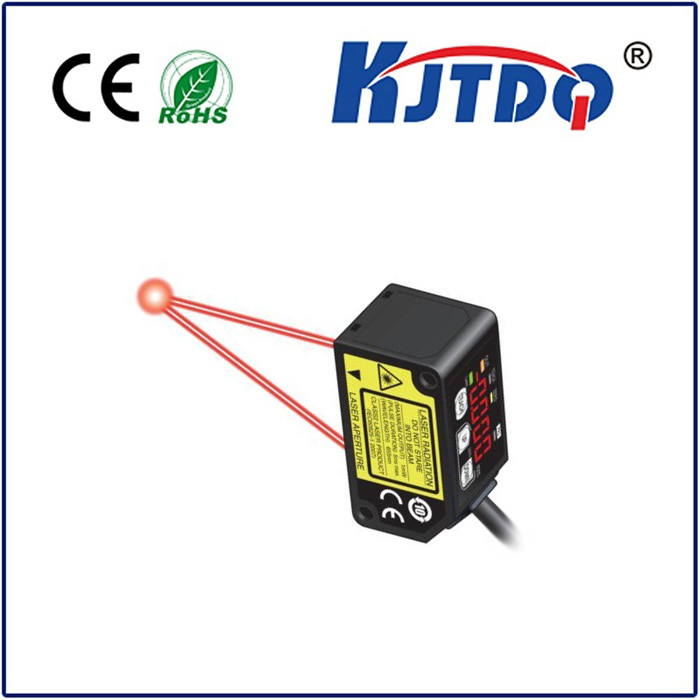
In the rapidly evolving world of digital printing, sublimation technology has carved out a significant niche, renowned for its ability to produce vibrant, durable, and high-resolution prints on a variety of substrates. At the heart of ensuring the flawless operation of a modern sublimation printer lies a critical, yet often overlooked component: the photoelectric sensor. This sophisticated device is fundamental to maintaining print quality, preventing errors, and optimizing the entire printing workflow. Unlike mechanical sensors, photoelectric sensors operate by emitting a light beam—typically infrared, visible red, or laser—and detecting changes in the received light. In the context of a sublimation printer, this technology is primarily deployed for precise media detection and accurate print head positioning.
The primary function of a photoelectric sensor in a sublimation printer is media presence and edge detection. As the transfer paper or fabric is fed through the printer, the sensor continuously monitors its position. It detects the leading and trailing edges of the media with exceptional accuracy. This is crucial because any misalignment or skew can lead to disastrous results, such as blurred images, color banding, or complete print misregistration. By providing real-time feedback to the printer's control system, the sensor ensures that the print head begins and ends its pass at the exact correct moment, guaranteeing that ink is deposited precisely where intended on the substrate. This level of precision is non-negotiable for high-value commercial printing where every millimeter counts.
Furthermore, these sensors play a vital role in preventing paper jams and media collisions. A sublimation printer operates at high speeds, and a misfeed can cause costly downtime and potentially damage the print head or internal mechanisms. The photoelectric sensor acts as a vigilant sentinel. If the media fails to arrive at the expected sensor point within a specific timeframe, or if multiple sheets are detected (due to light beam blockage variations), the sensor immediately signals the controller to halt operations. This proactive error prevention safeguards expensive hardware and prevents the waste of valuable ink and substrate materials, directly impacting the bottom line for print shops.
Another advanced application is in the calibration and maintenance of the print gap—the distance between the print head and the media. Some high-end sublimation printers utilize arrays of photoelectric sensors to map the media surface in three dimensions. This allows the printer to dynamically adjust the print head height, accommodating varying thicknesses of materials, from thin polyester sheets to padded textiles. Consistent print gap maintenance is essential for achieving uniform ink droplet placement and optimal color saturation, which are hallmarks of professional sublimation output. Without this sensor-driven adjustment, print quality would suffer significantly on uneven or thick materials.
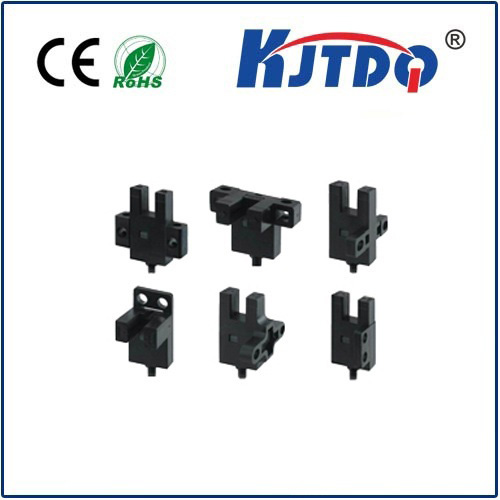
The choice of photoelectric sensor type is also tailored to the sublimation environment. Diffuse reflective sensors are common for detecting the presence of media, bouncing light off the substrate's surface. Through-beam sensors, where the emitter and receiver are separate units, offer the highest reliability for precise edge detection, as they are less affected by the color or reflectivity of the material. Manufacturers carefully select sensors with appropriate sensing ranges, response times, and environmental resistance to withstand potential exposure to heat and airborne particles within the printer.
In essence, the integration of a robust and precise photoelectric sensor system transforms a sublimation printer from a simple output device into a reliable, high-performance industrial tool. It is the unseen guardian of quality control, ensuring that every print job meets exact specifications without manual intervention. For businesses investing in sublimation technology, understanding the importance of this component is key. A printer equipped with a superior photoelectric sensing system minimizes waste, reduces operational costs, and delivers consistently exceptional print results, thereby enhancing customer satisfaction and strengthening competitive advantage in a demanding market. The reliability of the entire printing process hinges on the silent, accurate feedback provided by these optical sentinels.