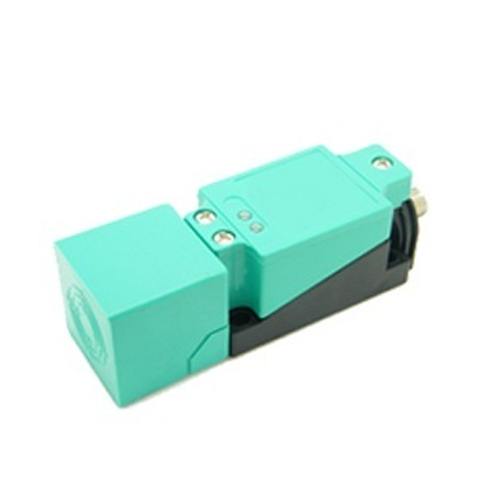
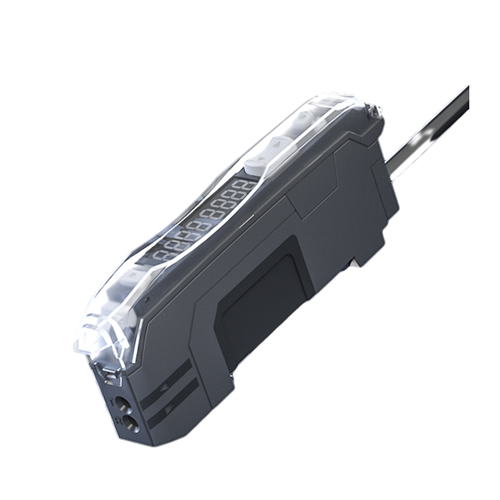
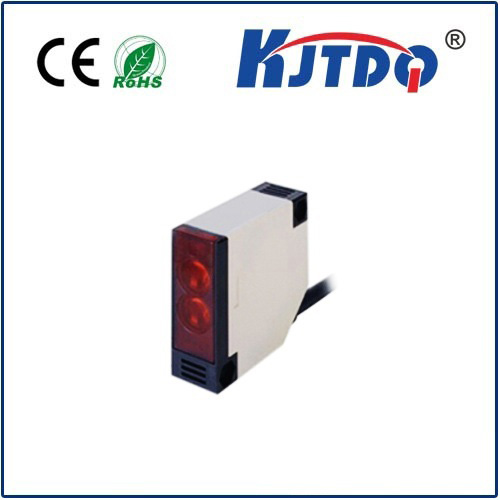
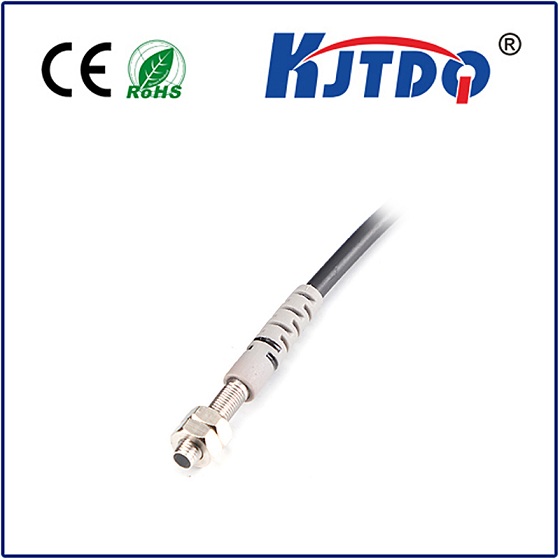
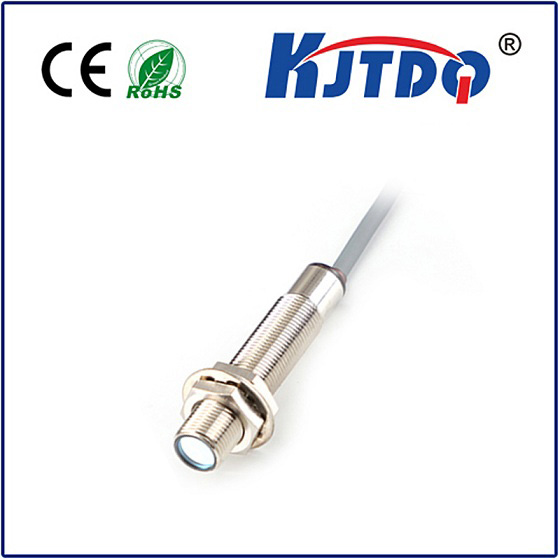
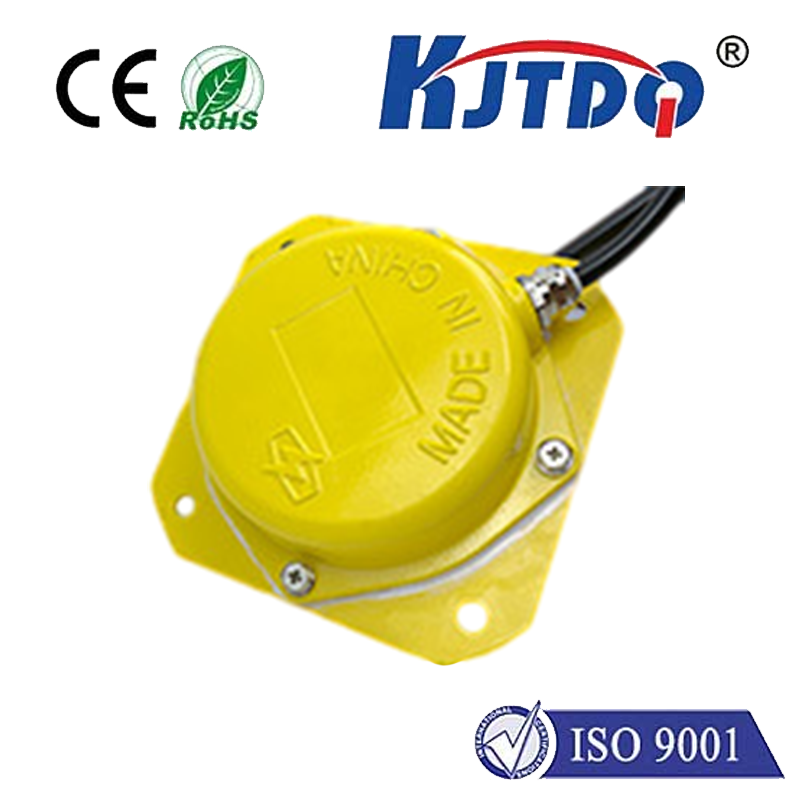
In the realm of industrial automation, the quest for reliable and precise object detection is perpetual. Among the array of sensing technologies available, mirror reflection photoelectric sensors have carved out a critical niche, offering unique solutions for challenging applications. The KJTDQ series of these sensors exemplifies this advancement, providing engineers and system integrators with a robust tool to optimize their operations.
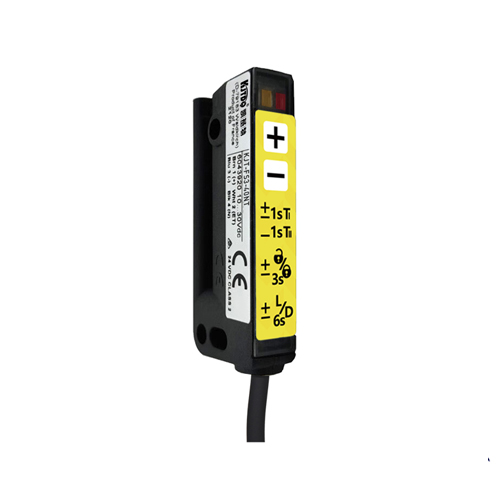
A mirror reflection photoelectric sensor, often called a retro-reflective sensor, operates by emitting a light beam towards a specialized reflector—a corner-cube or triple mirror. This reflector is designed to return the light beam directly to its source along the same path, regardless of its orientation. The sensor's receiver detects this returned light. When an object interrupts this beam, the sensor triggers a signal. The KJTDQ models enhance this fundamental principle with superior optical design and signal processing, ensuring stable detection even in environments with ambient light interference or on objects with varying surface properties.
The core advantage of the KJTDQ mirror reflection sensor lies in its simplified installation and alignment compared to through-beam systems. While through-beam sensors require precise alignment of separate emitter and receiver units, the KJTDQ sensor only requires a single unit to be pointed at the reflector. This drastically reduces setup time and complexity, especially over longer distances. The use of a polarized filter in many KJTDQ models is a key differentiator. This filter allows the sensor to distinguish between the genuine, polarized light returned from its dedicated reflector and random, non-polarized reflections from shiny objects like metal or plastic packaging that might otherwise cause false triggers. This makes the KJTDQ series exceptionally reliable in packaging, material handling, and automotive assembly lines.
Furthermore, the KJTDQ sensors are engineered for resilience. They typically feature rugged housings with high Ingress Protection (IP) ratings, safeguarding them against dust, moisture, and mechanical impacts common in industrial settings. Their advanced circuitry includes features like background suppression logic and adjustable sensitivity, allowing fine-tuning to ignore irrelevant background objects and focus solely on the target detection zone. This precision is invaluable in applications such as conveyor belt gap detection, palletizing, and robotic arm positioning, where accuracy directly impacts efficiency and safety.
Consider a bottling plant where transparent or translucent bottles move at high speed. A standard diffuse sensor might struggle with inconsistent readings due to the bottles' varying light transmission. A KJTDQ mirror reflection sensor, paired with a reflector on the opposite side, provides a consistent beam-based detection method, reliably counting every bottle regardless of its clarity or liquid content. Similarly, in warehouse logistics, these sensors can accurately detect the presence of goods on high-bay storage retrieval systems, ensuring automated cranes operate correctly and safely.
The integration of KJTDQ sensors into a networked automation environment is straightforward. With standard output options (NPN/PNP, NO/NC) and compatibility with Programmable Logic Controllers (PLCs), they form a seamless link in the data chain of Industry 4.0. Their reliability reduces maintenance downtime and prevents costly errors caused by false readings or missed detections.
In conclusion, the evolution of photoelectric sensing is marked by solutions that deliver both simplicity and sophistication. The KJTDQ mirror reflection photoelectric sensor stands as a testament to this progress. By offering a perfect blend of easy installation, high immunity to optical noise, and environmental durability, it addresses the core needs of modern automation. For system designers seeking to enhance precision, reliability, and operational uptime, incorporating KJTDQ mirror reflection sensors is a strategic step toward building more intelligent and resilient industrial systems.