Проверка
Проверка
Проверка
Проверка
Проверка
Проверка
In today's rapidly evolving industrial landscape, the demand for robust and reliable sensing technology is paramount. Among the various solutions available, waterproof photoelectric sensors have emerged as a critical component for ensuring continuous operation in challenging environments. These devices utilize light beams to detect the presence, absence, or distance of objects, and their waterproof design makes them indispensable for applications exposed to moisture, dust, and harsh weather conditions.
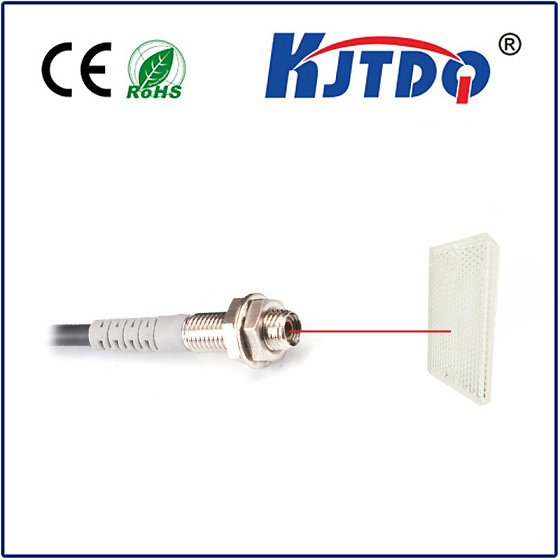
The core principle of a photoelectric sensor involves emitting a light beam from a transmitter. When this beam is interrupted or reflected by a target object, a receiver detects the change, triggering an output signal. The waterproof feature is achieved through specialized housing materials, sealed connectors, and ingress protection ratings, typically IP67 or higher. This construction prevents water, oils, and other liquids from penetrating the internal electronics, thereby preventing malfunctions and extending the sensor's operational lifespan.
Industries such as food and beverage processing, automotive manufacturing, and outdoor material handling heavily rely on these sensors. On a bottling line, for instance, waterproof photoelectric sensors accurately detect bottles on a conveyor belt, even when subjected to frequent washdowns with high-pressure water and cleaning chemicals. In automotive assembly plants, they ensure precise positioning of components in environments where coolants and oils are present. Their application extends to agricultural machinery, wastewater treatment facilities, and maritime equipment, where exposure to the elements is constant.
The advantages of implementing waterproof photoelectric sensors are significant. They offer high precision and non-contact detection, which minimizes wear and tear. Their immunity to environmental contaminants reduces downtime for maintenance and replacement, leading to lower total cost of ownership. Furthermore, modern versions come with advanced features like adjustable sensing ranges, background suppression to ignore irrelevant objects, and connectivity options for Industry 4.0 integration. This allows for smarter automation systems that can monitor their own performance and predict maintenance needs.
Selecting the right sensor requires careful consideration of several factors. The specific IP rating needed depends on the level of water exposure, such as splashing, jets, or temporary immersion. The sensing mode—diffuse, retro-reflective, or through-beam—must match the application's requirements for range and target characteristics. The housing material, often stainless steel or rugged polymers, should be compatible with the environmental conditions, including potential chemical exposure. Consulting with technical specialists during the design phase can ensure optimal sensor selection and placement.
Installation and maintenance, while simplified by the durable design, still require attention to detail. Ensuring proper alignment of the light beam is crucial for reliable operation. Regular cleaning of the lens surface from grime or residue, even on waterproof models, maintains optimal sensitivity. Most high-quality sensors are designed for easy integration into control systems, supporting various output types like NPN, PNP, or analog signals.
As industrial processes become more automated and demanding, the role of waterproof photoelectric sensors will only grow. They provide the essential link between the physical movement of materials and the digital control system, enabling efficiency, safety, and quality control. By investing in these resilient sensing solutions, businesses can build more reliable production lines capable of operating in diverse and demanding conditions, ultimately protecting their assets and boosting productivity.