Проверка
Проверка
Проверка
Проверка
Проверка
Проверка
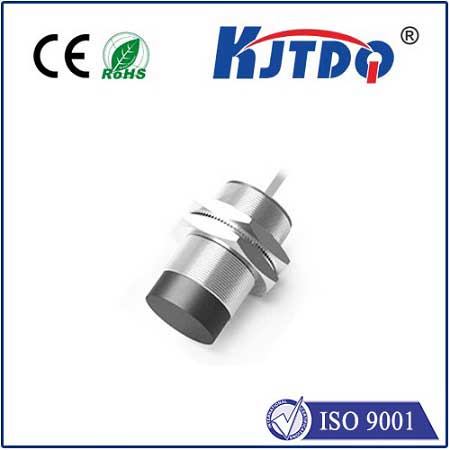
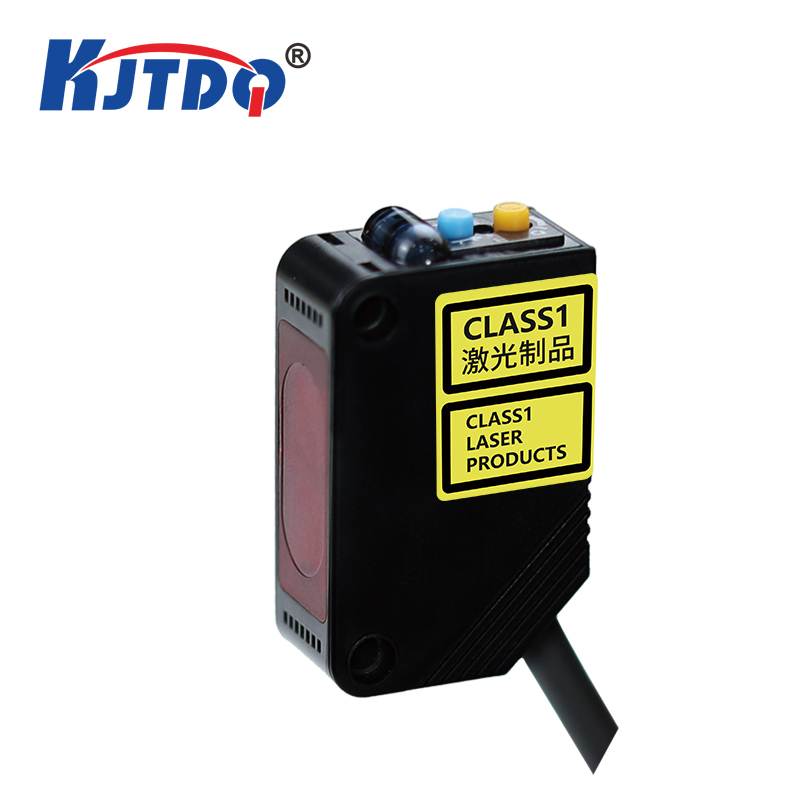
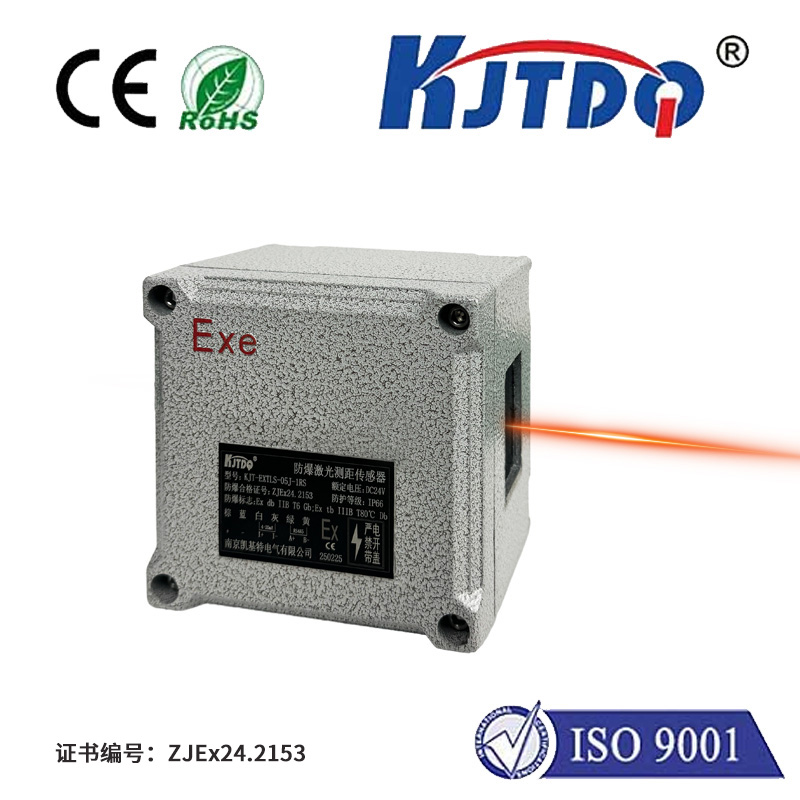
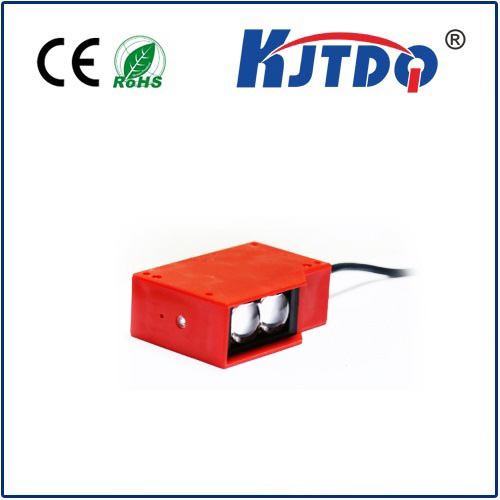
In the rapidly evolving landscape of industrial automation and smart product design, one component stands out for its critical role in enabling precision, safety, and efficiency: the reflection photoelectric switch sensor. This sophisticated device, often simply called a reflective photoelectric sensor, has become a cornerstone technology, seamlessly integrating into countless applications from manufacturing lines to consumer electronics. Unlike through-beam sensors that require separate emitter and receiver units, the reflection photoelectric switch combines both elements into a single, compact housing. It operates on a straightforward yet brilliant principle: it emits a beam of light—typically infrared, red, or laser—towards a target. When this light beam hits the target, it is reflected back to the sensor's receiver. The onboard electronics then detect this returned light, triggering a switch signal that can start, stop, or modify a process.
The versatility of these sensors is truly remarkable. In packaging machinery, they ensure boxes are correctly positioned for labeling. On assembly lines, they count products as they pass by at high speeds. Within automated guided vehicles (AGVs), they serve as non-contact obstacle detection systems, preventing collisions. Even in everyday products like automatic soap dispensers or paper towel machines, a miniature reflection photoelectric sensor is the unseen hero, detecting the presence of a hand and activating the mechanism. This non-contact method of detection offers significant advantages over mechanical switches. It eliminates physical wear and tear, leading to vastly improved longevity and reduced maintenance costs. Furthermore, it allows for the detection of fragile, small, or irregularly shaped objects that could be damaged or missed by a physical probe.
When selecting a reflection photoelectric switch sensor for a product, several key specifications demand attention. The sensing range is paramount; it defines the maximum distance at which the sensor can reliably detect a standard target. The type of light source influences performance—infrared offers resistance to ambient light interference, while red light is visible for easier alignment. Laser models provide extremely precise detection for minute objects. The output configuration, whether NPN or PNP, must be compatible with the control system's PLC. Environmental robustness is another critical factor. Modern sensors are built with IP67 or higher ratings, making them resistant to dust, water sprays, and vibrations commonly found in industrial settings. This durability ensures consistent operation even in challenging conditions, guaranteeing product reliability.
The integration of these sensors is a driving force behind the Internet of Things (IoT) and Industry 4.0. By providing real-time, digital data on object presence, position, and count, reflection photoelectric switches feed vital information into central control systems. This data enables predictive maintenance, where the system can alert operators to potential issues before they cause downtime, and facilitates flexible, data-driven manufacturing processes. For product designers, this means the ability to create smarter, more responsive, and more autonomous machines. The miniaturization of components has also opened doors for their use in compact consumer devices, enhancing user experience through intuitive, touch-free interaction.
Looking ahead, the future of reflection photoelectric sensor technology is geared towards even greater intelligence and integration. We are seeing the emergence of sensors with built-in IO-Link communication, which allows for parameter setting, condition monitoring, and advanced diagnostics directly from the controller. Advances in background suppression technology enable sensors to ignore objects beyond a set distance, focusing only on the target, which is crucial in cluttered environments. For product developers and automation engineers, mastering the application of these sensors is no longer optional; it is essential for building competitive, efficient, and innovative products. By providing a reliable bridge between the physical and digital worlds, the humble reflection photoelectric switch sensor continues to be a fundamental enabler of progress, quietly powering the automated and intelligent products that define our modern world.