Проверка
Проверка
Проверка
Проверка
Проверка
Проверка
In the realm of industrial automation and process control, the reliability of every component is paramount. Among these, the photoelectric sensor stands as a silent sentinel, a critical device for non-contact detection, positioning, and counting. However, not all sensors are created equal. The distinction between a generic component and a new, original, and authentic photoelectric sensor is the difference between consistent operation and costly downtime. This guide delves into the core of what makes an authentic photoelectric sensor indispensable for modern applications.
At its heart, a photoelectric sensor operates on a simple principle: it emits a light beam (visible red, infrared, or laser) and detects changes in the received light intensity. These changes are triggered by the presence or absence of a target object. The technology is elegantly straightforward, yet its execution demands precision engineering. An authentic sensor from a reputable manufacturer ensures this precision is baked into every unit. It guarantees exact wavelength specifications, stable output power, and a receiver tuned for optimal sensitivity and noise immunity. This translates to unwavering accuracy in detecting objects of varying colors, materials, and surface finishes—a challenge where inferior copies often fail.
Why does "new, original, and authentic" matter so much? The answer lies in performance integrity and total cost of ownership. A new, original photoelectric sensor is backed by rigorous research, development, and quality control. It is built with graded electronic components that ensure long-term stability under harsh conditions—be it extreme temperatures, vibration, or exposure to dust and moisture. Authentic sensors come with certified specifications for sensing range, response time, and environmental protection ratings (like IP67). Using a non-original or counterfeit sensor risks specification drift. The stated 10-meter range might effectively be 7 meters; the promised immunity to ambient light might be compromised, leading to false triggers. These inconsistencies are recipes for production errors, machine jams, and defective batches.
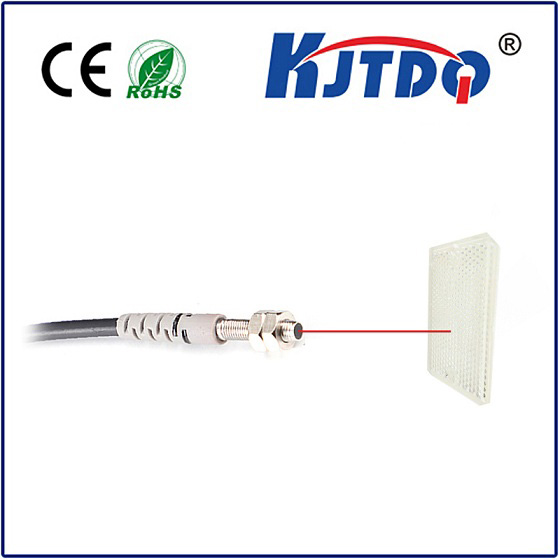
Furthermore, the selection of the right type of photoelectric sensor is crucial and is best guided by authentic product data. The three primary modes—through-beam, retro-reflective, and diffuse-reflective—each serve distinct purposes. Through-beam sensors, with separate emitter and receiver units, offer the longest range and highest reliability for clear object interruption. Retro-reflective types use a reflector and are excellent for detecting objects that break the beam. Diffuse-reflective sensors detect light reflected directly from the target, ideal for sensing at shorter ranges without a separate reflector. An authentic supplier provides clear, accurate documentation to help engineers select the correct model, ensuring the sensor integrates seamlessly into the system's logic, whether it requires a light-on or dark-on operation mode.
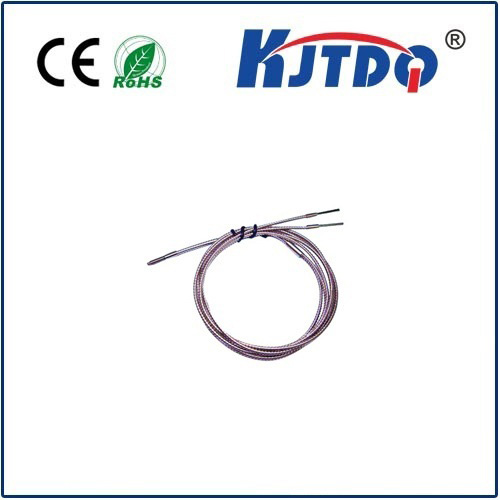
Beyond basic detection, modern original photoelectric sensors incorporate advanced features that drive efficiency. These include background suppression technology, which allows precise detection of an object independent of its color or reflectivity by measuring the angle of reflected light, and fiber optic units for sensing in extremely tight or hot spaces. Authentic sensors also feature robust housing designs, reliable electrical connections, and clear status indicators. They are designed for easy installation, alignment, and maintenance, reducing setup time and labor costs. The investment in an authentic device pays dividends through reduced warranty claims, minimal unscheduled maintenance, and extended service life.
In today's interconnected industry landscape, the value of genuine parts extends beyond the physical unit. It encompasses access to accurate technical support, reliable warranty services, and a secure supply chain. Procuring new, original authentic photoelectric sensors from authorized distributors ensures you receive the latest product iterations with all firmware updates and design improvements. It protects your operations from the risks associated with recycled, remarked, or counterfeit components that can jeopardize entire production lines and compromise safety standards.
Ultimately, specifying a new, original, and authentic photoelectric sensor is not merely a purchasing decision; it is a strategic commitment to quality, reliability, and operational excellence. It is the assurance that the fundamental task of object detection—a function upon which so much automated logic depends—is performed flawlessly, day in and day out. For system integrators, plant managers, and design engineers, opting for authenticity is the most effective way to safeguard productivity, enhance system uptime, and ensure the smooth, predictable operation of automated processes. The initial cost is invariably outweighed by the long-term benefits of precision, durability, and peace of mind.