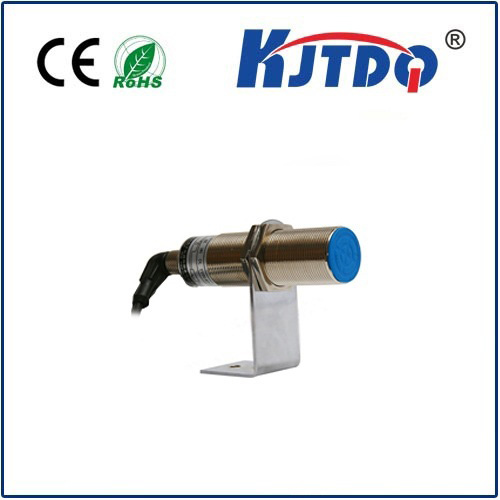
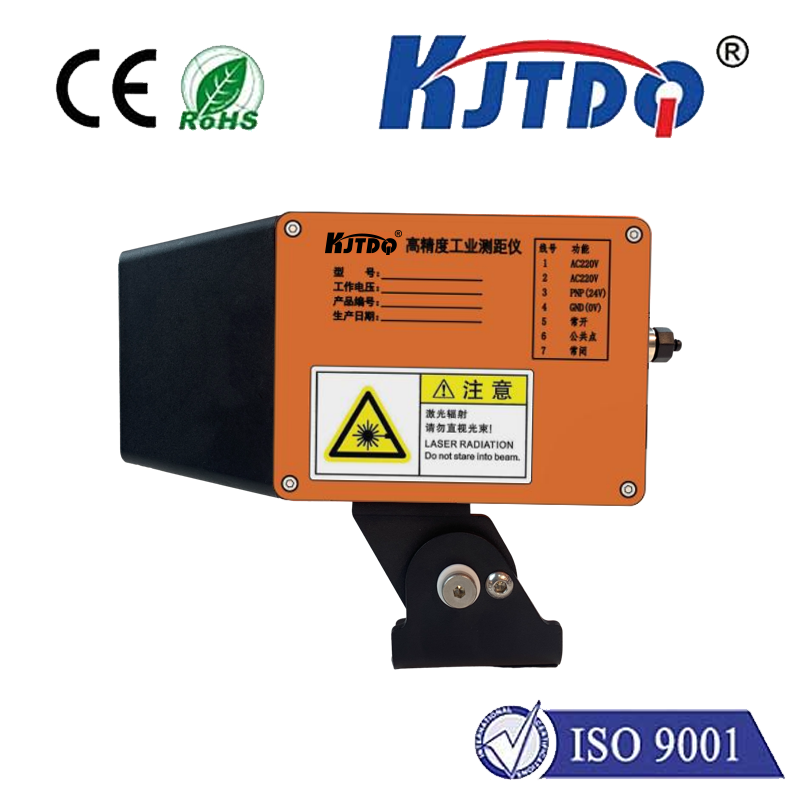
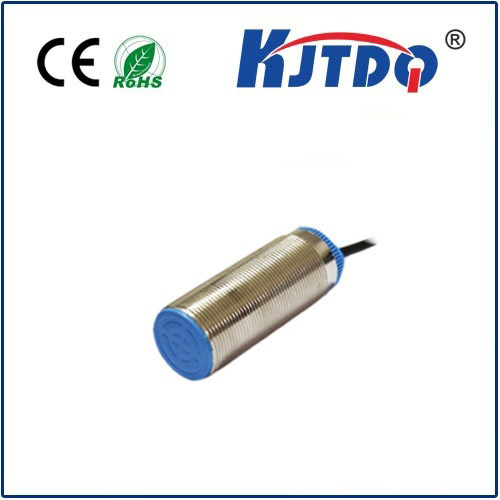
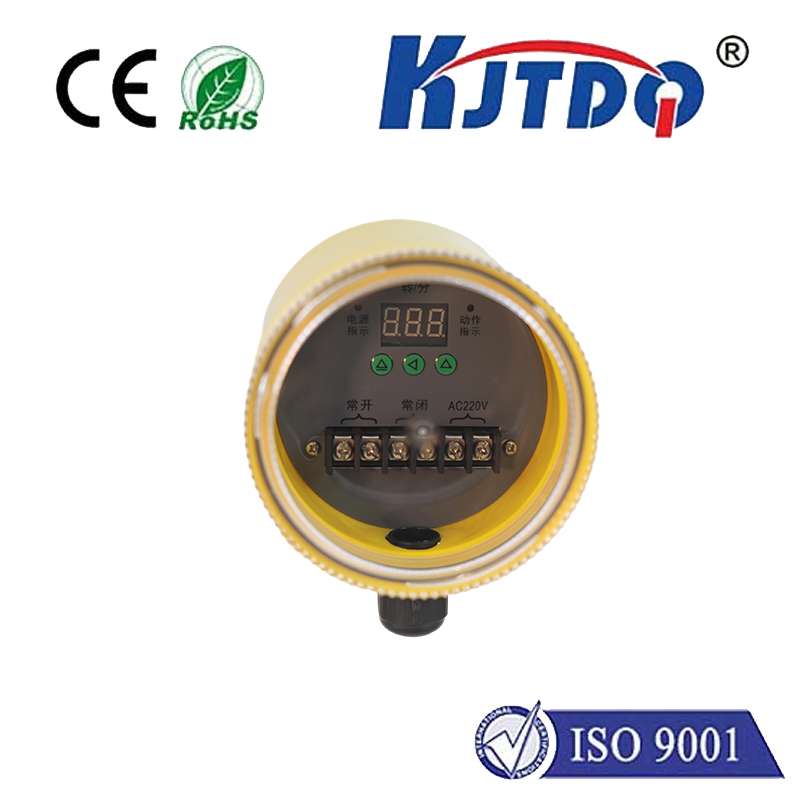
In the realm of industrial automation and electronic control, sensors act as the critical sensory organs, providing essential data for systems to interact with the physical world. Among the diverse sensor families, photoelectric sensors stand out for their non-contact detection capabilities. A specific and widely utilized type within this category is the NPN photoelectric sensor. This guide delves into the workings, applications, and advantages of these fundamental components, offering clarity for engineers, technicians, and automation enthusiasts.
At its core, an NPN photoelectric sensor is an electronic switch that uses light to detect the presence, absence, or distance of an object. The "NPN" designation refers to the type of transistor output the sensor uses. In an NPN output sensor, the switching element (the transistor) is configured to sink current to the common ground (0V) when activated. In simpler terms, when the sensor detects its target, the output signal wire connects to the negative voltage line, completing the circuit for the connected load, such as a programmable logic controller (PLC) input or a relay. This is contrasted with a PNP output, which sources current from the positive voltage supply.
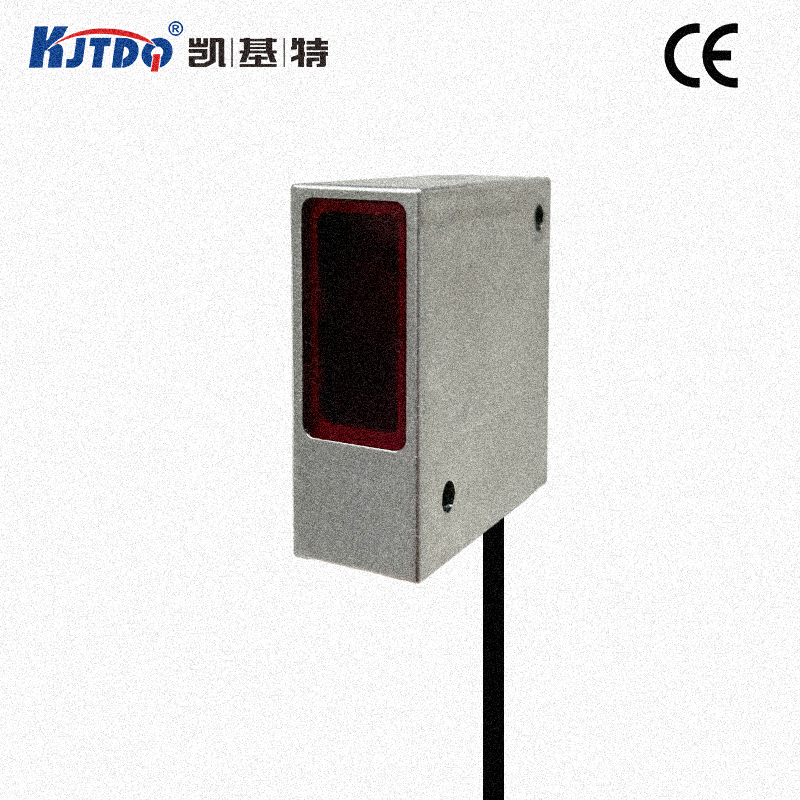
The detection principle involves a light source, typically an LED emitting visible red, infrared, or laser light, and a receiver. There are three primary operating modes: through-beam, retro-reflective, and diffuse reflective. Through-beam sensors have separate emitter and receiver units; an object is detected when it breaks the light beam. Retro-reflective sensors house both emitter and receiver in one unit, using a reflector to bounce the light back; detection occurs when the beam is interrupted. Diffuse reflective sensors also have a combined emitter and receiver, but they detect light reflected directly off the object itself. NPN outputs are available in all these configurations.
The choice of NPN output is deeply rooted in conventional circuit design, particularly in regions and systems historically influenced by certain electronic standards. One of the primary advantages of NPN photoelectric sensors is their compatibility with a wide range of control systems. Many PLCs and digital input cards are designed to accept sinking (NPN) inputs. They often offer a straightforward interface, where the PLC's input common is connected to a positive voltage, and the sensor's output pulls it low upon detection. This design can sometimes simplify wiring in complex control panels.
Furthermore, NPN sensors are known for their reliable performance in noisy electrical environments. The sinking output configuration can, in certain setups, offer marginally better noise immunity against electrical interference, which is a constant challenge in industrial settings filled with motors, drives, and high-power equipment. Their robustness and typically lower cost compared to some specialized sensors make them an economical and dependable choice for high-volume applications like object counting on conveyor belts, detecting bottle caps on filling lines, verifying the presence of parts in an assembly jig, or establishing positional limits.
When integrating an NPN photoelectric sensor, attention to wiring is crucial. The standard three-wire design includes a brown wire for positive DC supply (e.g., +12V or +24V), a blue wire for the common ground (0V), and a black wire as the switched NPN output. The load (e.g., the PLC input) is connected between the positive supply and the black output wire. When the sensor activates, the black wire connects to ground (blue wire), allowing current to flow through the load. Always consult the manufacturer's datasheet for voltage ratings, current sinking capacity, and connection diagrams to ensure safe and optimal operation.
In summary, the NPN photoelectric sensor remains a cornerstone of modern automation. Its simple yet effective principle of light-based detection, combined with the reliable, noise-resistant characteristics of the NPN sinking output, ensures its continued prevalence in countless industrial and commercial applications. Understanding its function, wiring, and appropriate use cases is fundamental for anyone involved in designing, maintaining, or troubleshooting automated systems. By selecting the correct sensor type—be it NPN or its PNP counterpart—for the specific control architecture, engineers can build more efficient, reliable, and cost-effective automated solutions.