Проверка
Проверка
Проверка
Проверка
Проверка
Проверка
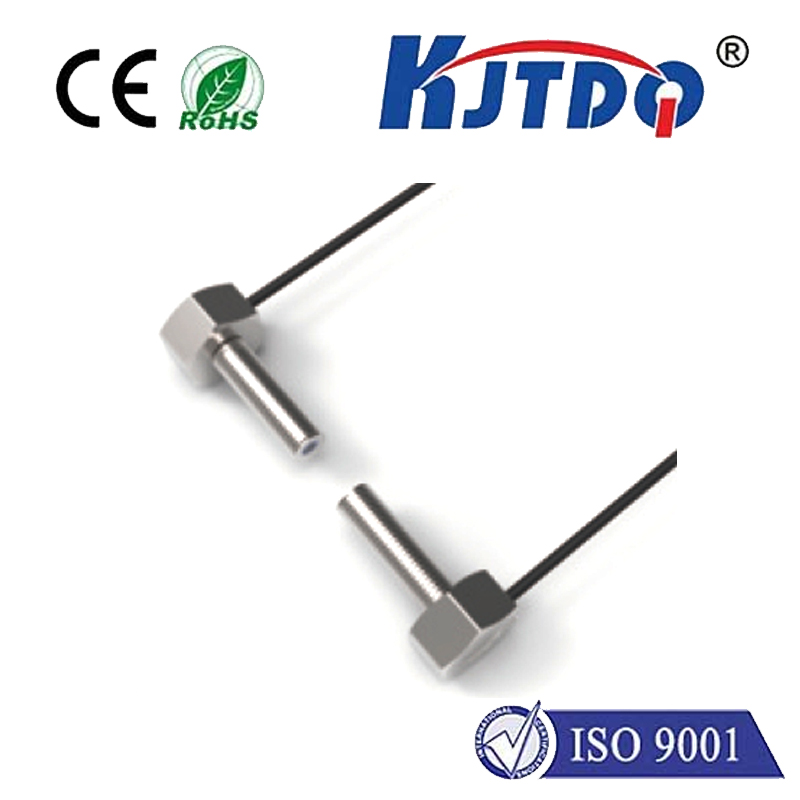
In industrial automation and safety systems, achieving reliable and precise object detection is non-negotiable. Among the array of sensing technologies available, the switch beam photoelectric switch sensor stands out as a cornerstone for applications demanding high accuracy, long-range capability, and environmental resilience. Unlike diffuse or retro-reflective sensors, a switch beam photoelectric sensor, also known as a through-beam sensor, operates on a straightforward yet powerful principle. It consists of two separate units: a transmitter and a receiver. The transmitter emits a continuous or modulated beam of light—typically infrared, visible red, or laser—directly toward the receiver. When an object passes between these two units, it interrupts the light beam. This interruption is instantly detected by the receiver, which then triggers a switching signal. This simple break-beam method is the key to its exceptional performance.
The primary advantage of the switch beam photoelectric sensor lies in its impressive sensing range. Capable of detecting objects over distances that can extend up to several hundred meters in high-end models, it far surpasses the range limitations of other photoelectric types. This makes it ideal for large-scale applications such as monitoring conveyor belts in logistics centers, controlling access to large gates or doors, and detecting vehicles on assembly lines. Furthermore, because the receiver is detecting the presence or absence of a pre-established beam, it is largely immune to common challenges like the color, reflectivity, or surface texture of the target object. A black, non-reflective object is detected as reliably as a shiny, white one. This consistency is critical in diverse industrial settings.
Durability and reliability in harsh conditions are other hallmarks of a quality switch beam sensor. Manufacturers encase these components in rugged housings, often rated IP67 or higher, providing robust protection against dust, water jets, and mechanical impacts. The use of modulated light signals in many modern sensors adds another layer of reliability. By having the receiver tuned to a specific frequency, the system effectively ignores ambient light interference from factory lighting, sunlight, or other sources, ensuring stable operation and minimizing false triggers. This stability translates directly to reduced downtime and maintenance costs.
When integrating a switch beam photoelectric switch into a system, several practical considerations come into play. First is alignment. Precise alignment of the transmitter and receiver is crucial for optimal operation. While this can be more demanding during initial setup compared to a single-unit sensor, many models feature visual alignment aids like LED indicators that signal beam strength. Once aligned, these systems are remarkably stable. Second is the choice of light source. Standard infrared beams offer a great balance of range and cost. Visible red beams simplify the alignment process. Laser versions provide extremely precise, pinpoint detection for small objects or long, narrow paths.
The applications for switch beam photoelectric sensors are vast and varied. In packaging machinery, they ensure precise carton counting and fill-level control. In the automotive industry, they monitor robotic welding cells for operator safety. They are indispensable in woodworking for detecting board positions and in material handling for palletizing and depalletizing operations. Beyond pure industrial use, they serve in commercial security systems as invisible tripwires and in agriculture for monitoring product flow.
Selecting the right sensor involves matching its specifications to the task. Key parameters to evaluate include sensing distance, response time, output type (e.g., NPN, PNP, relay), power supply requirements, and the specific environmental ratings. For instance, a washdown environment in food processing requires a stainless-steel housing and a high IP rating, while a high-speed bottling line demands an ultra-fast response time.
In conclusion, the switch beam photoelectric switch sensor remains a fundamental and powerful tool in the engineer's arsenal. Its principle of operation—reliable beam interruption—delivers unmatched range, object material independence, and environmental robustness. For any application where precise, long-distance, and dependable detection is paramount, from factory floors to security perimeters, implementing a well-chosen switch beam photoelectric sensor is a strategic decision that enhances efficiency, safety, and system integrity. Its continued evolution with smarter features and connectivity options ensures it will remain vital to automated systems for years to come.