Проверка
Проверка
Проверка
Проверка
Проверка
Проверка
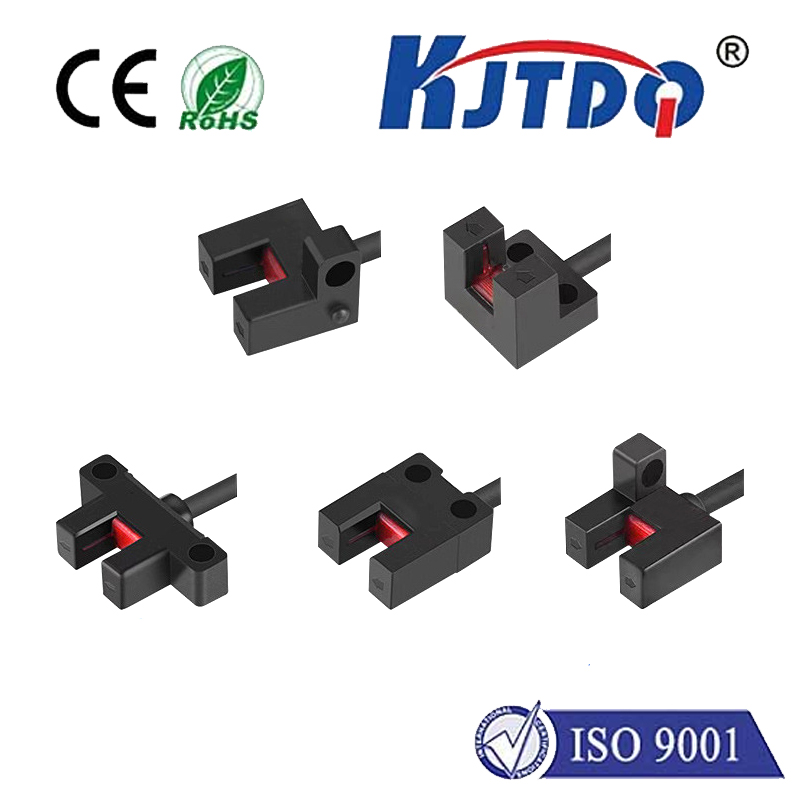
In the rapidly evolving landscape of industrial automation, the demand for reliable and precise sensing technology is paramount. The photoelectric sensor GTB6-N emerges as a critical component in this domain, designed to meet the rigorous demands of modern manufacturing, packaging, and material handling systems. This sensor exemplifies the integration of advanced optical technology with robust engineering, providing a solution that enhances operational efficiency, reduces downtime, and ensures consistent product quality.
The core functionality of the photoelectric sensor GTB6-N lies in its ability to detect the presence, absence, or distance of an object using a light beam, typically infrared, visible red, or laser. Unlike mechanical switches or proximity sensors, it offers non-contact detection, which eliminates physical wear and tear, thereby extending its service life significantly. The GTB6-N model is particularly noted for its high precision and stability across various environmental conditions. It features a compact design, making it suitable for installation in space-constrained applications. The housing is often constructed from durable materials like nickel-plated brass or stainless steel, offering resistance to dust, moisture, and chemical splashes, which is essential for harsh industrial environments.
One of the standout attributes of the GTB6-N is its versatile sensing modes. It can be configured for through-beam, retro-reflective, or diffuse reflection operation. In through-beam mode, the transmitter and receiver are separate units; an object is detected when it interrupts the light beam between them, allowing for long sensing distances and high accuracy. Retro-reflective mode uses a single unit with a built-in reflector, simplifying installation while maintaining reliable detection. Diffuse reflection mode, where the sensor detects light reflected directly from the target object, is ideal for detecting objects at close range without a separate reflector. This flexibility allows the GTB6-N to adapt to a wide array of applications, from detecting transparent bottles on a conveyor belt to positioning components in automated assembly lines.
The technical specifications of the photoelectric sensor GTB6-N contribute significantly to its reliability. It typically operates with a stable response time, enabling high-speed detection crucial for fast-paced production lines. Many models offer adjustable sensitivity, allowing technicians to fine-tune the sensor to ignore background interference or detect specific materials. Furthermore, advanced versions may include features like background suppression, which helps in accurately detecting objects regardless of their color or reflectivity, and a built-in amplifier for easy integration with programmable logic controllers (PLCs) and other control systems. The output options, including NPN, PNP, or analog signals, provide compatibility with various industrial electrical standards.
Implementing the GTB6-N photoelectric sensor brings tangible benefits to automation systems. Its accuracy minimizes errors in object counting, positioning, and sorting, leading to reduced waste and improved yield. The durability and non-contact nature lower maintenance requirements and associated costs. In packaging machinery, for instance, it ensures precise filling levels and label placement. In automotive manufacturing, it aids in the accurate assembly of small parts. The sensor's reliability also enhances overall system safety by ensuring machines operate only when components are correctly positioned.
Choosing the right sensor involves considering factors such as sensing distance, target material, environmental conditions, and required output. The photoelectric sensor GTB6-N, with its robust design and adaptable features, presents a compelling choice for engineers and system integrators. It represents a blend of proven photoelectric technology and practical design enhancements aimed at solving real-world industrial challenges. As factories move towards greater connectivity and smart manufacturing under Industry 4.0, sensors like the GTB6-N form the foundational layer of data acquisition, feeding critical information into larger monitoring and control networks for optimized production flow.
In conclusion, the photoelectric sensor GTB6-N stands as a testament to the importance of precise, reliable sensing in automation. Its design philosophy centers on delivering consistent performance where it matters most—on the factory floor. By enabling machines to "see" and react to their environment with high fidelity, it plays an indispensable role in driving productivity, quality, and efficiency across countless industrial sectors. For any operation seeking to upgrade its sensing capabilities, the GTB6-N offers a proven and versatile solution that aligns with the goals of modern, competitive manufacturing.