Проверка
Проверка
Проверка
Проверка
Проверка
Проверка
In the dynamic world of industrial automation, precision, reliability, and adaptability are non-negotiable. Selecting the right sensing technology can significantly impact operational efficiency, safety, and overall productivity. Among the various options available, the DC 12-24V photoelectric proximity sensor stands out as a versatile and robust solution for a multitude of applications. This article delves into the core features, operational principles, and key benefits of these sensors, explaining why they are a cornerstone in modern manufacturing and control systems.
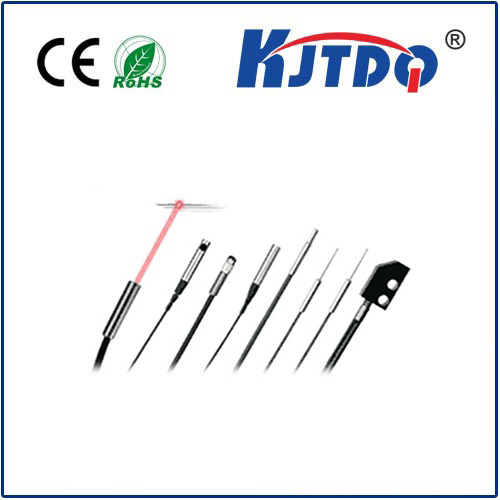
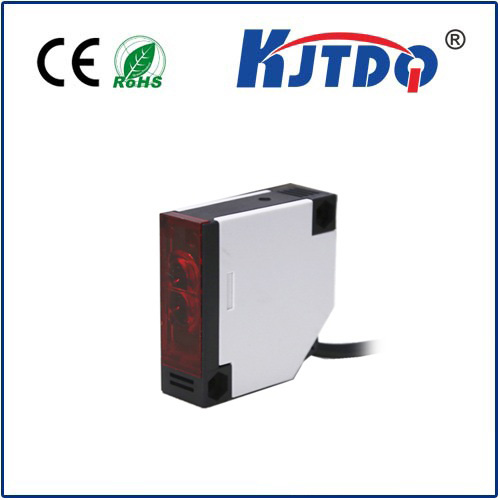
At its heart, a DC 12-24V photoelectric sensor operates by emitting a beam of light (typically infrared, visible red, or laser) and detecting changes in the received light signal. The "proximity" function means it can detect the presence, absence, or distance of an object without physical contact. The DC 12-24V specification indicates its power supply range, offering significant flexibility. This wide voltage range is crucial for industrial environments where power supply stability can vary. It allows the same sensor model to be deployed across different machines and platforms without requiring specific voltage regulators, simplifying inventory and installation.
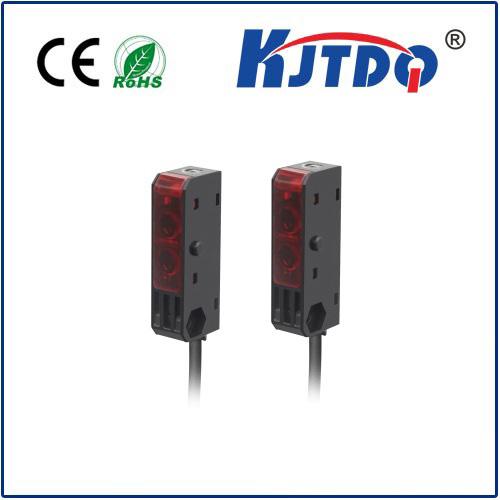
The working principle can be implemented in several modes to suit specific needs. The through-beam type, with separate emitter and receiver units, offers the longest sensing range and high reliability. The retro-reflective type uses a reflector to bounce light back to the receiver, simplifying wiring for longer ranges compared to diffuse models. The diffuse or proximity mode, where the emitter and receiver are in the same housing, detects objects by the light reflected directly from the target itself. This self-contained design is incredibly popular for its ease of installation and space-saving profile.
Why choose a DC 12-24V photoelectric sensor? The advantages are compelling. First and foremost is its non-contact detection. This eliminates mechanical wear and tear, ensuring a long operational lifespan and minimal maintenance. It can detect virtually any material—metal, plastic, wood, glass, or liquid—as long as it affects the light beam. This universality is a key strength. Secondly, the fast response speed, often in the microsecond range, enables high-speed counting, positioning, and inspection on fast-moving production lines, such as in packaging or bottling plants.
The environmental robustness of these sensors cannot be overstated. High-quality models feature rugged housings (often IP67 or IP69K rated) that protect against dust, water jets, and chemical exposure. They are built to withstand the vibrations, electrical noise, and temperature fluctuations common in industrial settings. The DC 12-24V power compatibility further enhances this resilience, ensuring stable operation even with minor voltage sags or surges.
Practical applications are vast and varied. In material handling, they are used for object detection on conveyors, palletizing, and warehouse automation. In the automotive industry, they ensure precise part positioning for assembly robots. In packaging machinery, they control fill levels, count products, and verify label presence. They are also indispensable in safety systems, forming light curtains to protect personnel around hazardous machinery.
When integrating a DC 12-24V photoelectric sensor, several factors warrant consideration. The sensing range must be appropriate for the application. The target material, size, color, and surface finish (shiny or matte) can affect performance, especially for diffuse sensors. Environmental conditions like ambient light, fog, dust, or steam must be accounted for; selecting sensors with modulated LED light can prevent interference from ambient light. Finally, the output type (PNP/NPN, NO/NC) must be compatible with the programmable logic controller (PLC) or other control circuitry.
In conclusion, the DC 12-24V photoelectric proximity sensor is more than just a component; it is an intelligent enabler of automation. Its combination of versatility, durability, and precision makes it an essential tool for engineers and system integrators aiming to build smarter, more efficient, and reliable industrial systems. By understanding its capabilities and proper application guidelines, businesses can unlock higher levels of automation performance and operational consistency.