Проверка
Проверка
Проверка
Проверка
Проверка
Проверка
In an era where smart technology permeates every aspect of our lives, safeguarding our homes and assets from water damage has become more critical than ever. The photoelectric water sensor stands at the forefront of this protective revolution, offering a sophisticated and reliable solution for early leak detection. Unlike traditional mechanical float switches, this advanced device operates on a principle of light refraction, providing unparalleled accuracy and peace of mind.
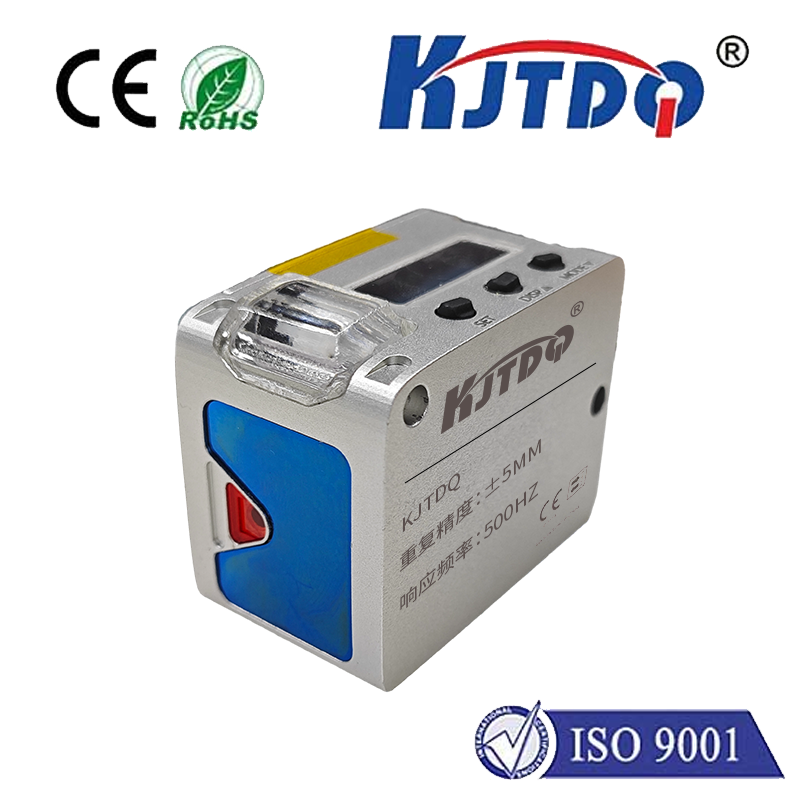
At its core, a photoelectric water sensor is an electronic device designed to detect the presence of water in areas where it shouldn't be. The technology is elegantly simple yet highly effective. Inside the sensor's housing, an infrared LED emits a beam of light onto a prism. Under dry conditions, this light beam is internally reflected within the prism and directed back to a phototransistor receiver. This creates a closed circuit, indicating a "dry" state. The moment water comes into contact with the prism, the optical properties change dramatically. Water alters the refractive index, causing the light beam to refract out of the prism instead of reflecting internally. This break in the light path is instantly detected by the receiver, triggering an alert. This non-contact, optical method of detection eliminates the need for moving parts, which are prone to failure, jamming, or corrosion in traditional float sensors.
The advantages of adopting photoelectric water sensor technology are substantial and multifaceted. First and foremost is its exceptional reliability. With no mechanical components to wear out or get stuck, these sensors offer consistent performance over many years, requiring minimal maintenance. Their high sensitivity allows them to detect even minute amounts of water or condensation, often signaling a problem long before it becomes a catastrophic flood. This early warning is invaluable, potentially saving homeowners and businesses tens of thousands of dollars in repair costs and preventing the loss of irreplaceable personal items. Furthermore, their compact and low-profile design allows for installation in tight spaces where traditional sensors cannot fit, such as under cabinets, behind appliances, or in drip pans.
Modern photoelectric water sensors are designed for seamless integration into smart home ecosystems. They often feature wireless connectivity options like Wi-Fi, Zigbee, or Z-Wave. When a leak is detected, the sensor can immediately send a push notification to your smartphone, trigger an audible local alarm, or even automatically shut off the main water supply via a connected smart valve. This creates a proactive, automated defense system. Imagine being alerted to a leaking water heater while you're on vacation, allowing you to call a neighbor or plumber before significant damage occurs. For commercial applications, such as in server rooms, data centers, or manufacturing facilities, these sensors are indispensable for protecting critical infrastructure.
When selecting a photoelectric water sensor, several key features should guide your decision. Look for models with a loud, built-in alarm (around 85 dB is standard) for immediate local notification. Battery life is crucial; many quality sensors operate for 1-2 years on standard batteries and provide low-battery alerts. For smart home users, compatibility with your existing platform (like Amazon Alexa, Google Home, or Apple HomeKit) is essential. Some advanced models also include temperature sensors, providing dual monitoring for both leaks and freezing pipes—a common cause of wintertime bursts.
Installation is typically straightforward, requiring no plumbing expertise. Strategic placement is the most important step. High-priority locations include under kitchen and bathroom sinks, behind washing machines and dishwashers, near water heaters and HVAC units, and in basement floor drains. It's advisable to place sensors at every potential point of failure. Regular testing, as simple as placing a few drops of water on the sensor, should be performed monthly to ensure ongoing reliability.
From residential basements to industrial plant floors, the applications for photoelectric water sensors are vast. Homeowners use them to protect their largest investment. Property managers install them in apartments and condominiums to mitigate liability. Insurance companies increasingly recommend or even incentivize their installation, as they significantly reduce the frequency and severity of water damage claims. In the industrial sector, they safeguard expensive machinery and prevent production downtime.
In conclusion, the photoelectric water sensor represents a smart, essential investment in property protection. Its optical sensing technology provides a level of dependability and early detection that mechanical switches simply cannot match. By offering a critical first line of defense against one of the most common and costly household disasters, this device empowers individuals and businesses to take control of their water security. In a world moving towards greater automation and connectivity, integrating this technology is a logical and responsible step toward a safer, more secure living and working environment.