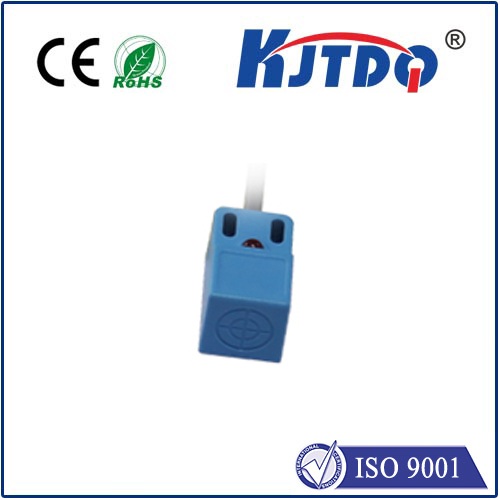
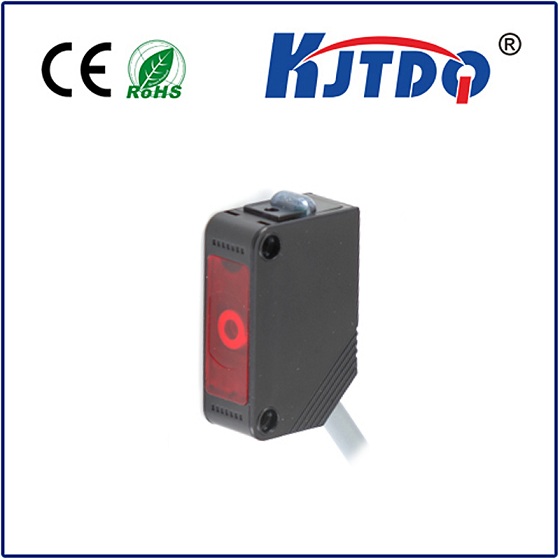
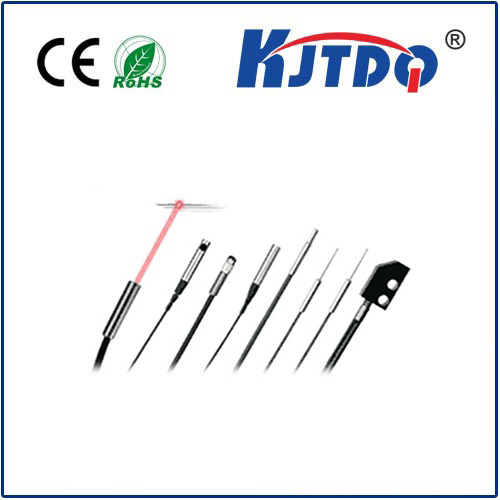
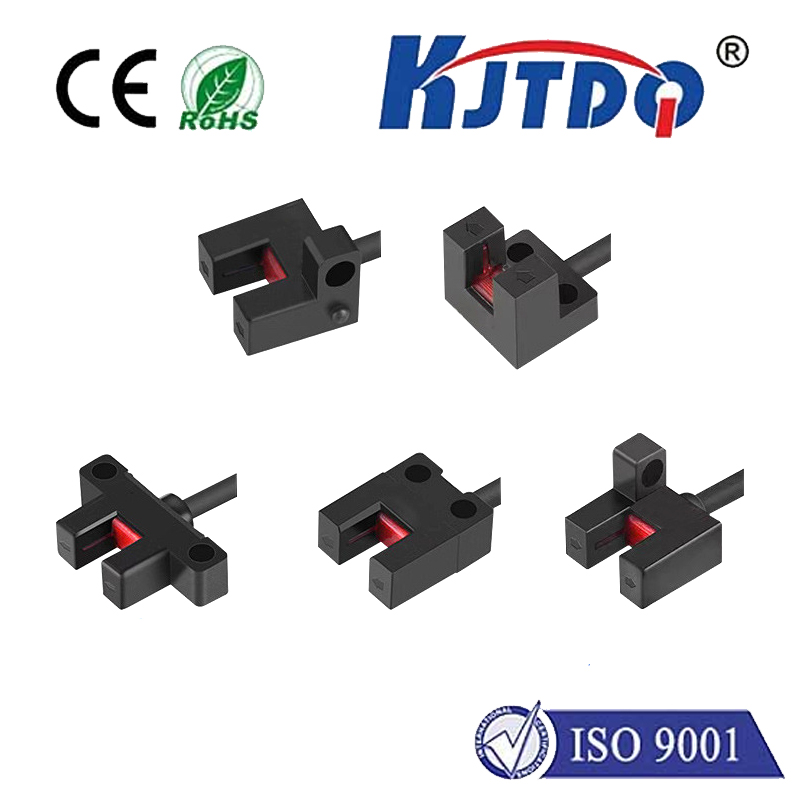
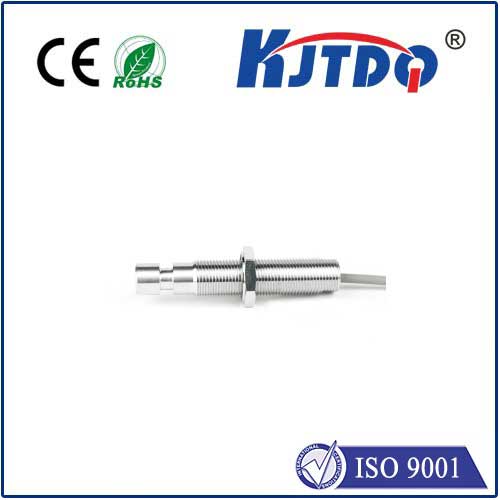
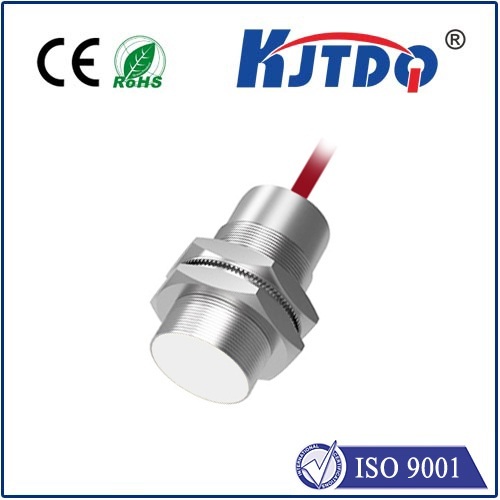
In the intricate world of industrial automation, precision, reliability, and durability are non-negotiable. Among the myriad of components that keep production lines humming, the photoelectric sensor stands as a silent sentinel. Specifically, the photoelectric sensor with an 18mm housing, AC voltage operation, and a sensing range (SN) of 10cm represents a critical category for countless applications. This guide delves deep into this specific sensor type, exploring its core technology, operational principles, key advantages, and the diverse industrial scenarios where it proves indispensable.
At its heart, a photoelectric sensor functions by emitting a beam of light (typically infrared, red, or laser) and detecting changes in the received light signal. The 18mm designation refers to the cylindrical housing diameter, a standard size that offers a robust build while remaining compact enough for installation in space-constrained environments. This form factor strikes an excellent balance between mechanical strength and versatility. The AC voltage specification is crucial for direct integration into standard industrial power grids, often ranging from 90 to 250V AC. This eliminates the need for additional DC power supplies, simplifying wiring and reducing overall system complexity and cost. The sensing range of 10cm (or 100mm) is a defining characteristic. This "Standard Range" (SN) is ideal for applications requiring reliable detection at a moderate distance, providing a safe buffer zone between the sensor and the target object.
The operational principle behind these sensors can vary, with through-beam, retro-reflective, and diffuse-reflective modes being the most common. For an 18mm AC sensor with a 10cm range, the diffuse-reflective (proximity) mode is frequently employed. In this mode, the sensor houses both the emitter and receiver. It detects an object when the emitted light beam reflects off the target's surface and returns to the receiver. The 10cm range is optimized for this reflection-based detection, ensuring stable operation even for objects with varying reflectivity. The built-in circuitry, powered by AC voltage, is designed to handle electrical noise typical in industrial settings, ensuring stable signal output.
Why choose an 18mm AC voltage photoelectric sensor with a 10cm sensing range? The benefits are multifaceted. First, the AC power compatibility offers direct plug-and-play functionality in most factories, enhancing installation efficiency. Second, the 18mm threaded barrel allows for easy mounting using standard nuts, offering flexibility in positioning and alignment. The metal or high-grade plastic housing provides excellent resistance to environmental factors like dust, moisture, and oil splashes, often meeting IP67 protection ratings. The 10cm range is particularly advantageous. It is long enough to avoid physical contact with fast-moving or hot objects, preventing damage, yet short enough to provide precise positional detection and minimize false triggers from background objects. This range is perfect for tasks like detecting the presence of boxes on a conveyor belt, monitoring the position of a machine part, counting objects passing a specific point, or verifying the open/closed status of a door or hatch.
In practical terms, you will find these sensors performing critical roles across industries. On packaging lines, they verify the presence of products in cartons before sealing. In material handling, they detect the position of pallets for automated stacking and retrieval. In automotive assembly, they ensure components are correctly positioned for robotic welding or assembly. The robust AC design makes them suitable for harsh environments like woodworking (sawdust) or bottling plants (moisture). Their reliability in detecting a wide range of materials—from metallic parts to translucent plastic bottles—makes them a versatile tool in an engineer's arsenal.
When selecting such a sensor, consider the specific object material, color, and surface finish, as these affect reflectivity. The required response speed and output type (e.g., NPN/PNP relay output compatible with AC systems) are also vital. Proper installation is key: ensuring a stable mounting, aligning the sensor correctly, and keeping the lens clean from debris are essential for long-term, trouble-free operation. Regular maintenance checks can prevent unexpected downtime.
In conclusion, the photoelectric sensor with an 18mm form factor, AC voltage operation, and a 10cm sensing range is a cornerstone of modern industrial sensing. It embodies a perfect synergy of rugged design, operational convenience, and application-focused performance. By providing a dependable and precise means of non-contact detection, it enhances automation efficiency, ensures safety, and contributes significantly to the seamless flow of modern manufacturing and logistics processes. Understanding its capabilities allows for smarter integration and more robust automated system design.