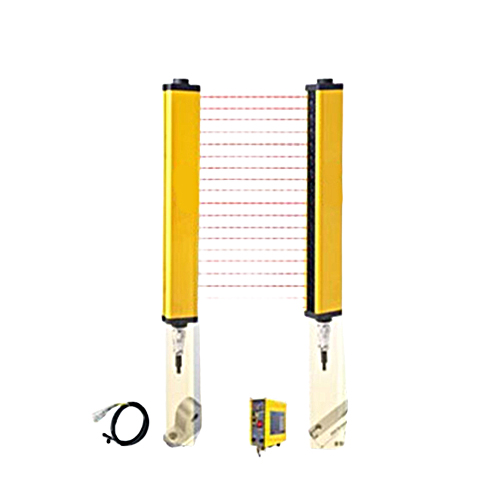
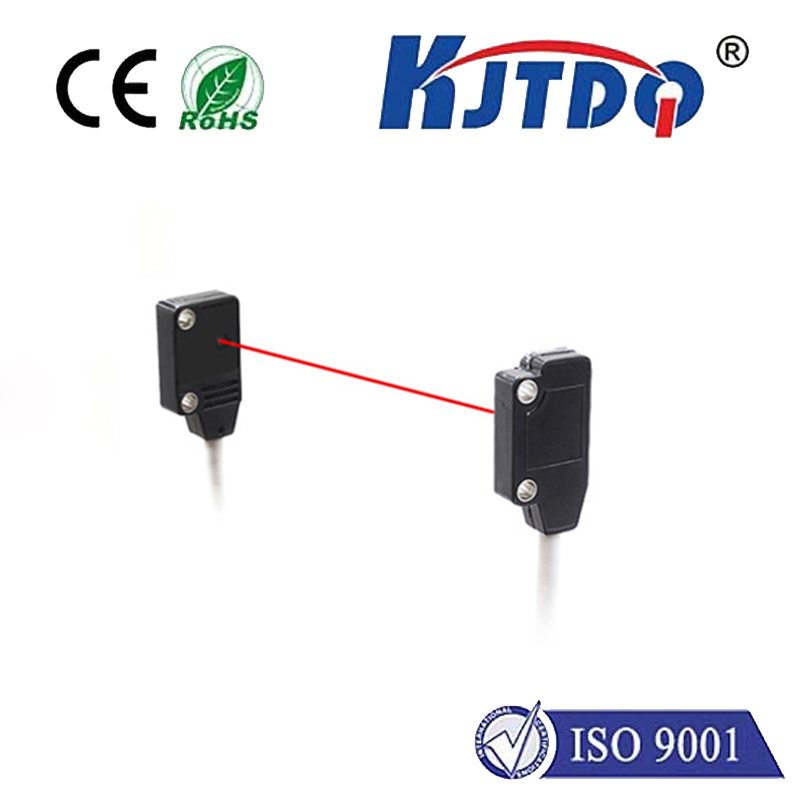
In the realm of industrial automation and precision control, the photoelectric distance switch sensor with a reflector stands as a cornerstone technology. This sophisticated system, often simply called a retro-reflective photoelectric sensor, operates on a fundamental yet powerful principle. It consists of two main components: an emitter/receiver unit and a specialized reflector. The emitter projects a beam of light—typically infrared, red, or laser—towards the reflector. This reflector, designed with a unique prismatic or corner-cube structure, sends the light beam directly back to the receiver along the same path, regardless of the angle of incidence. The sensor's internal electronics then monitor this returned signal. When an object interrupts this beam between the sensor and the reflector, the received light intensity drops, triggering a switching action in the sensor's output circuit.
The integration of a reflector fundamentally enhances the capabilities of a standard photoelectric sensor. It allows for reliable long-range detection, often exceeding distances where diffuse or through-beam sensors would fail. This makes the photoelectric distance switch sensor reflector ideal for applications requiring detection over expansive areas, such as monitoring conveyor belt lines, safeguarding automated guided vehicle (AGV) pathways, or controlling access to large machinery zones. The setup is remarkably efficient, requiring wiring and installation at only one point—the sensor head itself—since the reflector is a passive, maintenance-free component. This significantly reduces installation complexity and cost compared to through-beam systems that need separate wiring for a transmitter and a receiver placed opposite each other.
Choosing the right photoelectric distance switch sensor reflector involves careful consideration of several technical parameters. The sensing distance is paramount; it must accommodate the maximum gap between the sensor and the reflector in the application. Environmental factors like ambient light, dust, fog, or steam can interfere with the light beam. Therefore, models with modulated LED light (to ignore ambient light) and high IP (Ingress Protection) ratings for dust and water resistance are crucial for harsh industrial environments. The type of output required—PNP, NPN, analog, or a relay—must match the control system's input specifications. Furthermore, the reflector's size and quality directly impact performance; larger reflectors or reflector tapes provide a wider effective area and more consistent beam return, ensuring stable operation even with minor vibrations or misalignments.
The practical applications of this technology are vast and transformative. In packaging machinery, these sensors accurately detect the presence of boxes on a line, triggering sealing or labeling operations. Within the automotive industry, they ensure robotic welding arms maintain a safe distance from workers or other equipment. In material handling, they prevent over-travel of cranes or elevators by acting as precise limit switches. The logistics sector relies on them to count items on high-speed sortation systems. Their ability to function reliably in demanding conditions—from freezing cold storage facilities to the oily, vibrating floors of a press shop—makes them indispensable for modern manufacturing.
To ensure optimal performance and longevity, proper installation and maintenance are key. The sensor and reflector must be aligned correctly; many modern sensors feature visible red beams or alignment indicators to simplify this process. The mounting should be secure to prevent vibration-induced misalignment. Keeping the lens of the sensor and the surface of the reflector clean from dirt, oil, and debris is essential, as buildup can attenuate the light signal and cause false triggers or failures. Regular functional checks should be part of the preventive maintenance schedule. Troubleshooting typically involves verifying power supply, checking alignment, cleaning optical surfaces, and confirming that the sensing object is indeed interrupting the beam effectively.
Looking ahead, the evolution of the photoelectric distance switch sensor reflector continues. Integration with Industrial Internet of Things (IIoT) platforms is becoming more common, allowing for predictive maintenance by monitoring signal strength trends. Advancements in laser diode technology enable even more precise distance measurement and smaller spot sizes for detecting minute objects. The development of background suppression models, which can ignore the reflector and only detect objects in a very specific foreground zone, adds another layer of application specificity. As industries strive for greater efficiency, safety, and data integration, this robust and versatile sensing solution will remain at the forefront, enabling smarter and more responsive automated systems. Its combination of simplicity, reliability, and precision solidifies its role as a critical component in the automated world.