Проверка
Проверка
Проверка
Проверка
Проверка
Проверка
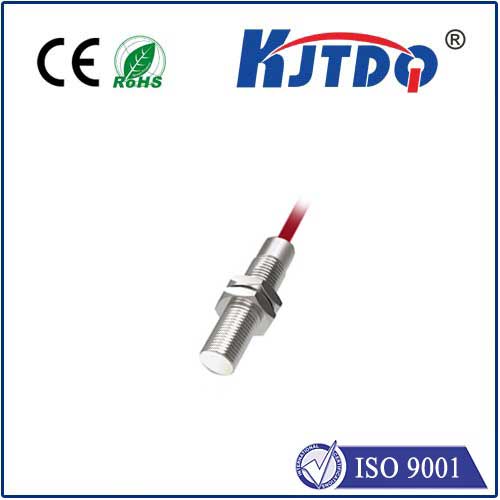
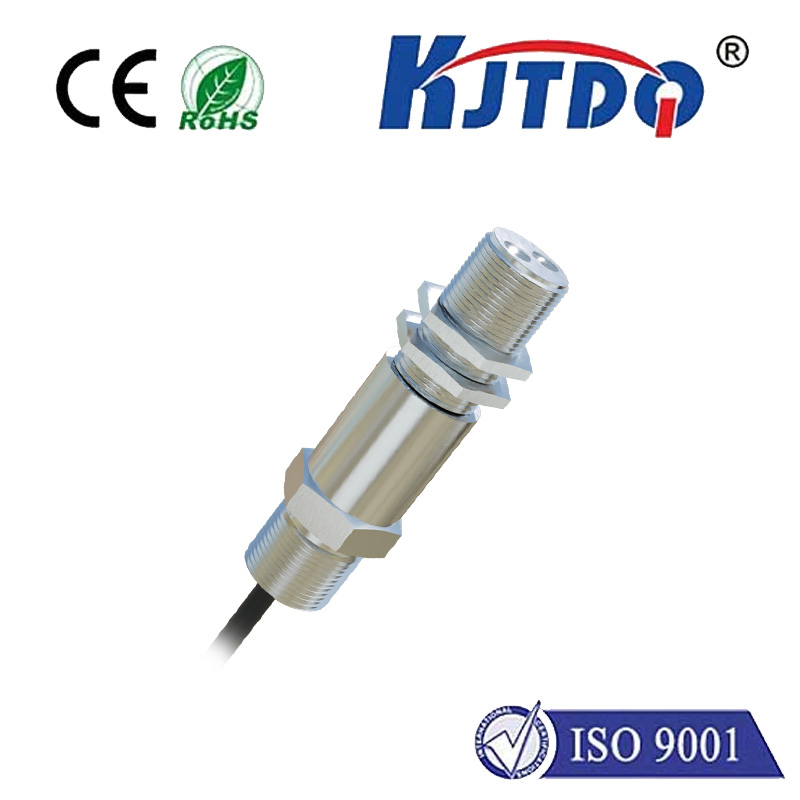
In the intricate world of industrial automation, precision, reliability, and adaptability are non-negotiable. At the heart of countless detection and control systems lies a critical component: the photoelectric sensor. Specifically, the DC 3-wire 6-36V PNP IR photoelectric sensor switch stands out as a versatile and robust solution for a wide array of applications. This guide delves into the functionality, advantages, and practical uses of this essential device, providing a clear understanding for engineers, technicians, and procurement specialists.
Understanding the core technology is the first step. This sensor operates on the principle of infrared (IR) light emission and reception. An internal IR LED emits a beam of light. When this beam is interrupted or reflected by an object, the change is detected by a phototransistor or photodiode receiver. The sensor then processes this signal and triggers its output switch. The "PNP" designation refers to the type of transistor output. In a PNP (sourcing) configuration, the output wire provides positive voltage (V+) to the load when the sensor is activated. This is a common and often preferred configuration as it aligns with the wiring practices of many programmable logic controllers (PLCs) and control systems.
The operational voltage range of 6-36V DC is a significant feature. This wide range offers exceptional flexibility in integration. Whether your control panel operates on a standard 12V DC, 24V DC, or another voltage within this spectrum, the same sensor model can be utilized. This simplifies inventory management and reduces the risk of compatibility errors during installation or system upgrades. The 3-wire setup typically includes a brown wire for V+ (power supply positive), a blue wire for V- (power supply negative or ground), and a black wire for the switched output signal.
Durability and environmental resistance are paramount in industrial settings. High-quality versions of this sensor are housed in rugged casings, often made from nickel-plated brass or stainless steel, with sensing faces of chemically resistant plastic. Many models boast an IP67 or higher ingress protection rating, meaning they are completely dust-tight and can withstand temporary immersion in water. This makes them suitable for harsh environments like washdown areas in food processing, outdoor applications, or dusty manufacturing floors.
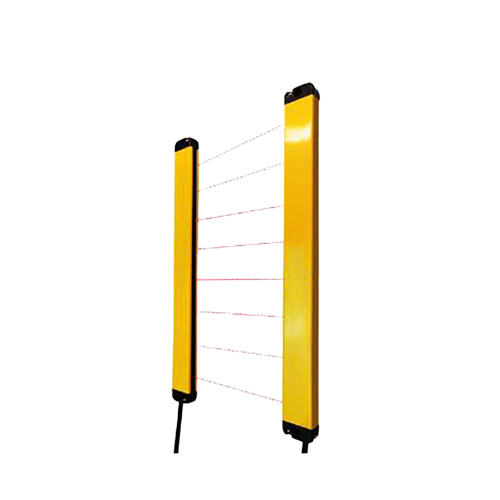
The applications for a DC 3-wire 6-36V PNP IR photoelectric sensor are virtually limitless. Common uses include object detection on conveyor belts for counting, sorting, or jam prevention. They are ideal for position sensing, verifying if a part is present in a fixture or if a machine door is securely closed. In packaging machinery, they detect labels, monitor fill levels, and control the cutting process. Their through-beam, retro-reflective, and diffuse reflective sensing modes cater to different detection needs, from long-range detection to sensing small or low-reflectivity objects.
When selecting and installing such a sensor, several best practices ensure optimal performance. First, consider the sensing distance and the size, color, and material of the target object. Dark, matte, or transparent objects may require a sensor with background suppression or a specific sensing mode. Second, ensure proper electrical connections. Incorrect wiring can damage the sensor or the connected controller. Always refer to the manufacturer's datasheet. Third, account for environmental factors like ambient light, which could interfere with IR sensors, though modern models feature modulated IR light to mitigate this issue. Finally, regular maintenance, such as cleaning the lens from dust or grime, preserves long-term accuracy and reliability.
In conclusion, the DC 3-wire 6-36V PNP IR photoelectric sensor switch is more than just a component; it is a fundamental enabler of modern automation. Its combination of a wide voltage range, robust PNP output, and infrared sensing technology provides a reliable and flexible solution for countless detection tasks. By understanding its specifications and proper application, professionals can enhance system efficiency, reduce downtime, and build more intelligent and responsive automated processes. For anyone involved in machine design, factory maintenance, or industrial system integration, mastering the use of this sensor is a key step toward operational excellence.