Проверка
Проверка
Проверка
Проверка
Проверка
Проверка
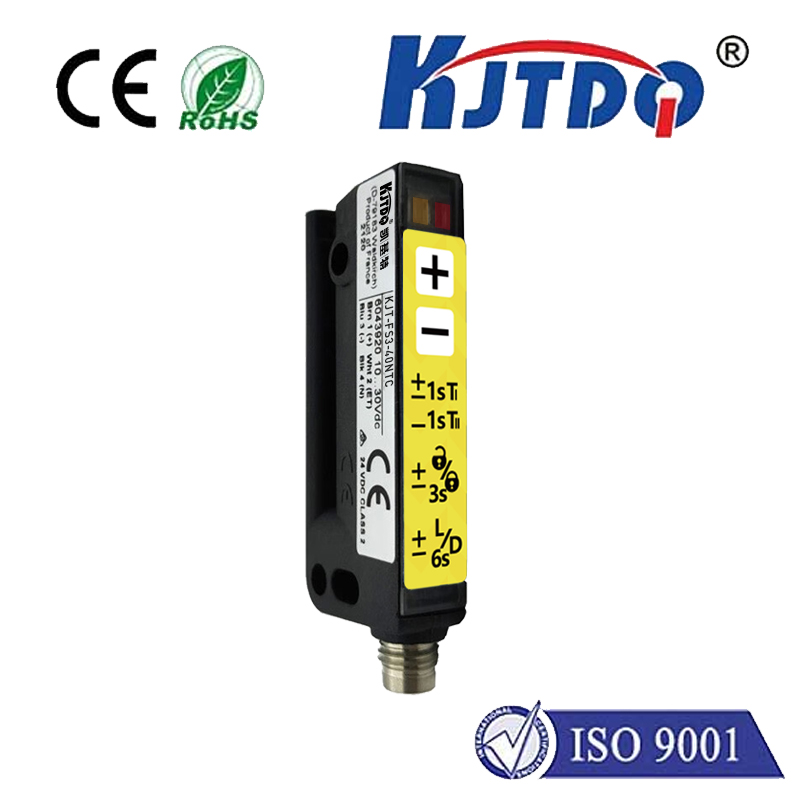
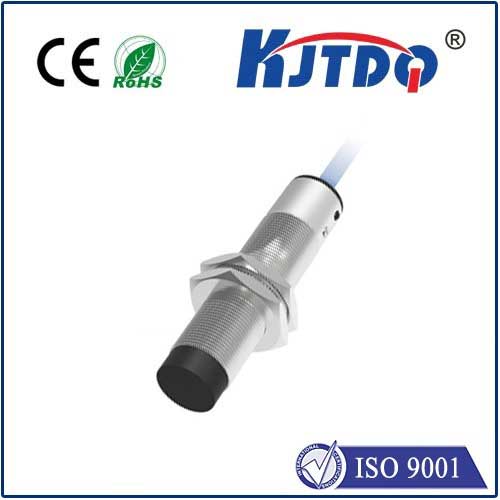
In the evolving landscape of utility management, the photoelectric sensor gas meter stands as a pivotal innovation, redefining how gas consumption is measured and monitored. Unlike traditional mechanical diaphragm or turbine meters, this advanced technology employs optical principles to deliver unparalleled precision and reliability. At its core, a photoelectric sensor utilizes a light source, typically an LED, and a photodetector. As gas flows through the meter, it interacts with a rotor or impeller equipped with reflective markers. Each rotation interrupts or reflects the light beam, generating precise electrical pulses. These pulses are then converted into volumetric gas flow data, providing a digital and highly accurate reading.
The advantages of adopting photoelectric sensor technology in gas metering are substantial. Firstly, accuracy is significantly enhanced. Mechanical meters can suffer from wear and tear over time, leading to measurement drift and inaccuracies. Photoelectric sensors, with no direct mechanical contact in the sensing mechanism, maintain their calibration over extended periods, ensuring consumers are billed fairly for exact usage. This long-term stability translates to reduced revenue loss for utility companies and increased trust from end-users.
Secondly, these meters offer superior performance in low-flow detection. Traditional meters often have a minimum flow threshold below which gas consumption goes unrecorded. The sensitivity of photoelectric sensors allows them to detect even the smallest gas flows, capturing every unit of consumption. This capability is crucial for detecting minor leaks within a system, promoting safety and preventing waste. Early leak detection can avert potential hazards, making these meters not just tools for billing but also for proactive safety management.
Durability and low maintenance are other compelling benefits. The absence of constantly rubbing mechanical parts minimizes internal friction and wear. This design leads to a longer operational lifespan and reduces the frequency of field interventions for repairs or recalibrations. For utility providers, this means lower operational costs and fewer disruptions in service. The robust construction of these meters also makes them resistant to common issues like tampering or external magnetic interference, which can affect the readings of some conventional meters.
Integration with modern smart grid systems is a natural progression for photoelectric sensor gas meters. Their inherent digital output facilitates seamless connection to Automated Meter Reading (AMR) and Advanced Metering Infrastructure (AMI) networks. This enables remote, real-time data collection, eliminating the need for manual meter readings. Consumers gain access to detailed usage patterns through online portals or mobile apps, empowering them to manage their consumption more effectively and make informed decisions to reduce their energy bills and carbon footprint. For utilities, the data supports dynamic pricing models, improves demand forecasting, and enhances overall grid management.
The deployment of photoelectric sensor gas meters also aligns with global sustainability goals. By providing precise data, they help in accurately tracking gas consumption trends, which is essential for energy conservation initiatives. Furthermore, their longevity and reduced need for physical replacements contribute to lower material waste. As the world moves towards more efficient and intelligent energy infrastructure, these meters represent a critical step forward.
In conclusion, the photoelectric sensor gas meter is more than an incremental upgrade; it is a transformative technology for the gas utility sector. It delivers exceptional accuracy, reliability, and intelligence, meeting the demands of both modern utility companies and environmentally conscious consumers. Its role in enabling smart cities and sustainable resource management continues to grow, solidifying its position as the future standard for precise and connected gas measurement.