In the rapidly evolving landscape of industrial automation, the demand for components that deliver unwavering accuracy and durability is paramount. Among these critical components, proximity sensors play a pivotal role in non-contact detection, ensuring seamless operations. The Proximity Sensor M4 LJ4A3 stands out as a prime example of engineering excellence, designed to meet the rigorous demands of modern manufacturing and control systems.
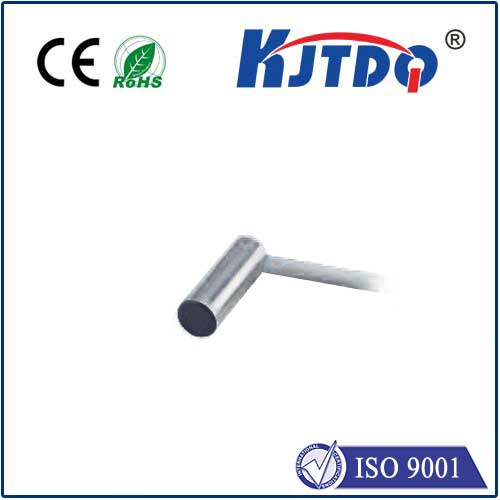
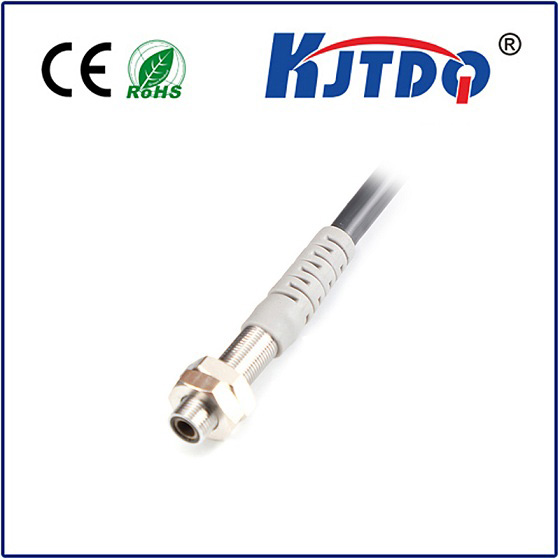
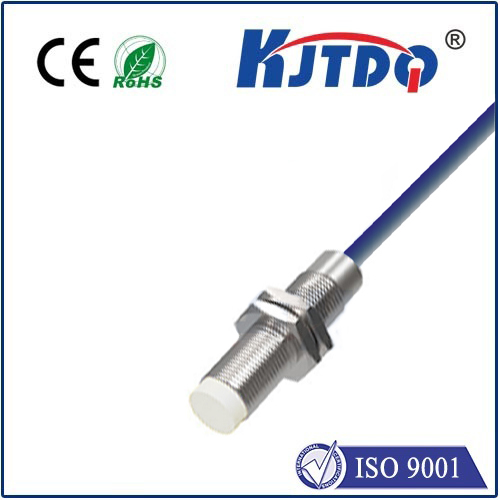
The M4 LJ4A3 is an inductive proximity sensor, a type renowned for its robustness in detecting metallic objects without physical contact. Its compact M4 threaded cylindrical housing is a key feature, allowing for easy installation in space-constrained applications. This design is particularly advantageous in complex machinery where saving every millimeter counts. The sensor operates on a standard voltage range, ensuring compatibility with a wide array of industrial control panels and PLCs (Programmable Logic Controllers).
Performance is where the LJ4A3 model truly excels. It offers a precise sensing distance, consistently detecting target objects with high repeatability. This consistency is crucial for applications such as position verification on assembly lines, counting parts on conveyor belts, or ensuring the correct placement of components in automated machinery. The sensor's switching frequency is optimized for high-speed operations, enabling it to keep pace with fast production cycles without missing a beat. Furthermore, it boasts excellent resistance to environmental challenges commonly found in industrial settings, including oil, coolant splashes, and dust ingress, often conforming to IP67 protection standards.
Reliability is engineered into its core. Built with high-quality materials, the M4 LJ4A3 is designed for long-term operation, minimizing downtime and maintenance costs. Its stable performance reduces false triggers, which are a common source of production line stoppages. This translates directly into increased operational efficiency and productivity. For engineers and system integrators, this reliability means fewer callbacks and a more stable system overall.
The application scope for this sensor is vast. It is indispensable in automotive manufacturing for robot arm positioning and part presence detection. In packaging industries, it ensures proper filling levels and label positioning. Within the realm of material handling, it facilitates precise palletizing and sorting. Its versatility also extends to machine tools, where it can be used for tool breakage detection or monitoring spindle position.
Integration into existing systems is straightforward. The sensor typically features a standard cable or connector output, simplifying wiring. Many variants come with LED status indicators, providing immediate visual feedback for diagnostics, which is invaluable for troubleshooting. When selecting a sensor like the M4 LJ4A3, it is essential to consider factors such as the target material (ferrous or non-ferrous metals), the required sensing range, and the electrical output type (NPN or PNP) to ensure perfect harmony with the control system.
In conclusion, the Proximity Sensor M4 LJ4A3 represents a blend of compact design, precise performance, and rugged reliability. It is more than just a component; it is a foundational element that supports the intelligence and efficiency of automated systems. By choosing such a proven sensor, businesses invest in the smooth, uninterrupted flow of their operations, safeguarding productivity and quality in an increasingly competitive industrial world. Its role in enabling precise, contactless detection continues to be a cornerstone of innovation in automation technology.