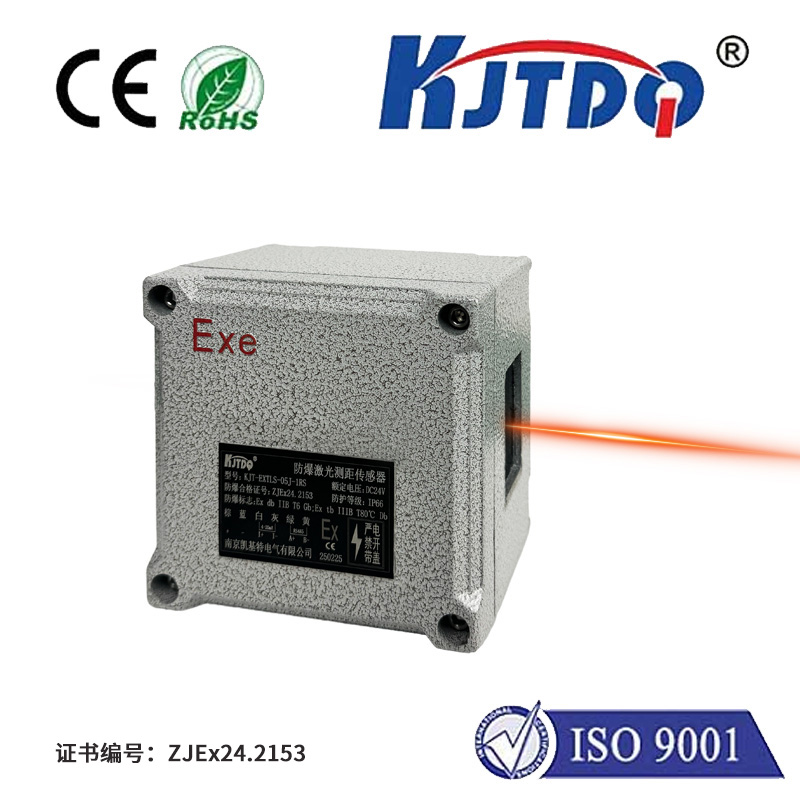
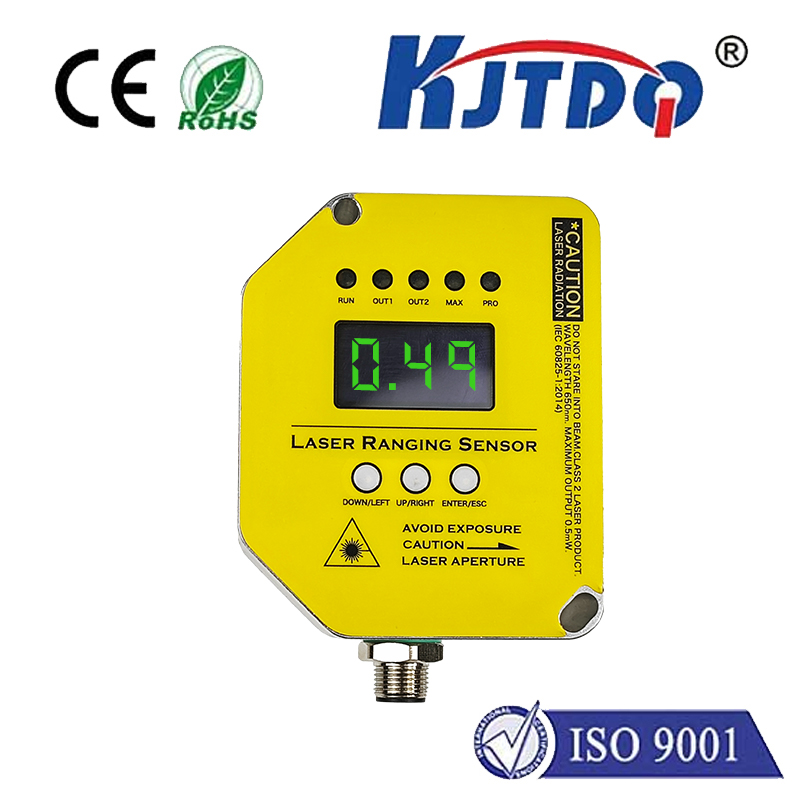
In modern industrial automation and electronic applications, the demand for precise, reliable, and durable sensing solutions is paramount. Among the various technologies available, the 12V DC proximity sensor stands out as a fundamental component, powering countless systems from factory floors to smart devices. This article delves into the functionality, applications, and key advantages of these versatile sensors, with a focus on how models like the KJTDQ series are engineered to meet rigorous operational demands.
A 12V DC proximity sensor is a non-contact electronic device designed to detect the presence or absence of an object within its sensing range without any physical contact. Operating on a 12-volt direct current power supply—a common and stable voltage in automotive, control panels, and embedded systems—these sensors offer a practical balance between performance and power consumption. They typically emit an electromagnetic field or a beam of electromagnetic radiation (such as infrared or inductive signals), and a change in the field or return signal indicates the presence of a target object. The output is then a digital signal, often used to trigger an action in a connected circuit, programmable logic controller (PLC), or microcontroller.
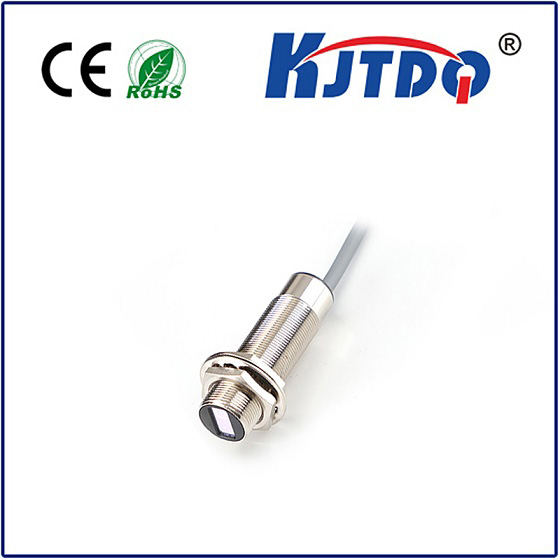
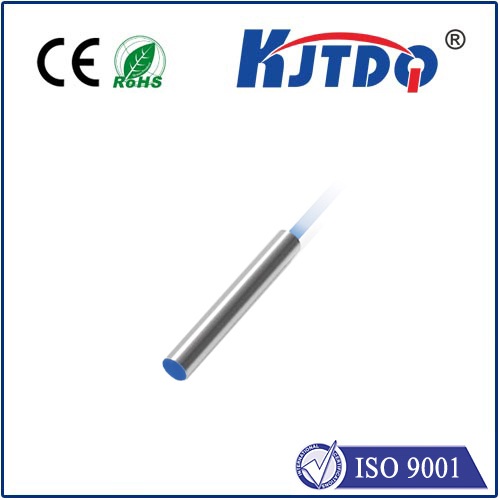
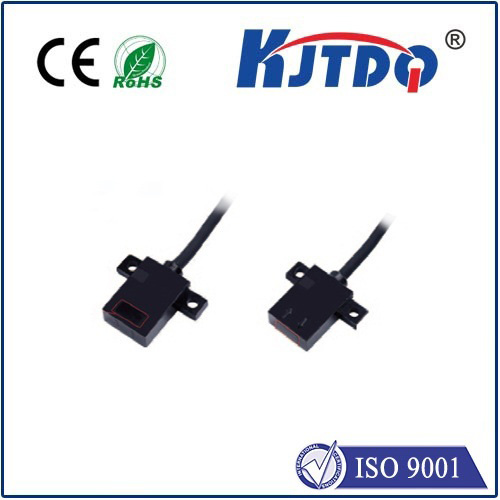
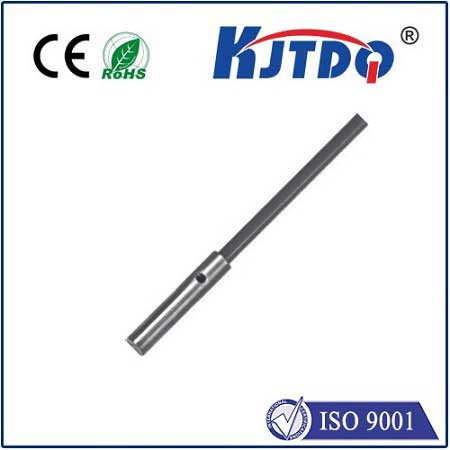
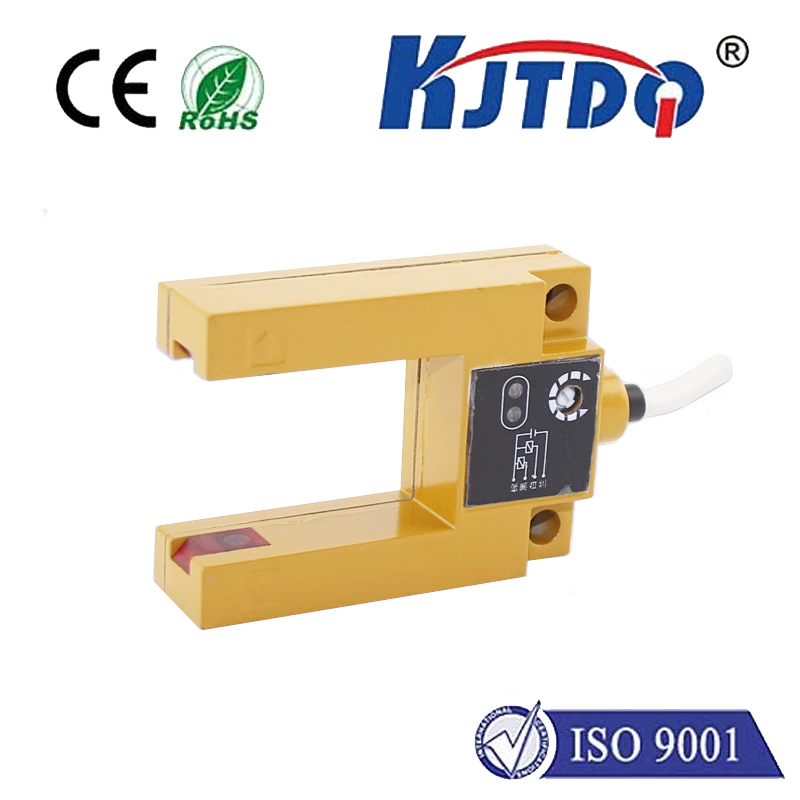
The core principle behind many 12V DC proximity sensors is inductive sensing, ideal for detecting metallic objects. However, capacitive variants can detect non-metallic materials like plastic, wood, or liquids, while photoelectric sensors use light beams. The 12V DC specification ensures compatibility with a wide array of standard power sources, eliminating the need for complex voltage regulators and simplifying integration into existing 12V systems commonly found in vehicles, conveyor belts, and machinery.
Applications for these sensors are vast and critical. In manufacturing, they are indispensable for position sensing, object counting on production lines, and ensuring machine safety by detecting the correct placement of parts. Within the automotive industry, they monitor fluid levels, gear positions, and door closures. For DIY enthusiasts and in home automation, 12V DC sensors can be found in projects involving security systems, robotic navigation, and smart appliances, where their low voltage operation enhances safety. The reliability of a well-designed sensor, such as those in the KJTDQ line, minimizes false triggers and ensures consistent performance even in environments with dust, moisture, or temperature variations.
Choosing a robust 12V DC proximity sensor like the KJTDQ model brings several tangible benefits. First is reliability: these sensors are built for long-term operation with minimal maintenance, featuring solid-state designs with no moving parts that can wear out. Their non-contact nature prevents damage to both the sensor and the target object. Second is speed; they can detect objects at high frequencies, making them suitable for fast-moving assembly lines. Third is the simplicity of installation and wiring, thanks to the standardized 12V DC interface. Furthermore, many models offer various output types (NPN or PNP transistor outputs) to match different control system requirements, providing design flexibility.
When selecting a 12V DC proximity sensor for a specific task, key specifications must be considered. The sensing range, which defines the maximum distance at which the sensor can reliably detect an object, is crucial. The type of material to be detected determines whether an inductive, capacitive, or photoelectric sensor is needed. Environmental factors like temperature extremes, exposure to chemicals, or potential washdowns require sensors with appropriate ingress protection (IP) ratings. The physical size and housing material (often nickel-plated brass or stainless steel) also play a role in fitting mechanical constraints and resisting corrosion.
The integration of a 12V DC proximity sensor into a system is typically straightforward. It involves connecting the power leads (positive and negative) to the 12V DC supply and linking the output wire to the input of a controller, such as a relay, PLC, or Arduino. Proper shielding and cable routing are recommended in electrically noisy environments to prevent interference. Regular testing and calibration, though rarely needed for high-quality units, ensure ongoing accuracy.
In conclusion, the 12V DC proximity sensor is a cornerstone of efficient and intelligent system design. Its ability to provide accurate, contactless detection with robust performance under a common voltage standard makes it an invaluable tool across industries. Products engineered to high standards, exemplified by the KJTDQ series, deliver the durability and precision required for demanding applications, from heavy industrial automation to precise electronic projects. By understanding their operation and specifications, engineers and technicians can effectively harness these sensors to create safer, more efficient, and more automated processes, driving productivity and innovation forward.