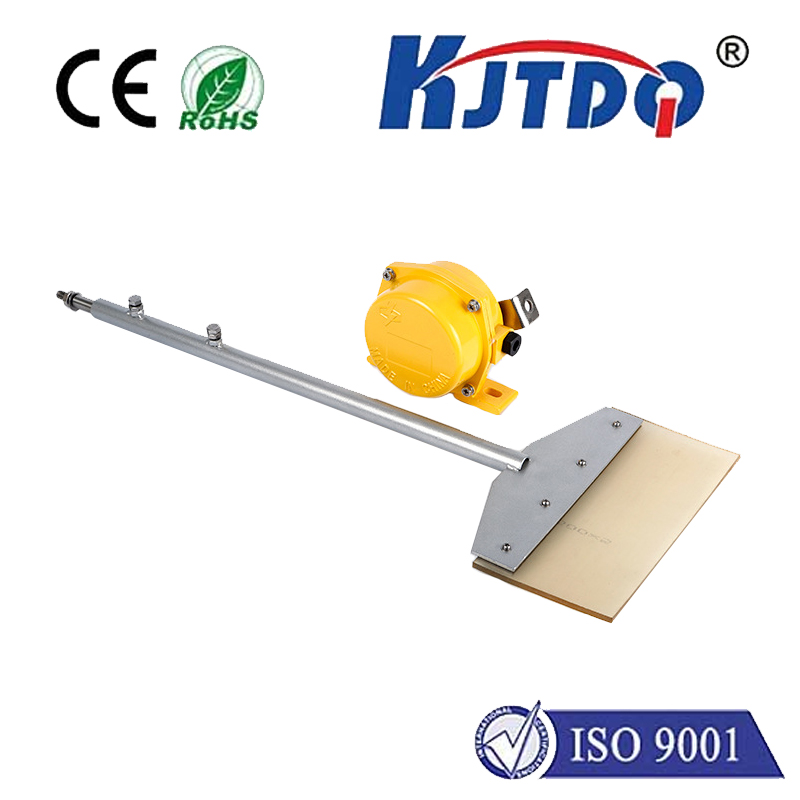
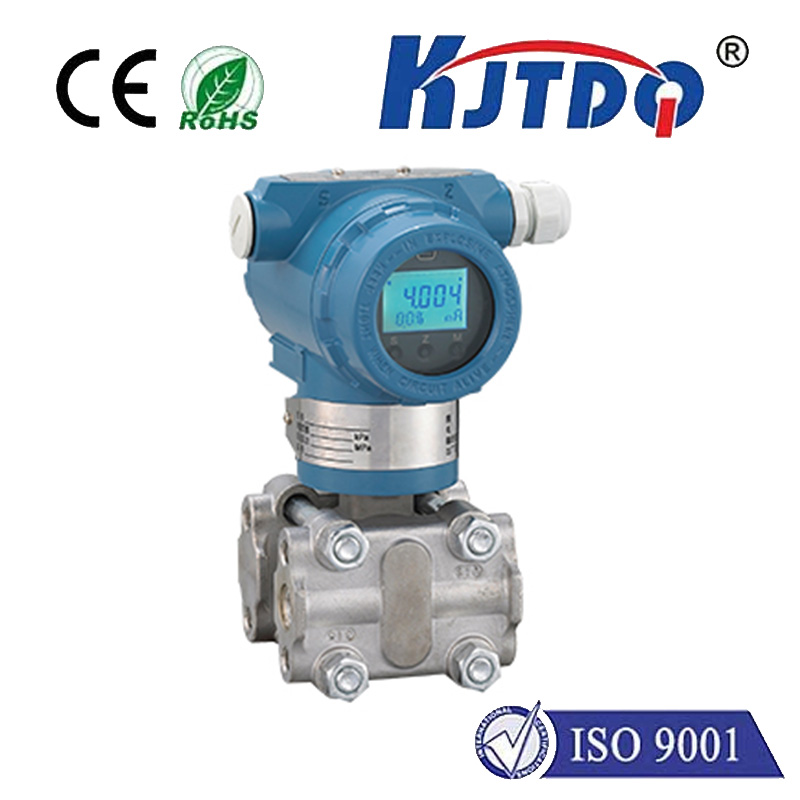
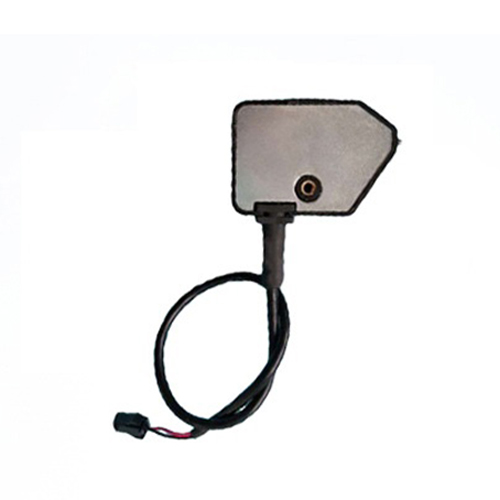
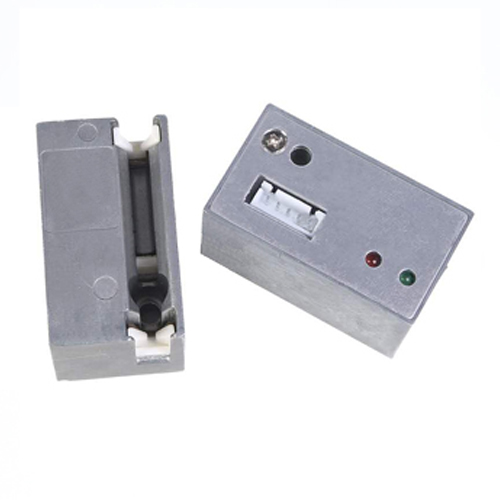
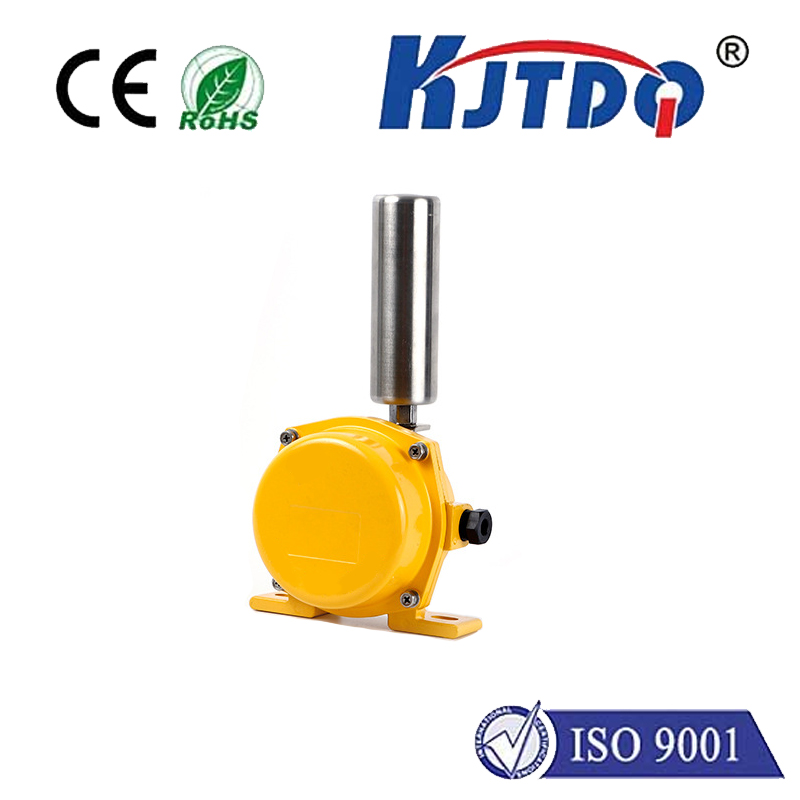
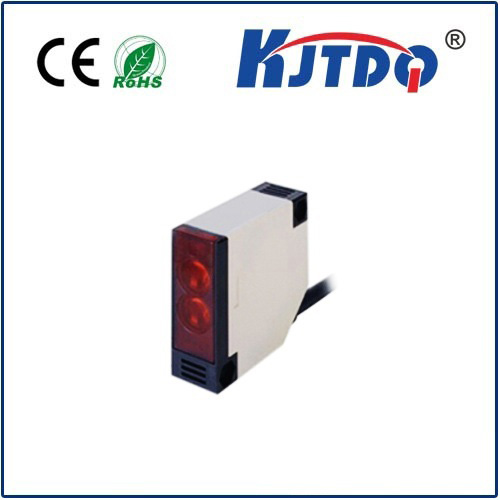
In demanding industrial environments where reliability and precision are non-negotiable, the high pressure proximity sensor stands as a critical component. These specialized sensors are engineered to operate flawlessly in conditions where standard sensors would fail, providing accurate detection and measurement even when subjected to extreme pressures, temperatures, and contaminants. Unlike conventional proximity switches, a high-pressure-rated sensor is built with robust housings, often from stainless steel or other hardened materials, and features seals that can withstand the intense forces within hydraulic systems, heavy machinery, and deep-sea equipment.
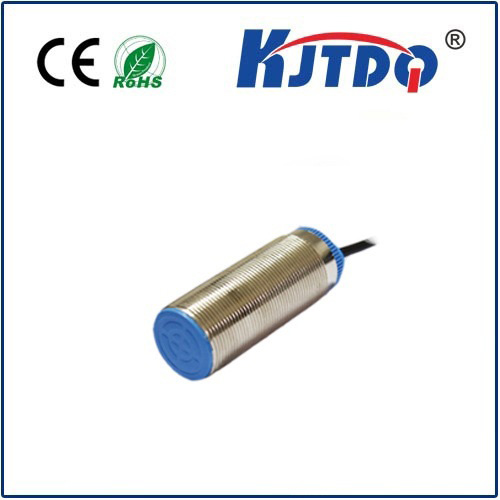
The core technology behind these sensors varies, with inductive, capacitive, and magnetic sensing principles being the most common. Inductive sensors, for instance, are ideal for detecting metallic targets in high-pressure hydraulic cylinders. Their sealed design prevents fluid ingress, ensuring the internal coil and electronics remain protected. The key advantage lies in their non-contact operation, which eliminates mechanical wear and allows for high-speed switching, crucial for monitoring piston position or valve actuation in real-time. This capability directly translates to improved system efficiency, predictive maintenance, and reduced downtime.
Selecting the right high pressure proximity sensor requires careful consideration of several technical parameters. Pressure rating is paramount; it must exceed the maximum operating pressure of the application, including potential pressure spikes. Ingress Protection (IP) and NEMA ratings define the sensor's resilience against dust and water, essential for wet or dirty environments. The sensing distance, output type (PNP/NPN, analog, or IO-Link), and temperature range must also align with the specific operational demands. For example, sensors used in offshore oil rigs or deep-well drilling must endure not only immense pressure but also corrosive elements and wide temperature fluctuations.
The applications for these rugged sensors are vast and vital. In the automotive industry, they monitor hydraulic pressures in stamping presses and die-casting machines. In manufacturing, they ensure precise positioning in high-pressure injection molding. The energy sector relies on them for subsea equipment monitoring and within the high-pressure loops of power generation plants. Furthermore, their use in aerospace, for testing and actuation systems, underscores their importance in safety-critical scenarios. The data provided by these sensors form the backbone of modern industrial automation, enabling smarter control systems and the Industrial Internet of Things (IIoT).
Installation and maintenance, while straightforward, demand attention to detail. Proper mounting, using the correct torque specifications, is crucial to maintain housing integrity and seal performance. Wiring should be protected from abrasion and conducted according to the manufacturer's guidelines to prevent electrical issues. Regular functional checks, as part of a routine maintenance schedule, can preempt failures. Modern sensors with diagnostic capabilities, such as those with IO-Link communication, can report their health status, providing alerts for conditions like switch point drift or potential seal degradation before a catastrophic failure occurs.
Ultimately, integrating a high-quality high pressure proximity sensor is an investment in operational integrity. It goes beyond simple object detection; it is about gaining a reliable data point in the harshest conditions. This reliability safeguards expensive machinery, ensures consistent product quality, and protects personnel by providing accurate system state information. As industries push the boundaries of performance and automation, the role of these durable and precise sensing components becomes ever more central, forming an invisible yet indispensable layer of intelligence within the industrial landscape.