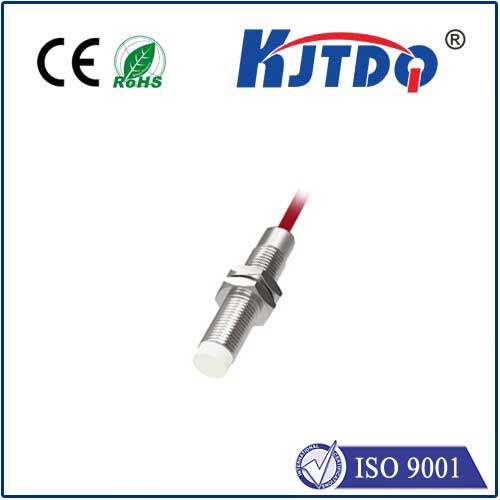
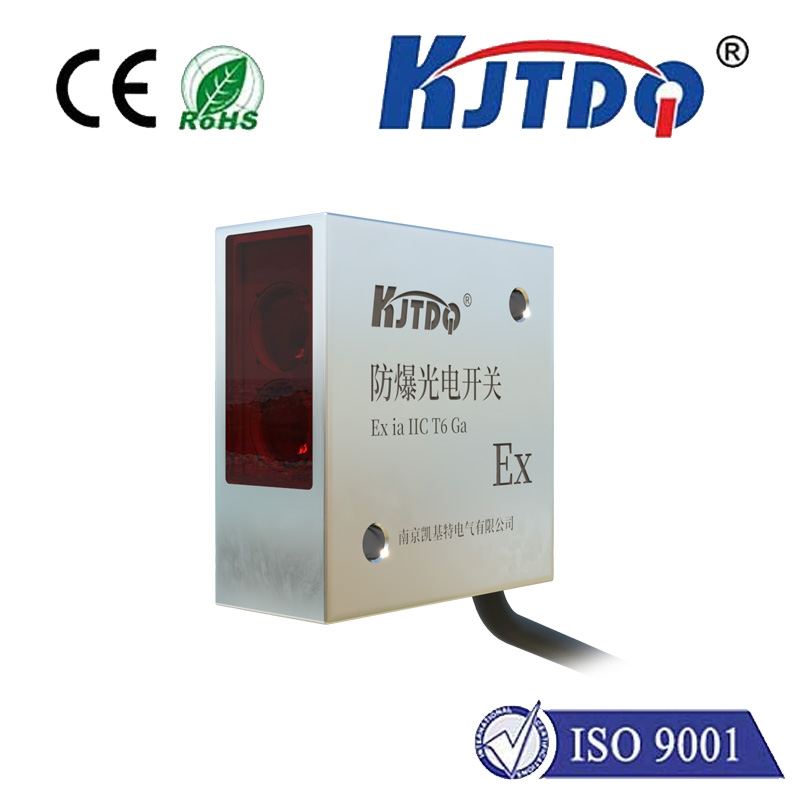
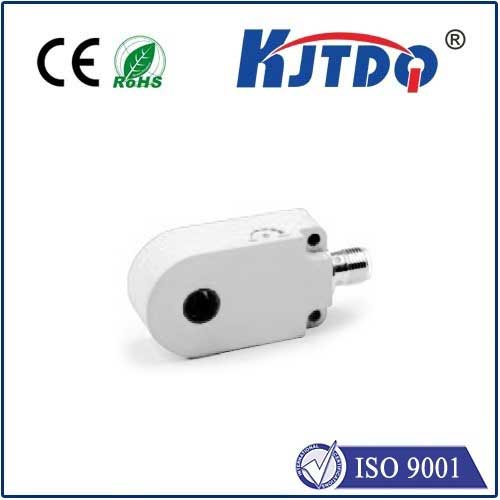
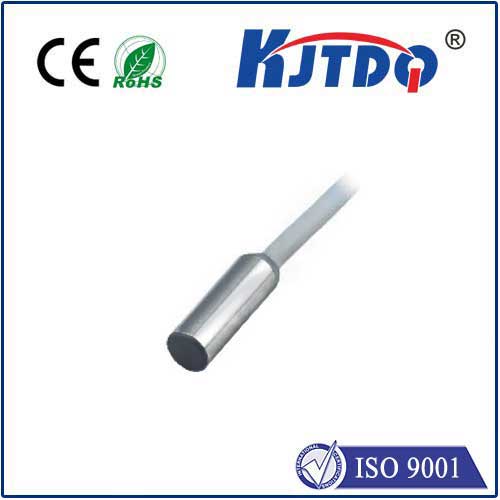
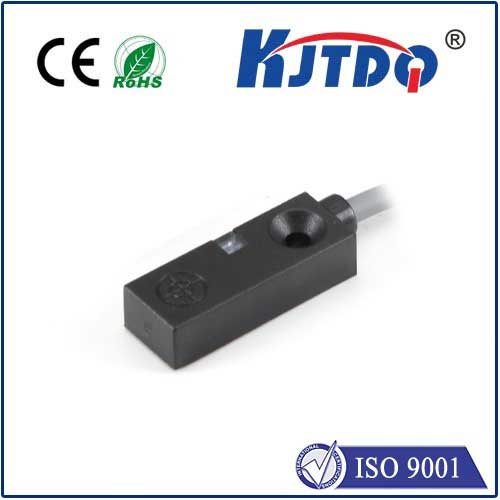
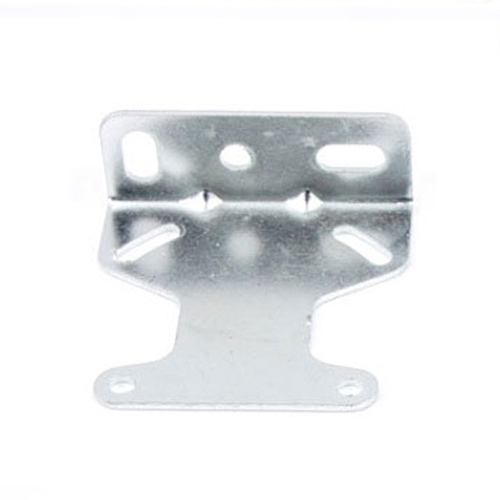
In the demanding world of industrial automation, reliability is non-negotiable. Equipment must perform consistently in harsh environments, detecting targets with unwavering precision. This is where the 8mm magnetic inductive proximity sensor, such as the KJTDQ series, establishes itself as a cornerstone component. Unlike standard sensors, this specific class is engineered for a unique set of challenges, offering a blend of durability, precision, and specialized functionality that is critical for modern manufacturing, packaging, and material handling systems.
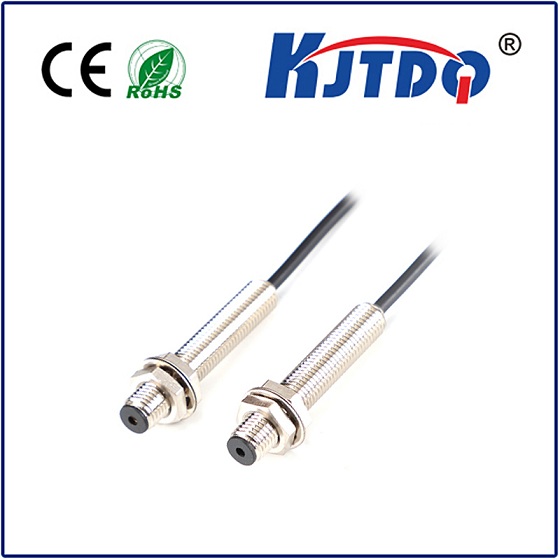
The core principle behind an 8mm magnetic inductive proximity sensor is its ability to detect ferrous metal targets—like steel and iron—without any physical contact. It generates an electromagnetic field from its 8mm diameter sensing face. When a ferrous metal object enters this field, it induces eddy currents within the target, which in turn dampens the sensor's own oscillation. The sensor's circuitry detects this change and triggers a solid-state switching signal. The "8mm" designation refers to the sensor's thread size and overall compact form factor, making it ideal for installations where space is at a premium. The KJTDQ variant typically incorporates advanced shielding, allowing for flush mounting in metal without false triggering, a feature that drastically simplifies mechanical design.
The advantages of opting for an 8mm magnetic inductive sensor like the KJTDQ model are numerous and directly impact operational efficiency. First and foremost is its exceptional environmental resilience. These sensors are completely sealed, often rated IP67 or higher, making them impervious to dust, dirt, oil, coolants, and water jets. This allows them to thrive in dirty machining centers, wet washdown areas in food processing, or dusty woodworking shops. Their solid-state construction, with no moving mechanical parts, translates to a virtually limitless mechanical lifespan, free from the wear and tear that plagues mechanical limit switches. They offer high switching frequencies, capable of detecting rapidly passing objects on conveyor lines or counting fast-moving parts with high accuracy. Furthermore, their inherent immunity to ambient light, sound, and most non-metallic materials ensures stable operation without interference.
Typical applications for the 8mm magnetic inductive proximity sensor are found anywhere robust, non-contact detection of metal is required. A primary use is in CNC machining centers for tool position verification, workpiece presence detection, and door interlock safety systems. In automated assembly lines, they are used for part counting, verifying the presence of metal components before a robotic arm engages, or detecting the end position of a pneumatic cylinder—often by sensing a small metal flag on the piston rod. The KJTDQ series, with its specific performance characteristics, is particularly valued in high-speed packaging machinery for detecting metal lids or foil seals, and in material handling for monitoring metal conveyor chain links or detecting the position of metal pallets.
Selecting the right 8mm sensor requires careful consideration of several specifications beyond just the thread size. The sensing distance, or nominal range, is crucial; for an 8mm shielded sensor, this is typically around 2mm. Ensuring the target metal is within this range is essential for reliable operation. The output type must match the control system—be it a 2-wire AC/DC, 3-wire NPN (sinking), or 3-wire PNP (sourcing) configuration. Operating voltage range (e.g., 10-30V DC) and current rating must be compatible with the plant's power supply and PLC input modules. The housing material, usually nickel-plated brass or stainless steel in the KJTDQ line, should be chosen based on the need for chemical resistance. Finally, connection style, such as pre-wired cable or quick-disconnect plug, affects installation and maintenance ease.
Installation and maintenance are straightforward but require attention to detail for optimal performance. The sensor should be mounted securely using its M8 thread, taking care not to overtighten. For shielded models, they can be mounted flush with a metal bracket. It is critical to ensure the correct target material (ferrous metal) and size (should be at least equal to the sensor face) is used. Maintaining a stable power supply free from voltage spikes is recommended. While these sensors are largely maintenance-free, periodic checks for physical damage, buildup of metallic swarf on the sensing face, and verification of the output signal under normal operating conditions will ensure long-term reliability. The KJTDQ series is designed for such minimal upkeep, maximizing uptime.
In conclusion, the 8mm magnetic inductive proximity sensor represents a critical fusion of ruggedness and precision. The KJTDQ series exemplifies this by providing a dependable, long-lasting solution for the core sensing needs in automated industrial environments. Its ability to operate flawlessly amidst contaminants, vibration, and temperature variations makes it an indispensable tool for engineers seeking to enhance system reliability, reduce maintenance costs, and improve overall productivity. When the application demands fail-safe detection of metal in a compact, tough package, the 8mm inductive sensor is not just an option; it is the definitive industrial choice.