Проверка
Проверка
Проверка
Проверка
Проверка
Проверка
In the world of industrial automation and machine control, the ability to reliably detect the presence or absence of an object is fundamental. Among the various sensing technologies available, the PNP proximity sensor stands out for its robustness and widespread application. This guide delves into the core principles, advantages, and practical considerations of using PNP proximity sensors, providing essential knowledge for engineers, technicians, and procurement specialists.
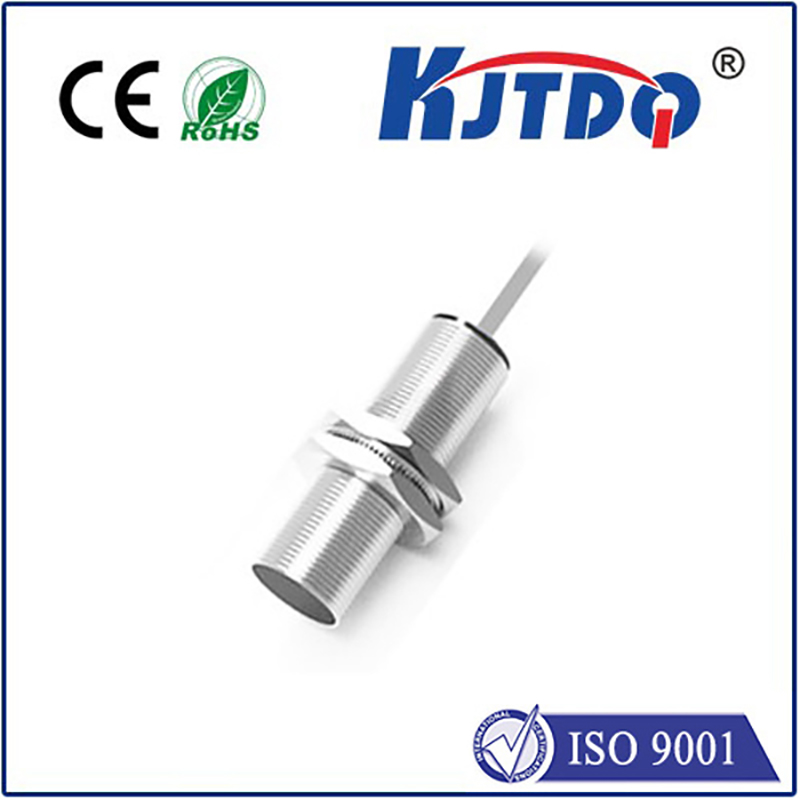
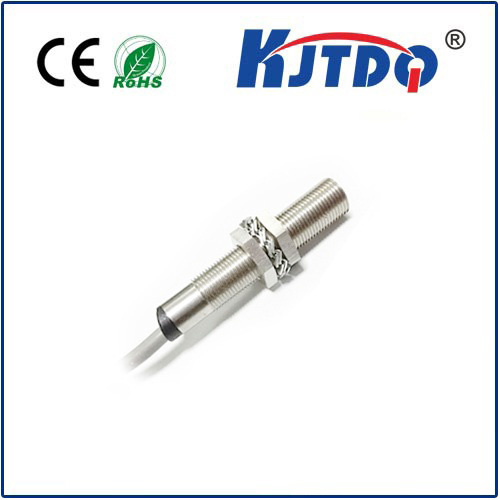
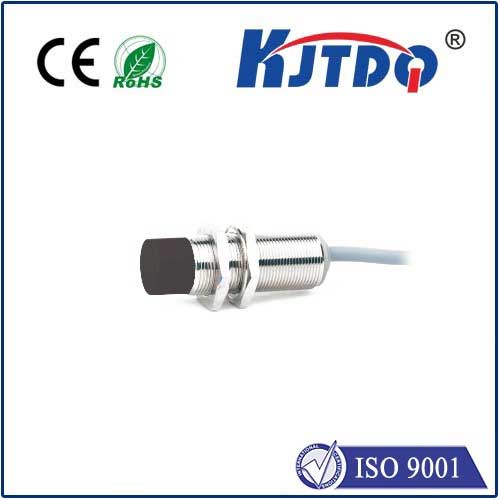
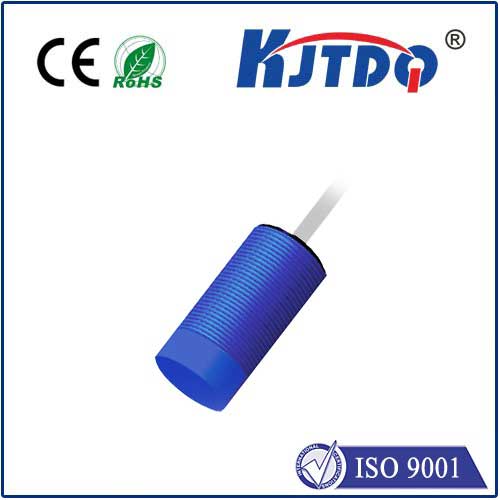
At its heart, a PNP proximity sensor is a type of solid-state electronic sensor that detects metallic objects without physical contact. It operates on the principle of electromagnetic induction. The sensor generates a high-frequency oscillating electromagnetic field from its active face. When a metallic target enters this field, eddy currents are induced on the target's surface. These currents absorb energy from the oscillator, causing its amplitude to decrease. This change is detected by the sensor's circuitry, which then triggers a switching action. The term "PNP" refers to the type of transistor output used in the sensor's switching circuit. In a PNP configuration, the output wire acts as the source of positive current. When the sensor is activated (target detected), it switches the output to connect to the positive supply voltage (+V), allowing current to flow *from* the sensor's output terminal *to* the load (like a PLC input). This is often described as "sourcing" output.
This characteristic leads to one of the primary advantages of the PNP sensor: its common compatibility with programmable logic controllers (PLCs) and other control systems that are designed to receive a sourcing input signal. Wiring a PNP sensor is typically straightforward. The brown wire (common standard) connects to the positive DC supply voltage, the blue wire to the negative or common (0V), and the black wire is the switched PNP output that goes to the PLC input. This logical wiring scheme reduces installation errors.
Compared to its counterpart, the NPN sensor (which sinks current to ground), the PNP sensor offers distinct benefits in many scenarios. Its sourcing nature often provides better noise immunity in electrically noisy industrial environments, leading to more stable signal transmission. Furthermore, in safety-critical applications where a "high" signal (positive voltage) is required to indicate a safe or normal state, PNP outputs are frequently the preferred choice. Their reliability in detecting ferrous metals like steel and iron is exceptionally high, with sensing ranges that are precise and repeatable.
Selecting the right PNP proximity sensor requires attention to several key specifications. The sensing range, typically a few millimeters to tens of millimeters, must be appropriate for the application to avoid false triggers or missed detections. The housing material is crucial; stainless steel bodies offer superior resistance to chemicals and physical impact, while nickel-plated brass or plastic housings suit less demanding environments. The electrical specifications, such as operating voltage (commonly 10-30V DC) and output current capacity, must match the control system's requirements. Environmental factors like temperature extremes, presence of cutting fluids, or washdown conditions dictate the need for sensors with high IP (Ingress Protection) ratings, such as IP67 or IP69K.
Practical application examples abound. On a conveyor line, a PNP sensor can count passing metal packages. In a robotic cell, it can confirm the correct positioning of a metal fixture or tool. Within an assembly machine, it can verify the presence of a metal component before a welding cycle begins. Its non-contact nature ensures no wear and tear on the sensor or the target, leading to minimal maintenance and a long operational life, often measured in millions of cycles.
Installation best practices are vital for optimal performance. Ensuring the sensor is mounted securely to prevent vibration-induced errors is paramount. Maintaining the recommended lateral and axial distance from other metal objects (including the mounting bracket) prevents shielding and reduces the effective sensing range. For sensing non-ferrous metals like aluminum or copper, sensors with a reduced factor (e.g., 0.3 to 0.5 times the rated range for steel) must be selected and tested accordingly.
In conclusion, the PNP proximity sensor remains a cornerstone of modern industrial sensing. Its simple sourcing output, proven reliability, and adaptability to harsh conditions make it an indispensable tool for designers and maintainers of automated systems. By understanding its operating principle, key selection criteria, and installation nuances, professionals can ensure they deploy these sensors effectively, enhancing machine efficiency, safety, and overall productivity. For reliable, no-contact detection of metallic objects, the PNP proximity sensor continues to be a trusted and optimal solution.