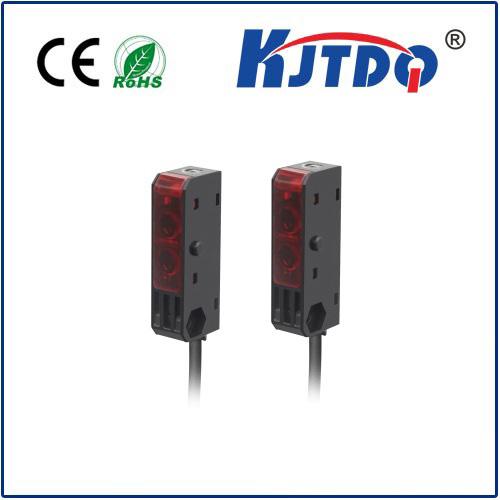
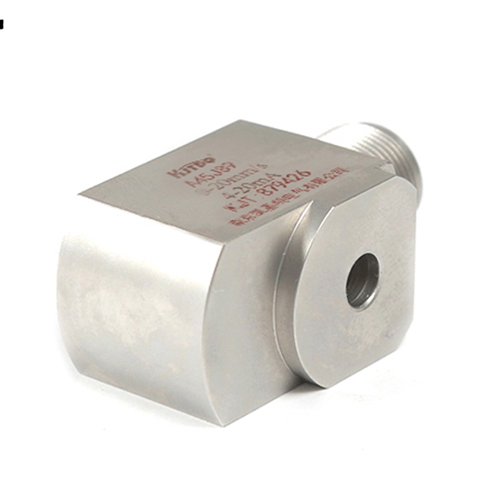
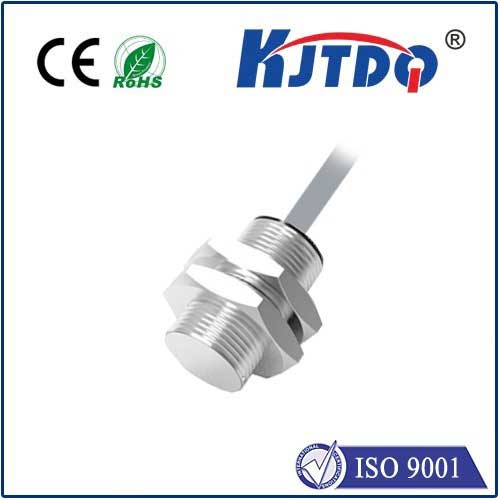
In the rapidly evolving landscape of industrial automation, precision and reliability are non-negotiable. The 4mm M12 proximity sensor switch stands as a cornerstone component, enabling seamless detection and control in confined spaces and demanding environments. This compact yet powerful device exemplifies the technological advancements driving efficiency and safety in modern manufacturing, packaging, and assembly lines.
The defining feature of this sensor is its 4mm sensing distance. This ultra-short range is not a limitation but a strategic design choice for applications requiring high-precision positioning. It is ideal for detecting small objects, verifying the presence of components on a circuit board, monitoring minute movements in intricate machinery, or ensuring precise alignment in robotic arms. The minimal sensing gap reduces the risk of false triggers from background objects, ensuring exceptionally accurate and repeatable operation.
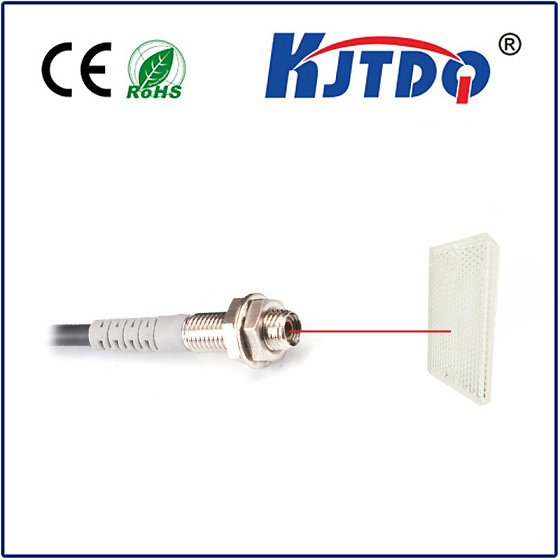
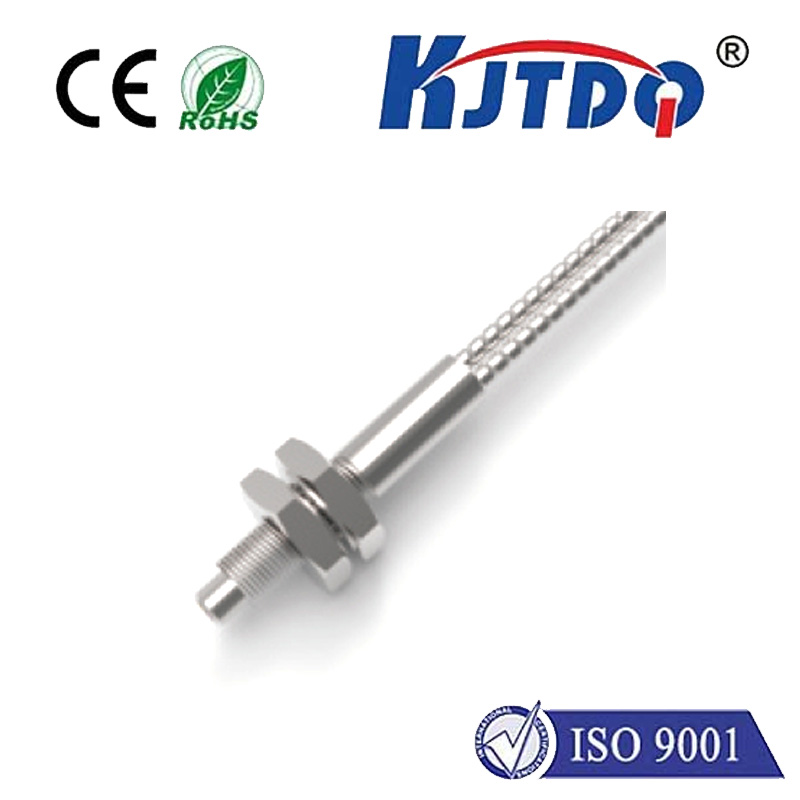
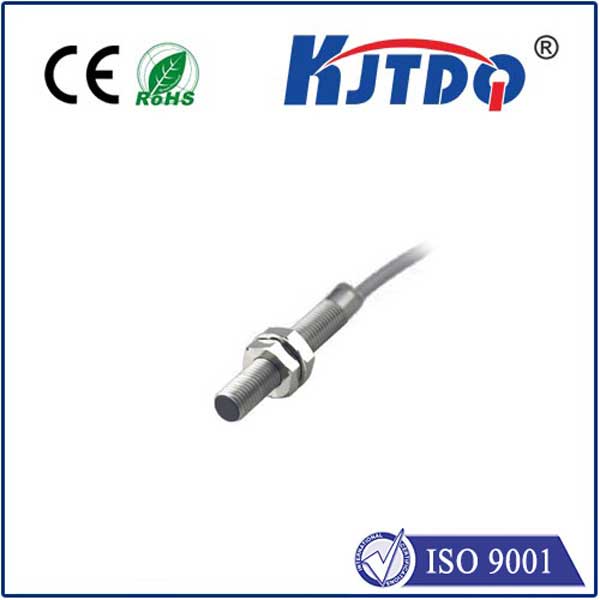
Encased in a robust M12 housing, the sensor offers significant mechanical durability and ease of installation. The standardized M12 connector is a ubiquitous interface in industrial settings, allowing for quick, tool-less connection and disconnection. This drastically reduces wiring complexity and downtime during maintenance or system reconfiguration. The cylindrical M12 body, typically made of nickel-plated brass or stainless steel, provides excellent resistance to vibration, shock, and exposure to common industrial coolants and oils.
These proximity switches operate on a non-contact principle, most commonly using inductive or capacitive sensing technology. Inductive sensors are perfect for detecting metallic targets, such as steel, aluminum, or copper. When a metal object enters the sensor's electromagnetic field, it causes a change in oscillation, which the sensor's circuitry detects and converts into a clean electrical output signal. Capacitive sensors, on the other hand, can detect both metallic and non-metallic materials, including liquids, plastics, and glass, by measuring changes in capacitance. This versatility makes the 4mm M12 sensor adaptable to a vast array of material handling tasks.
The output from these sensors is typically a discrete ON/OFF signal, provided via PNP (sourcing) or NPN (sinking) transistor configurations. This digital signal interfaces directly with Programmable Logic Controllers (PLCs), motor drives, and other control systems, forming the essential feedback loop for automated processes. Advanced models may feature short-circuit protection, reverse polarity protection, and LED status indicators for operational diagnostics, enhancing system robustness.
Implementing 4mm M12 proximity sensor switches translates into tangible operational benefits. Their small size allows for installation in tight locations where larger sensors cannot fit, enabling more compact machine designs. High switching frequencies allow for the detection of very fast-moving objects on high-speed production lines. The non-contact nature eliminates mechanical wear and tear, granting them a virtually infinite operational lifespan compared to mechanical limit switches. This leads to reduced maintenance costs, higher machine availability, and improved overall equipment effectiveness (OEE).
Common applications are widespread across industries. In electronics manufacturing, they verify the placement of tiny surface-mount devices. In automotive assembly, they ensure fasteners are present before a torque wrench engages. In packaging machinery, they count small items on a conveyor or control the fill level of containers. They are also integral to robotic end-effectors, providing critical feedback for pick-and-place operations.
Selecting the right 4mm M12 sensor requires careful consideration of the target material, required output type, environmental conditions (such as temperature and presence of washdown chemicals), and electrical specifications. Proper installation is also crucial; ensuring the correct mounting, adequate clearance from metal surfaces, and secure connections will guarantee optimal performance and longevity.
In conclusion, the 4mm M12 proximity sensor switch is a critical enabler of modern micro-positioning and detection tasks. Its compact form factor, standardized connection, rugged construction, and reliable non-contact sensing make it an indispensable component for engineers designing smarter, more efficient, and more reliable automated systems. By providing a precise and durable "sense of touch" to machinery, these sensors form the foundational layer of data acquisition that drives the Industry 4.0 revolution.