Проверка
Проверка
Проверка
Проверка
Проверка
Проверка
In the demanding landscape of industrial automation, the reliability and precision of sensing components are non-negotiable. Among the myriad of options, proximity sensors and reed sensors, particularly those operating at 24VDC with robust power handling like 500W, stand out as critical workhorses. These devices form the silent, intelligent backbone of countless systems, from conveyor belts and robotic arms to safety interlocks and fluid level monitoring. Understanding their distinct functionalities and optimal applications is key to designing efficient, fail-safe operations.
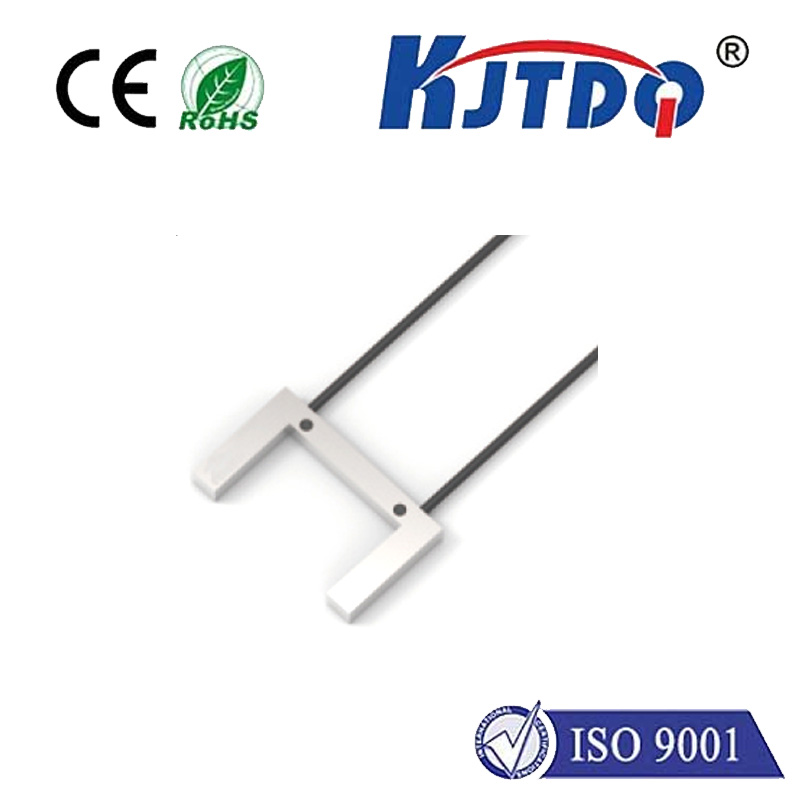
A proximity sensor is an electronic device that detects the presence or absence of an object within its sensing range without physical contact. Utilizing technologies like inductive, capacitive, or photoelectric principles, it generates an output signal when a target enters its field. The 24VDC specification is a standard in industrial control panels, offering a stable voltage level that ensures compatibility with Programmable Logic Controllers (PLCs) and other control circuitry. The mention of 500W typically refers not to the sensor's own consumption, which is minimal, but to the switching capacity of its output relay or solid-state switch. A 500W rating indicates the sensor can directly control substantial loads, such as solenoid valves, contactor coils, or small motors, simplifying system design by often eliminating the need for an intermediary relay. This makes a 24VDC proximity sensor with high switching capacity a powerful and versatile component for direct control in harsh environments where dirt, oil, and vibration are present.
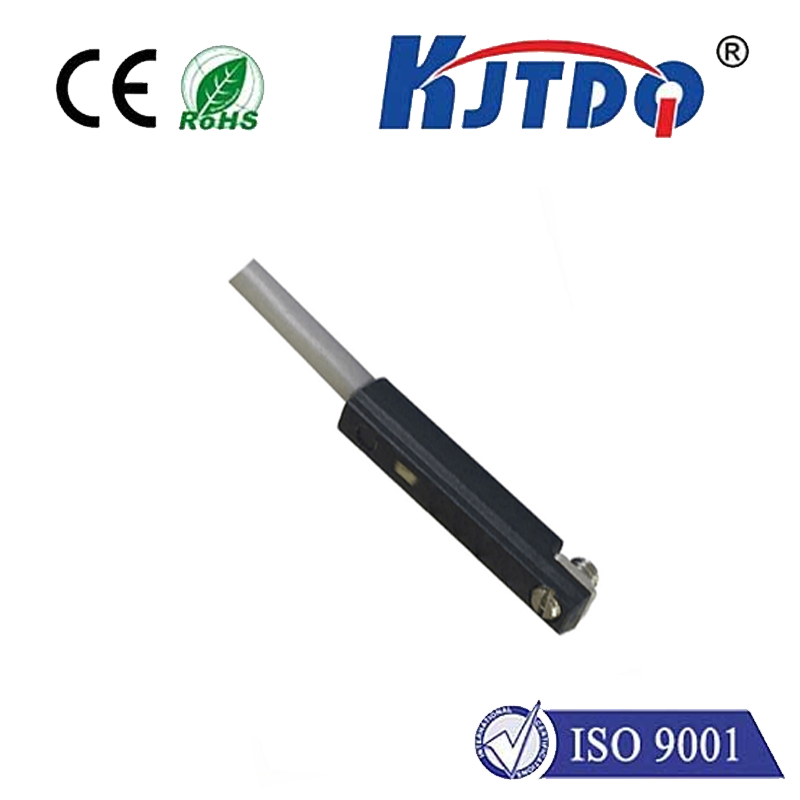
In contrast, a reed sensor operates on a simpler, yet highly reliable, magnetic principle. It consists of two ferromagnetic reed contacts sealed within a glass tube filled with inert gas. When a magnetic field from a permanent magnet or an electromagnet approaches, the contacts are drawn together, closing the circuit. Like its proximity counterpart, a reed sensor rated for 24VDC 500W offers the same advantage of direct high-power load switching. Its hermetically sealed contacts are immune to dust, humidity, and corrosion, making it exceptionally reliable for applications involving potentially explosive atmospheres or where long-term stability with minimal maintenance is required. Common uses include door and cover position sensing in machinery, liquid level detection using float magnets, and as a position feedback device in pneumatic or hydraulic cylinders.
The choice between a proximity sensor and a reed sensor hinges on the specific application requirements. Proximity sensors excel in non-contact detection of metallic objects (inductive) or any material (capacitive/photoelectric) with high switching frequencies and precise sensing distances. They are ideal for counting, positioning, and speed monitoring on production lines. Reed sensors, with their magnetic actuation, are perfect for scenarios requiring isolation between the sensing element and the actuator, or where the target is a permanent magnet. Their simplicity translates to excellent longevity when switching loads at lower frequencies.
Implementing a 24VDC 500W sensor, whether proximity or reed, demands attention to electrical specifications. The 24VDC power supply must be clean and well-regulated to prevent erratic operation. The 500W load rating must be respected concerning both voltage and current; for a 24VDC system, this implies a maximum current of approximately 20.8A (500W / 24V). It is crucial to ensure the inrush current of the connected load, especially inductive loads like motors or solenoids, does not exceed the sensor's surge rating. Proper wiring, using shielded cables for noise immunity in sensitive environments, and correct mounting as per manufacturer guidelines are essential for optimal performance and safety.
Ultimately, integrating high-quality proximity sensors or reed sensors with 24VDC operating voltage and 500W switching capability is a strategic decision for enhancing industrial automation. It streamlines control cabinet design, improves system reliability by reducing component count, and provides a direct interface for controlling significant power loads. By selecting the appropriate sensor technology for the task—proximity for versatile, active detection or reed for robust, magnetically actuated switching—engineers can build more resilient, efficient, and intelligent automated systems that meet the rigorous demands of modern industry.