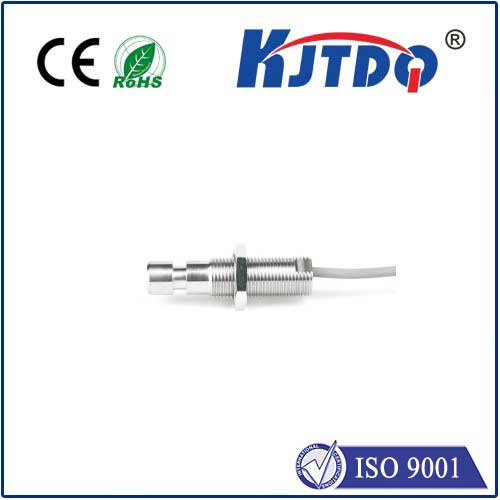
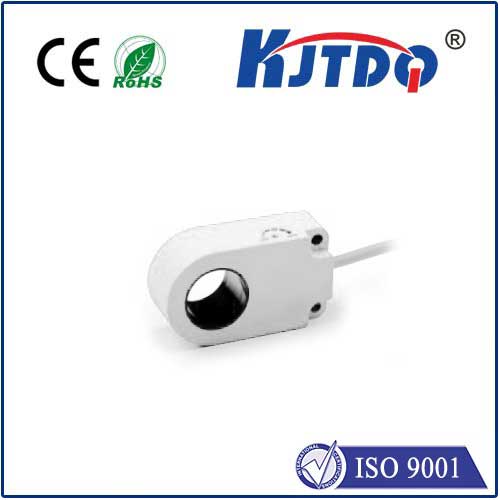
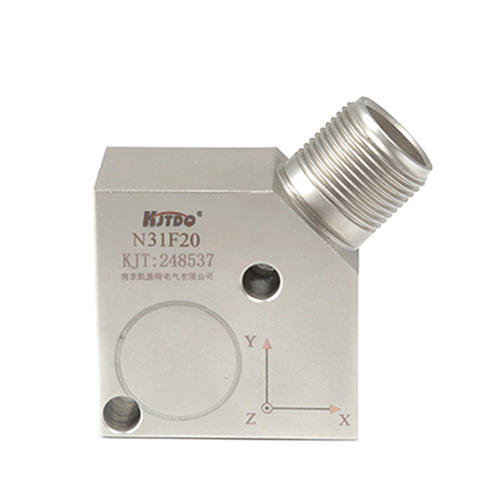
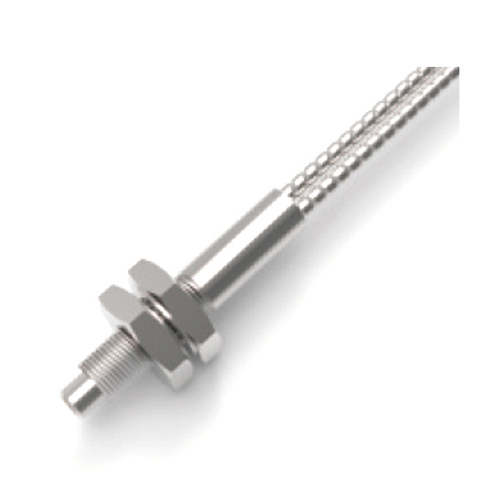
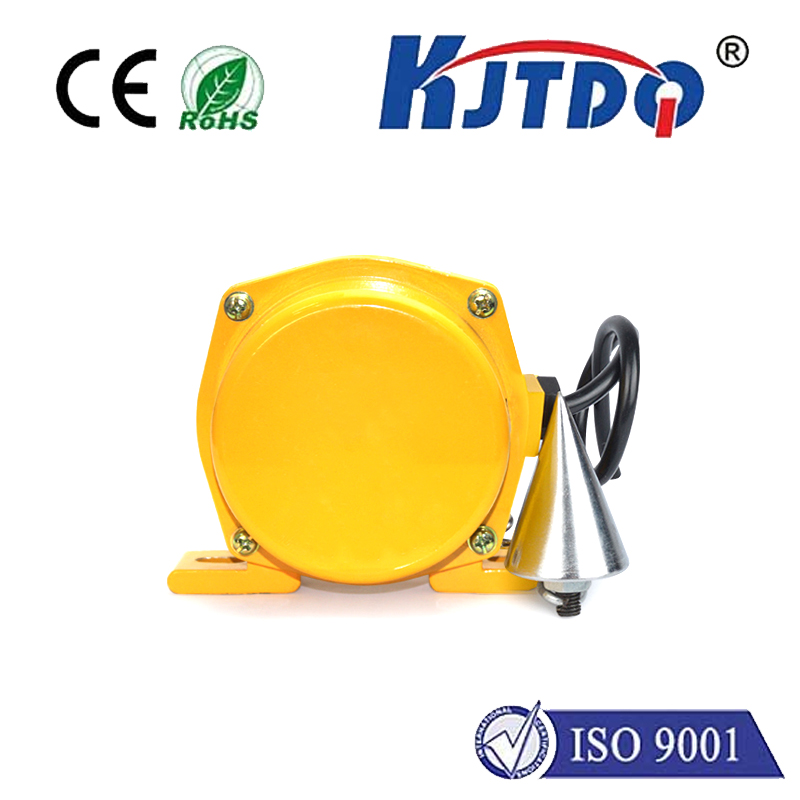
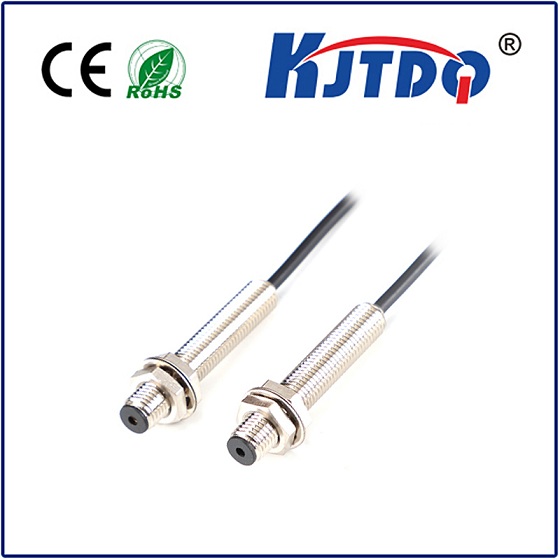
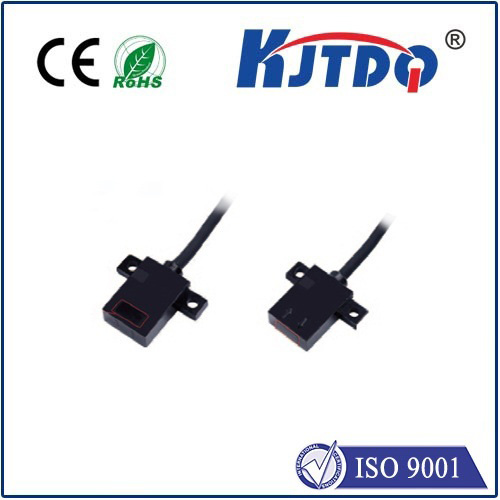
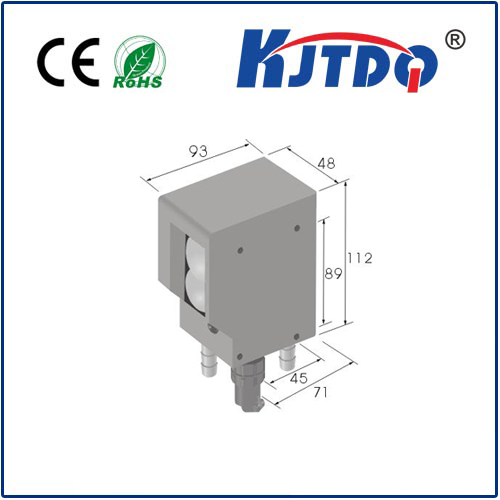
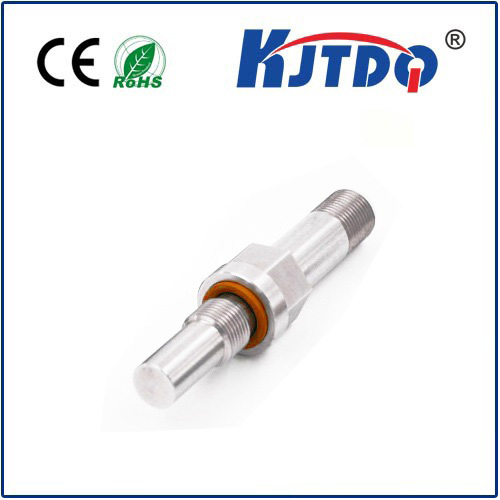
In modern building management and industrial automation, the integration of advanced sensing technologies has become pivotal for optimizing operations. Among these, the automatic door sensor proximity switch stands out as a critical component, seamlessly blending safety, convenience, and energy conservation. This device, often referred to in technical contexts as KJTDQ, utilizes proximity sensing to detect the presence of objects or individuals near doorways, triggering automatic opening and closing mechanisms without physical contact.
The core functionality of an automatic door sensor proximity switch relies on electromagnetic or infrared principles. When an object enters its detection range, the sensor sends a signal to the door's control system, initiating movement. This eliminates the need for manual operation, making it ideal for high-traffic areas such as hospitals, shopping malls, airports, and warehouses. By reducing touchpoints, these sensors also contribute to hygiene standards, a factor increasingly important in public health contexts.
One of the primary advantages of using a proximity switch in automatic doors is enhanced safety. Modern sensors are designed with fail-safe features, including obstacle detection that prevents doors from closing on people or objects, thereby minimizing accidents. Additionally, they can be integrated with access control systems to restrict unauthorized entry, bolstering security in sensitive environments like corporate offices or research facilities.
Energy efficiency is another significant benefit. Automatic doors equipped with proximity sensors minimize heat loss or gain by ensuring doors remain closed when not in use. In climate-controlled buildings, this leads to substantial reductions in HVAC energy consumption, aligning with sustainability goals and lowering operational costs. The KJTDQ models, in particular, are engineered for low power consumption and durability, offering long-term reliability even in demanding conditions.
Installation and maintenance of these sensors are straightforward, thanks to modular designs and compatibility with various door types, including sliding, swinging, and revolving doors. Regular calibration ensures consistent performance, while diagnostic features in advanced models allow for quick troubleshooting. For businesses, this translates to minimal downtime and cost-effective upkeep.
In industrial settings, automatic door sensor proximity switches facilitate smooth logistics by enabling hands-free passage for equipment and personnel. They are often used in cleanrooms, manufacturing plants, and loading docks, where efficiency and contamination control are paramount. The robustness of KJTDQ variants makes them resistant to environmental factors like dust, moisture, and temperature fluctuations, ensuring uninterrupted operation.
Looking ahead, innovations in IoT and smart building systems are further elevating the role of these sensors. Integration with network platforms enables remote monitoring, predictive maintenance, and data analytics for optimizing traffic flow. As automation trends grow, the demand for reliable, high-performance proximity switches like KJTDQ is set to rise, driving advancements in sensor accuracy and connectivity.
Ultimately, the automatic door sensor proximity switch represents more than just a convenience tool; it is a cornerstone of modern infrastructure that balances safety, efficiency, and sustainability. Whether in commercial, residential, or industrial applications, adopting such technology, including specialized KJTDQ units, can lead to smarter, safer, and more energy-conscious environments. By reducing human intervention and enhancing automated responses, these sensors pave the way for a future where seamless access control is standard.