In the world of industrial automation and machine control, precision and reliability are non-negotiable. Among the myriad of components that ensure seamless operation, the NPN NO 8 proximity sensor stands out as a fundamental workhorse. This guide delves deep into the specifics of this sensor type, explaining its operation, key advantages, and ideal applications, empowering you to make informed decisions for your projects.
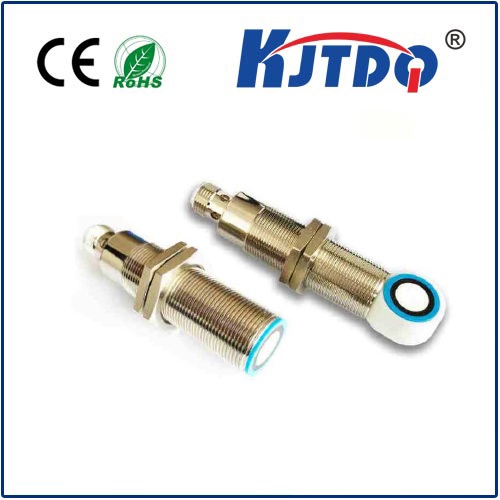
First, let's decode the terminology. "NPN NO 8" describes three critical characteristics of the sensor. "NPN" refers to the transistor output type. In an NPN sensor, the output acts as a switch to ground (negative voltage). When the sensor detects a target, it connects the load (like a PLC input) to the common ground, completing the circuit. This is the most common sinking output configuration. "NO" stands for Normally Open. In its default state (no target present), the output circuit is open, meaning no current flows. When a metal target enters the sensing range, the switch closes, allowing current to flow. The "8" typically denotes the sensor's diameter in millimeters, indicating a compact, cylindrical form factor ideal for installations with space constraints.
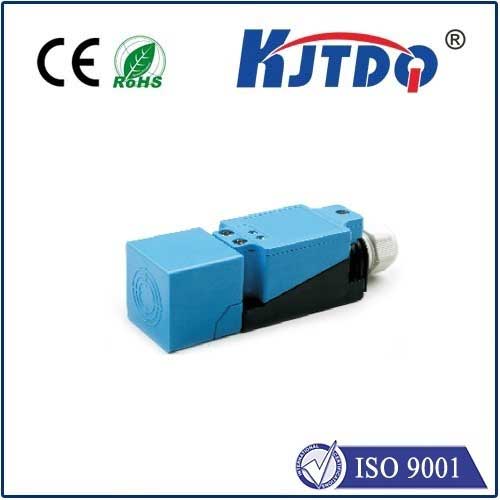
The operating principle behind an inductive NPN NO 8mm proximity sensor is electromagnetic induction. The sensor's face contains an oscillator coil that generates a high-frequency electromagnetic field. When a metallic object (ferrous or non-ferrous, depending on the sensor type) enters this field, eddy currents are induced on the target's surface. This causes a change in the oscillation amplitude, which is detected by the sensor's circuitry. This detection triggers the solid-state NPN transistor to switch, changing the output state.
Why choose an NPN NO 8mm proximity sensor? The benefits are substantial. Its compact 8mm barrel allows for installation in tight spaces where larger sensors cannot fit. The NPN output is widely compatible with a vast range of programmable logic controllers (PLCs) and input modules, particularly those designed for sinking inputs. The Normally Open configuration is intuitive for control logic; detection directly creates an active signal. Furthermore, being a non-contact device, it suffers no mechanical wear from repeated detection, leading to exceptional longevity and millions of operation cycles. It is immune to environmental factors like dust, oil, and moisture (with appropriate IP ratings), making it robust for harsh industrial environments.
Typical applications for this sensor are extensive. They are perfect for precise position detection on automated assembly lines, such as verifying the presence of a metal component in a fixture. They are used for counting metal objects on conveyors, monitoring the end position of pneumatic cylinders with metallic pistons, and ensuring proper indexing in rotary tables. In packaging machinery, they detect metallic parts of the mechanism to synchronize operations. Their small size also makes them suitable for integration into robotic grippers for part detection.
When integrating an NPN NO 8 proximity sensor, several practical considerations are crucial. Ensure the sensing distance, or "sn," is suitable for your application, typically a fraction of the nominal range for reliability. Always account for the reduction factor for different metals; sensing distance for stainless steel or aluminum is less than for mild steel. Correct wiring is paramount: the brown wire (usually) connects to the positive DC supply voltage (e.g., +24V), the blue wire to the common ground (0V), and the black wire is the NPN output, which goes to the PLC input. The load (PLC input) is connected between the black wire and the positive supply. A protective circuit or flyback diode might be necessary when driving inductive loads. Regular maintenance involves simply keeping the sensing face clean from metal debris buildup, which can affect performance.
In conclusion, the NPN NO 8mm proximity sensor is a versatile, durable, and highly reliable solution for countless non-contact detection tasks in automation. Its standardized design and widespread compatibility make it a go-to component for engineers and technicians. By understanding its operating principles—NPN sinking output, Normally Open logic, and compact 8mm design—you can effectively harness its capabilities to enhance machine efficiency, safety, and reliability. For any application requiring the precise, wear-free detection of metallic objects, this sensor proves to be an indispensable tool in the automation toolkit.