In the demanding world of industrial automation, reliability and safety are paramount. Among the myriad of components that keep complex machinery running smoothly, the proximity sensor stands out as a critical workhorse. Specifically, the 220VAC proximity sensor represents a robust solution designed for direct integration into high-voltage control systems, eliminating the need for additional power converters and simplifying cabinet design. This guide delves into the technology, applications, and key selection criteria for 220VAC proximity sensors, providing essential insights for engineers and maintenance professionals.
Unlike standard low-voltage sensors (e.g., 24VDC), a 220VAC proximity sensor operates directly on the alternating current commonly found in industrial power mains. This direct compatibility offers significant advantages. It reduces system complexity by removing the requirement for a separate DC power supply, saving space in control panels and minimizing potential points of failure. The design is inherently suited for environments where control logic is powered directly by AC voltage, ensuring seamless communication with contactors, motor starters, and PLC digital input modules rated for AC.
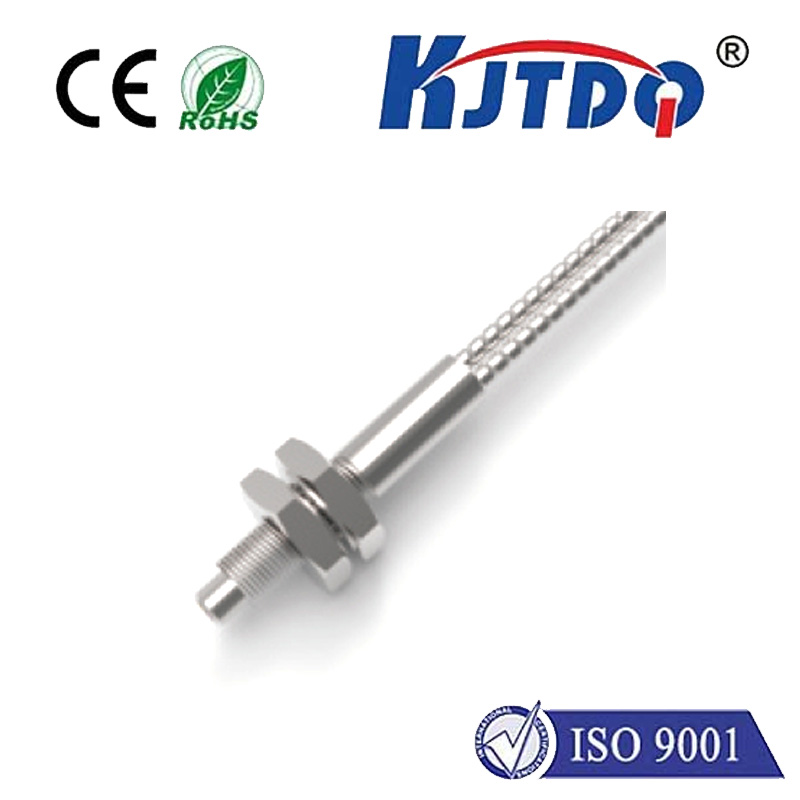
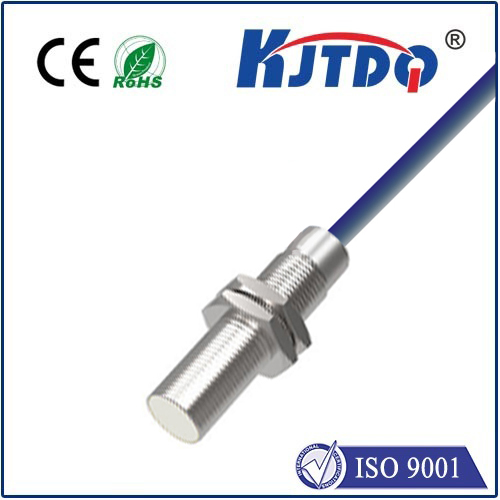
The core technology behind these sensors remains inductive sensing. The sensor generates an electromagnetic field from its active face. When a metallic object (the "target") enters this field, it induces eddy currents within the target, causing a change in the sensor's internal oscillation. This change is detected and converted into a solid-state switching signal. For 220VAC models, this output is typically a two-wire configuration, meaning the sensor is connected in series with the load. It's crucial to ensure a minimum "leakage current" when off and sufficient "on-state current" to reliably power the load, which is often a PLC input or a control relay coil.
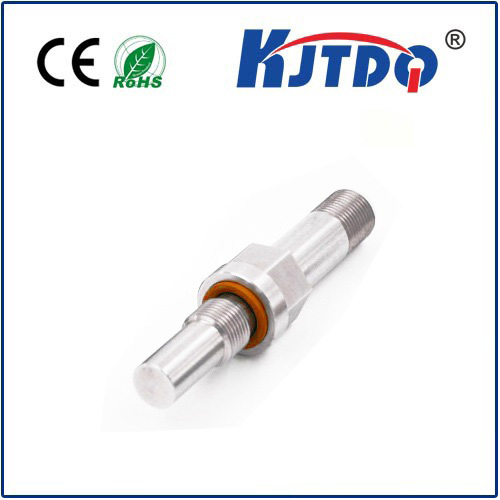
Key specifications demand careful attention when selecting a 220VAC proximity sensor. The sensing range, usually a few millimeters to around 15mm for standard cylindrical models, must be appropriate for the application. The housing material, often nickel-plated brass or stainless steel, provides resistance to corrosion, oils, and coolants. Ingress Protection (IP) ratings, such as IP67 or IP69K, indicate resilience against dust and high-pressure water jets, making them ideal for harsh washdown environments in food processing or automotive manufacturing. Additionally, factors like switching frequency (response speed), temperature tolerance, and short-circuit protection are vital for ensuring long-term, trouble-free operation.
The applications for 220VAC inductive proximity sensors are vast across factory floors. They are extensively used for non-contact position detection of metal parts: verifying the presence of a workpiece on a conveyor, confirming the end-of-travel position of a cylinder, or counting metallic objects. In machine safety, they can serve as interlock monitors on guard doors. Their rugged build allows them to thrive in areas with significant vibration, electrical noise, and ambient contaminants, where optical sensors might fail.
Installation and maintenance are straightforward but require adherence to electrical safety standards due to the high operating voltage. Proper mounting, ensuring the correct target material and approach angle, and avoiding sensor-to-sensor interference are essential for optimal performance. When troubleshooting, checking the supply voltage, verifying the load compatibility, and inspecting the sensor face for accumulated debris are the first recommended steps.
In conclusion, the 220VAC proximity sensor is a fundamental, robust component that bridges the gap between high-power industrial mains and precise control logic. Its direct AC operation, durability, and reliable non-contact sensing make it an indispensable tool for engineers designing or maintaining efficient, safe, and resilient automated systems. By understanding its principles and specifications, professionals can make informed decisions that enhance machine uptime and operational safety.