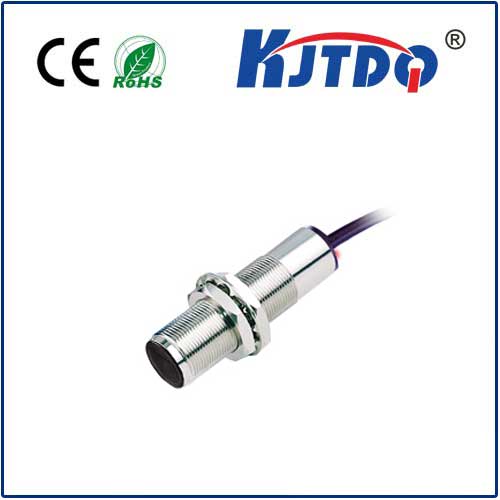
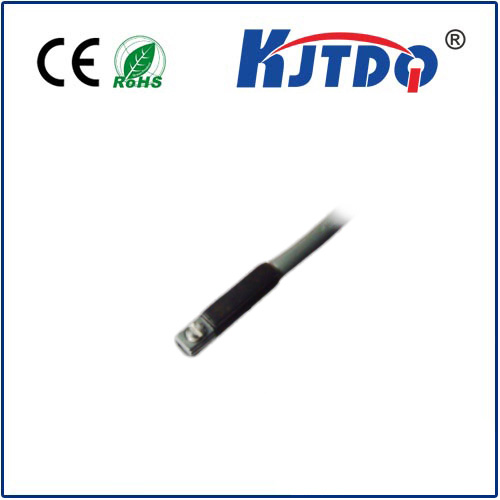
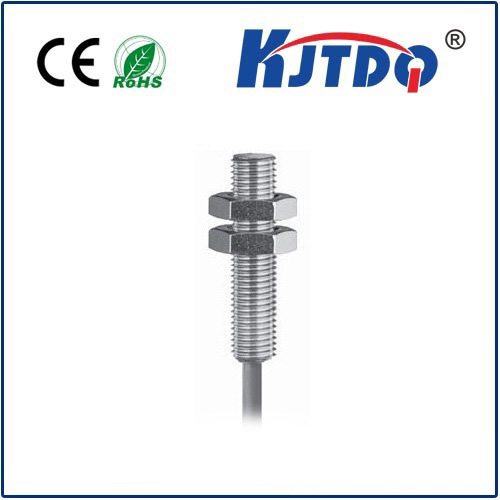
In the rapidly evolving landscape of industrial automation, the demand for reliable and accurate sensing solutions has never been higher. Among the various technologies available, the 10mm proximity sensor stands out as a critical component for detecting the presence or absence of objects without physical contact. This type of sensor operates based on electromagnetic fields, making it ideal for harsh environments where dust, moisture, or other contaminants might interfere with mechanical switches. With a sensing range of 10 millimeters, these devices offer a balanced combination of precision and versatility, suitable for applications ranging from assembly lines to packaging machinery.
The core functionality of a 10mm proximity sensor lies in its ability to detect metallic objects, such as steel, aluminum, or copper, within its specified range. When an object enters the sensor's field, it induces eddy currents that alter the oscillation amplitude, triggering an output signal. This non-contact method reduces wear and tear, leading to longer operational lifespans and lower maintenance costs compared to traditional limit switches. Industries like automotive manufacturing, food processing, and material handling have widely adopted these sensors to monitor position, count items, or ensure safety by preventing collisions.
One of the key advantages of the 10mm proximity sensor is its robustness. Designed to withstand vibrations, temperature fluctuations, and exposure to chemicals, these sensors maintain consistent performance even in demanding conditions. For instance, in automotive plants, they are used to verify the placement of components on conveyor belts, ensuring that each part is correctly aligned before proceeding to the next stage. Similarly, in packaging facilities, sensors help in detecting misaligned labels or missing products, thereby minimizing errors and enhancing overall efficiency.
When selecting a 10mm proximity sensor, factors such as output type (e.g., NPN or PNP), housing material, and connection method play a crucial role. NPN outputs are commonly used in sinking configurations, while PNP outputs suit sourcing setups, allowing integration with various control systems like PLCs (Programmable Logic Controllers). Additionally, sensors with IP67 or higher ratings provide protection against water and dust ingress, making them suitable for outdoor or washdown environments. Users should also consider the sensor's response time and repeat accuracy to meet specific application requirements.
Installation and calibration of 10mm proximity sensors are straightforward, but attention to detail is essential for optimal performance. Mounting the sensor at the correct distance and angle ensures reliable detection, while avoiding interference from nearby metal objects or other sensors. Regular testing with target objects can help verify functionality and prevent downtime. As technology advances, some models now feature built-in diagnostics or IO-Link communication, enabling real-time monitoring and predictive maintenance, which further boosts productivity.
In summary, the 10mm proximity sensor is a vital tool in modern industrial settings, offering non-contact detection with high precision and durability. Its applications span across numerous sectors, contributing to automated processes that require accuracy and reliability. By understanding its features and proper implementation, businesses can leverage this technology to improve operational efficiency, reduce costs, and enhance safety. As industries continue to embrace automation, the role of sensors like the 10mm proximity type will only grow, driving innovation and competitiveness in the global market.