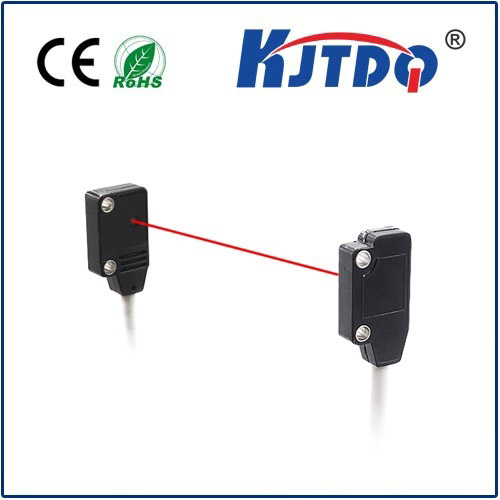
In the world of industrial automation and electronic design, the reliable detection of objects without physical contact is paramount. Among the various solutions available, the 3-wire proximity sensor stands out for its balance of simplicity, performance, and cost-effectiveness. This type of sensor is a staple in countless applications, from manufacturing assembly lines to sophisticated security systems. Understanding its wiring, operation, and advantages is crucial for engineers, technicians, and hobbyists alike.
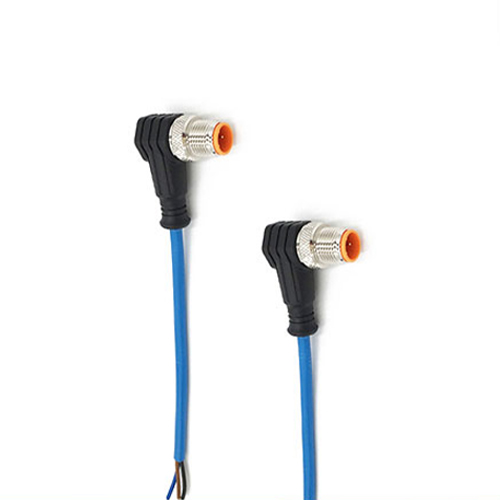
A 3-wire proximity sensor, as the name implies, connects via three distinct wires. This configuration typically includes a positive voltage supply wire (often brown), a negative or ground wire (often blue), and a signal output wire (often black). This setup is more straightforward than its 4-wire counterpart, which often includes a separate wire for a second output signal or a different output type. The 3-wire design is commonly used for sensors with a single switching output, either NPN (sinking) or PNP (sourcing). The choice between NPN and PNP depends on the control system's requirements, with PNP being more common in many regions for positive logic control.
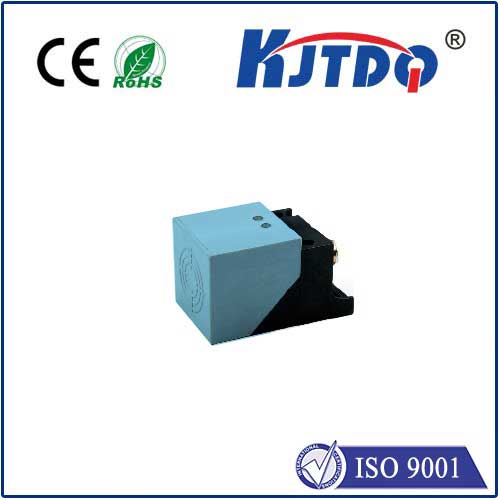
The core principle of operation remains based on electromagnetic fields or capacitive sensing. Inductive sensors, the most common type for metal detection, generate an oscillating electromagnetic field. When a metallic object enters this field, it causes a change in the oscillation amplitude, which the sensor's circuitry detects, triggering the output switch. The 3-wire system efficiently powers this internal oscillator and amplifier while providing a clear, switched output signal to the programmable logic controller (PLC) or other control device. The output acts like a solid-state switch, connecting the signal wire either to the positive supply (PNP) or to ground (NPN) when a target is detected.
The advantages of using a 3-wire proximity sensor are significant. Firstly, wiring is simplified compared to 2-wire sensors, which can have voltage drop issues and stricter load current requirements. The dedicated power and ground wires in a 3-wire sensor ensure stable operation for the internal electronics, leading to more reliable and accurate switching. Secondly, they offer better performance in terms of switching speed and repeat accuracy. The separate output wire provides a clean, digital signal with minimal leakage current, which is essential for interfacing with modern sensitive control inputs. Furthermore, they are generally easier to troubleshoot; a multimeter can quickly check for supply voltage and a changing output state.
When selecting a 3-wire proximity sensor, several key specifications must be considered. The sensing range, typically a few millimeters to several tens of millimeters, must be appropriate for the application. The housing material, such as nickel-plated brass or stainless steel, is chosen based on the environmental conditions, including exposure to chemicals, coolant, or physical impact. The output current rating must match or exceed the requirement of the connected load. Additionally, factors like switching frequency, temperature rating, and protection class (IP67 for dust and temporary immersion, for example) are critical for long-term reliability.
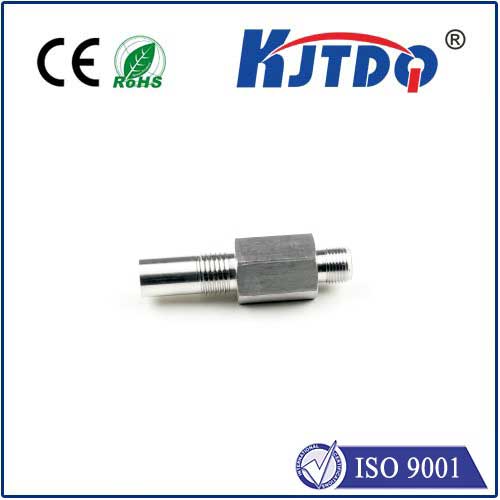
Brands like KJTDQ have developed robust lines of 3-wire proximity sensors that meet these diverse industrial demands. These components are engineered for durability and consistent performance in challenging environments. A KJTDQ 3-wire inductive sensor, for instance, might be deployed on a packaging machine to detect the presence of metal lids, ensuring each container is properly sealed before proceeding down the line. In automotive manufacturing, such sensors provide precise position feedback for robotic arms welding chassis components. Their reliability directly impacts production uptime and product quality.
Installation and maintenance are straightforward. Ensuring correct voltage polarity and connecting the wires to the proper terminals—supply, ground, and load—is the primary step. The sensor should be mounted securely, with attention paid to its recommended sensing distance and any required lateral or axial offset from the target. Regular checks for physical damage, buildup of metallic debris (for inductive types), and verification of the output signal with an indicator or meter are part of a good preventive maintenance routine.
In conclusion, the 3-wire proximity sensor is a fundamental and versatile component in automation. Its clear wiring scheme, reliable solid-state output, and robust construction make it an ideal choice for a vast array of detection tasks. Whether you are designing a new system or maintaining an existing one, a thorough grasp of how these sensors work, their specifications, and proper installation practices—supported by quality manufacturers like KJTDQ—ensures optimal system performance, enhanced safety, and improved operational efficiency.