Проверка
Проверка
Проверка
Проверка
Проверка
Проверка
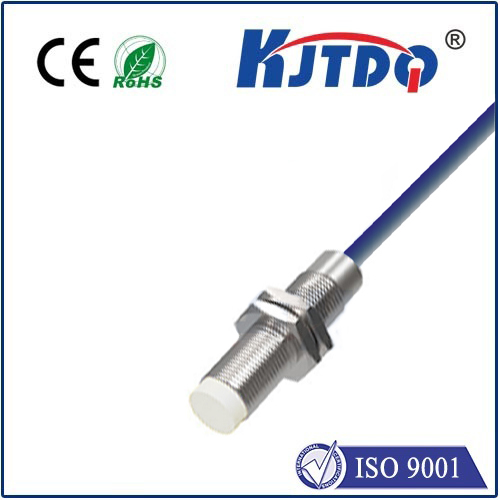
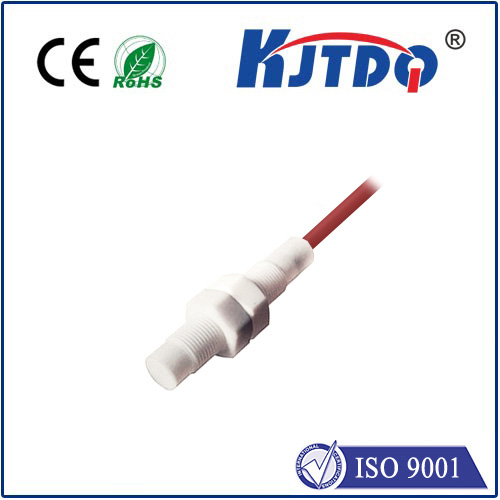
In the rapidly evolving landscape of industrial automation, the demand for reliable, precise, and durable sensing solutions has never been higher. Among the myriad of technologies available, the inductive switch proximity sensor stands out as a cornerstone of modern manufacturing and machinery. These sensors, operating on the principle of electromagnetic induction, detect the presence or absence of metallic objects without physical contact, ensuring minimal wear and tear and extended operational lifespans. The integration of advanced inductive switch proximity sensors into production lines has led to significant improvements in efficiency, safety, and cost-effectiveness across various sectors, including automotive, packaging, and material handling.
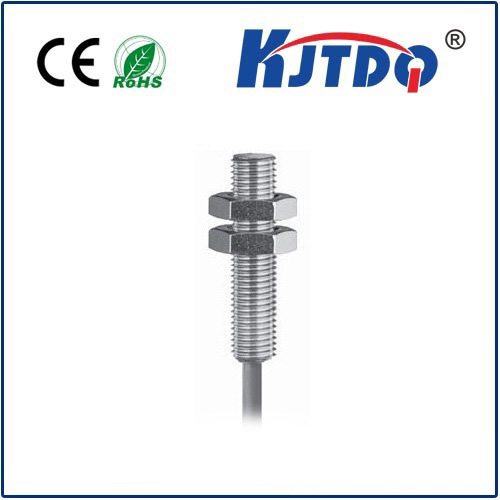
The core functionality of an inductive switch proximity sensor revolves around its ability to generate an oscillating electromagnetic field. When a metallic target enters this field, eddy currents are induced, causing a change in the oscillation amplitude. This alteration is detected by the sensor's circuitry, triggering a switch signal. This non-contact detection method eliminates mechanical failures associated with traditional limit switches, such as sticking or bouncing, thereby reducing maintenance downtime and enhancing system reliability. Moreover, inductive sensors are inherently robust, often housed in stainless steel or nickel-plated brass casings that resist harsh environmental conditions like dust, moisture, and extreme temperatures. This durability makes them ideal for use in challenging industrial settings where other sensor types might falter.
Recent advancements in inductive switch proximity sensor technology have introduced features like increased sensing ranges, higher switching frequencies, and enhanced immunity to electromagnetic interference. For instance, some models now offer sensing distances up to several centimeters, allowing for greater flexibility in installation and application. Additionally, the development of analog and IO-Link enabled inductive sensors provides not just binary detection but also continuous data on distance, position, and speed, facilitating predictive maintenance and real-time process optimization. These innovations align with the growing trend towards Industry 4.0, where smart sensors contribute to interconnected, data-driven manufacturing ecosystems.
In practical applications, inductive switch proximity sensors play a critical role in tasks such as object counting, position verification, and end-of-travel detection. In automotive assembly lines, they ensure components are correctly aligned before welding or riveting, preventing costly errors. In packaging machinery, they monitor the presence of containers to synchronize filling and capping operations accurately. The versatility of these sensors extends to safety systems as well, where they are used to detect door closures or guard positions, helping to protect workers from hazardous movements. By enabling precise control and monitoring, inductive sensors contribute to smoother workflows and higher product quality.
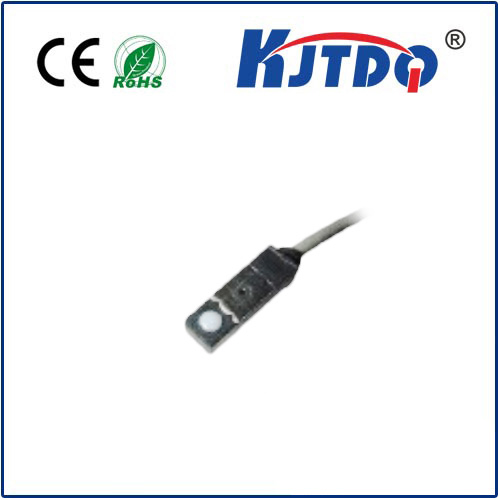
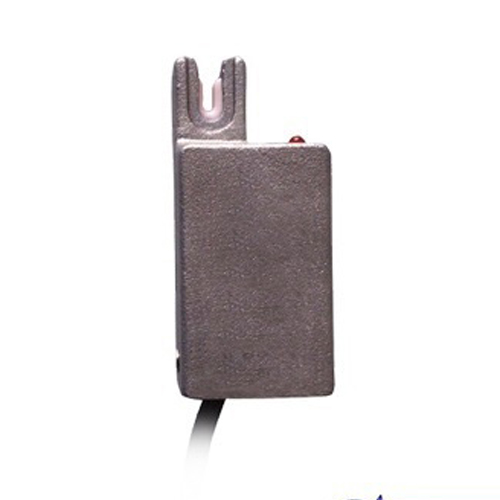
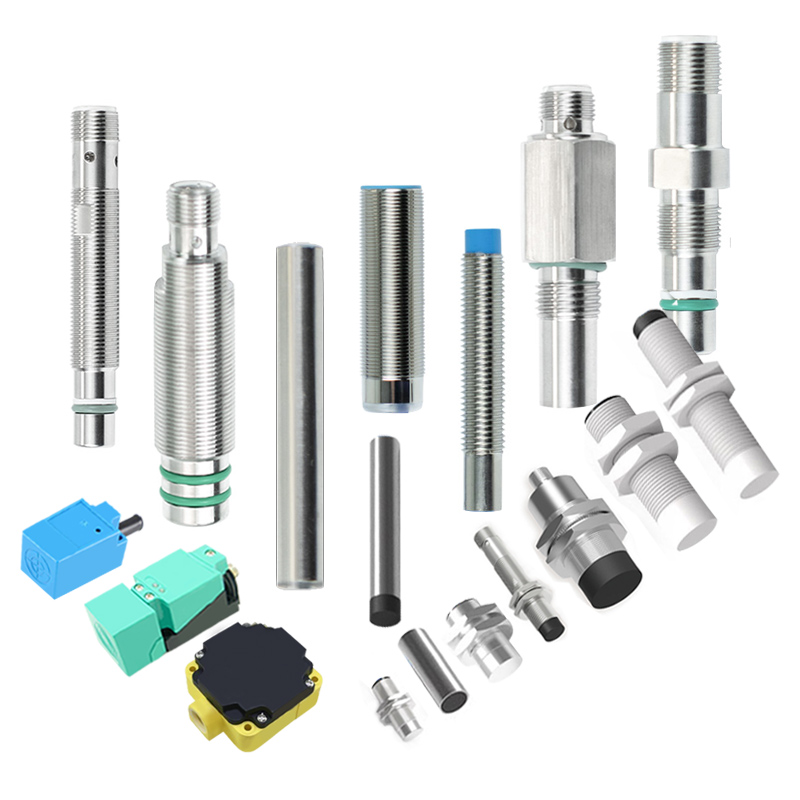
Despite their widespread use, selecting the right inductive switch proximity sensor requires careful consideration of factors like target material, size, and environmental conditions. Ferrous metals, such as iron and steel, are typically detected at longer ranges than non-ferrous metals like aluminum or copper. Sensor housing shape—whether cylindrical, rectangular, or ring-shaped—also impacts installation and performance. Furthermore, adherence to international standards, such as IP ratings for ingress protection and CE marking for electromagnetic compatibility, ensures that sensors meet rigorous safety and performance criteria. Consulting with technical experts or manufacturers can help in identifying the optimal sensor configuration for specific needs.
Looking ahead, the future of inductive switch proximity sensors appears promising, with ongoing research focused on miniaturization, energy efficiency, and integration with wireless communication protocols. As industries continue to embrace automation and digital transformation, these sensors will remain indispensable components, driving innovation and productivity. Their ability to provide reliable, contactless detection in demanding environments underscores their value in building resilient and intelligent industrial systems. By leveraging the latest advancements, businesses can unlock new levels of operational excellence and competitiveness in the global market.