Проверка
Проверка
Проверка
Проверка
Проверка
Проверка
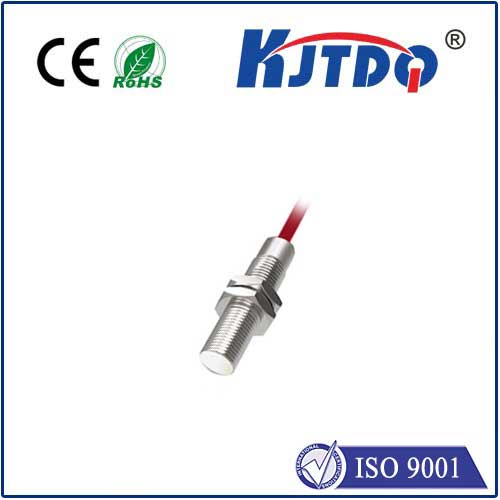
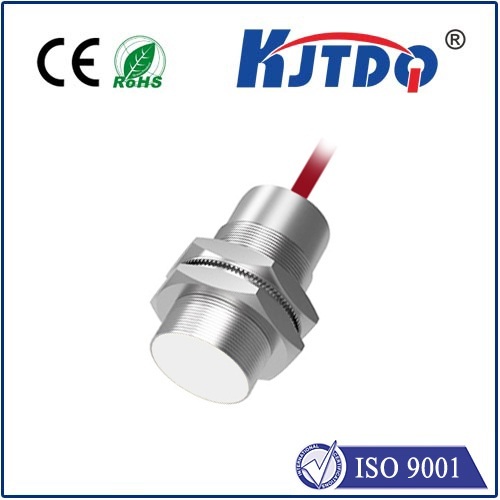
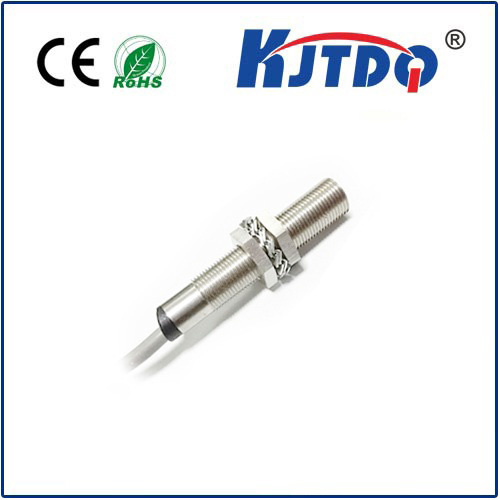
In industrial automation and control systems, proximity sensors play a crucial role in detecting the presence or absence of objects without physical contact. Among the various types, PNP proximity sensors are widely favored for their compatibility and output characteristics. This article delves into the specifics of PNP proximity sensor output, explaining its functionality, wiring, and practical applications to help engineers and technicians optimize their systems.
A PNP proximity sensor operates by generating an output signal when a target object enters its sensing range. The term "PNP" refers to the type of transistor used in the sensor's output circuit. In a PNP configuration, the output switches to a positive voltage relative to the common ground when activated. Essentially, when the sensor detects an object, it connects the output line to the positive supply voltage, allowing current to flow from the sensor to the load. This is often described as a "sourcing" output, as it sources current to the connected device, such as a programmable logic controller (PLC) input or a relay.
Understanding the output characteristics is key to proper integration. Typically, PNP sensors provide a digital signal—either on or off—with voltage levels matching the supply, commonly 12-24 VDC. The output is often in the form of a switched positive wire, while the negative wire is connected to ground. This contrasts with NPN sensors, which switch the negative side. In practice, PNP outputs are preferred in many regions, including Europe and Asia, due to their alignment with positive-logic control systems. When wiring a PNP sensor, it's essential to connect the brown wire (usually positive) to the power supply, the blue wire (negative) to ground, and the black wire (output) to the load. This setup ensures that when the sensor activates, the load receives a positive signal, triggering the desired action, such as starting a motor or recording a count.
The advantages of PNP proximity sensor output include enhanced noise immunity and straightforward interfacing with PLCs that accept sourcing inputs. In harsh industrial environments, where electrical interference is common, PNP outputs can offer more reliable performance by reducing the risk of false triggers. Additionally, they simplify circuit design in systems where multiple sensors share a common ground, as the positive output can be easily distributed. Common applications include position sensing on conveyor belts, object detection in packaging machinery, and safety interlocks in automated assembly lines. For instance, in a bottling plant, a PNP sensor might output a signal to stop a filler when no bottle is present, ensuring efficiency and preventing waste.
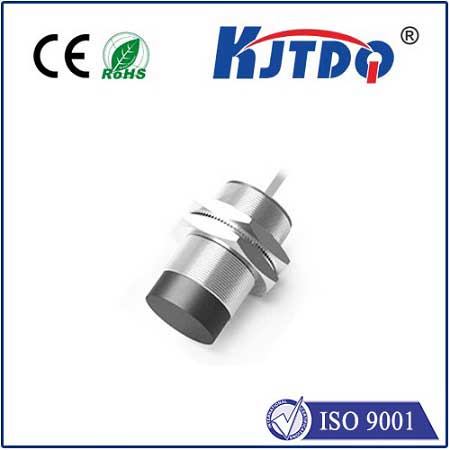
When selecting a PNP proximity sensor, consider factors like sensing range, material compatibility (e.g., for metallic or non-metallic targets), and environmental ratings (IP67 for dust and water resistance). Regular maintenance, such as checking wiring connections and cleaning the sensing face, can prolong sensor life and ensure consistent output. Troubleshooting often involves verifying power supply stability and measuring output voltage with a multimeter to confirm switching behavior. By mastering PNP proximity sensor output, professionals can enhance system reliability, reduce downtime, and improve overall operational safety in diverse industrial settings.