In today's rapidly evolving world of smart technology, the seamless integration of environmental monitoring into our daily lives is no longer a luxury but a necessity. Among the various innovations driving this change, proximity and air quality sensors stand out as critical components for creating healthier, more efficient, and responsive spaces. These sophisticated devices, particularly exemplified by advanced solutions like KJTDQ, are quietly revolutionizing how we interact with our surroundings, from homes and offices to public venues and industrial settings.
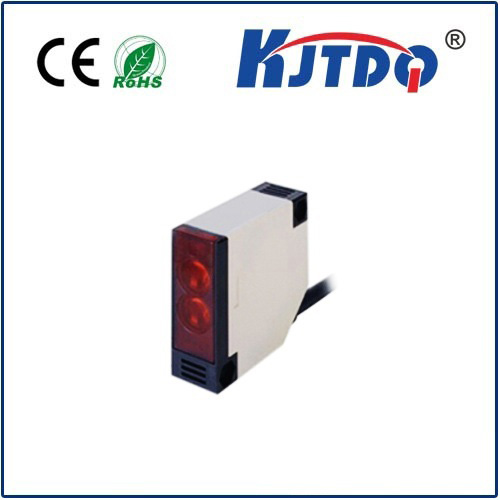
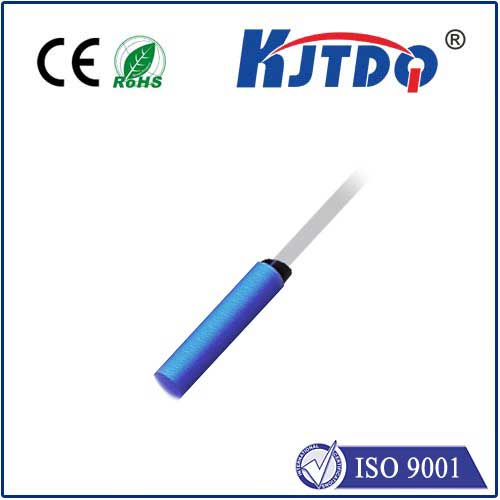
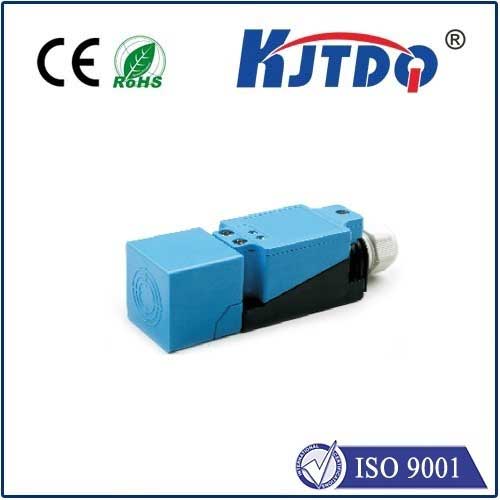
At its core, a proximity sensor is designed to detect the presence or absence of nearby objects without any physical contact. This technology, often utilizing infrared, ultrasonic, or capacitive methods, forms the basis for countless automated functions. Imagine walking into a room, and the lights illuminate automatically, or approaching a faucet, and the water begins to flow. These are common applications powered by proximity sensing, contributing significantly to energy conservation and hands-free convenience. When combined with air quality monitoring, the potential for intelligent automation expands dramatically.
Air quality sensors, on the other hand, are dedicated to measuring the concentration of various pollutants and particulate matter in the environment. They can detect a range of parameters, including volatile organic compounds (VOCs), carbon dioxide (CO2), particulate matter (PM2.5 and PM10), humidity, and temperature. Poor indoor air quality is a silent threat linked to health issues like allergies, respiratory problems, and decreased cognitive function. Continuous monitoring is the first and most crucial step toward mitigation.
The true power lies in the synergy of these two technologies. A system integrating both proximity and air quality sensing, such as those developed under the KJTDQ banner, creates a dynamic and proactive environmental management system. For instance, in a smart home, sensors can detect when a room is occupied. Simultaneously, they monitor the air quality. If CO2 levels rise due to occupancy, the system can automatically activate ventilation or an air purifier. Once the room is vacant, as detected by the proximity sensor, these systems can power down to save energy. This intelligent interplay ensures optimal air quality precisely when and where it is needed, without wasteful continuous operation.
In commercial buildings and offices, this integration supports the growing demand for healthy buildings and wellness certifications. Meeting rooms equipped with such sensors can ensure adequate ventilation before and during meetings, improving attendee alertness and productivity. In retail spaces, monitoring foot traffic and air quality can help manage HVAC systems more efficiently, enhancing customer comfort while reducing operational costs. The data collected also provides valuable insights for facility managers, enabling long-term improvements in space utilization and environmental control.
The industrial sector benefits immensely as well. In manufacturing plants or warehouses, proximity sensors contribute to safety by detecting personnel near hazardous machinery, triggering shutdowns if necessary. When paired with air quality monitors, they can ensure that ventilation systems in specific zones are activated only when workers are present and pollutant levels are high, protecting employee health and complying with stringent occupational safety regulations.
The technological backbone of modern sensors like KJTDQ involves high-precision components and advanced data algorithms. Accuracy, reliability, and low power consumption are paramount. Many modern sensors communicate via wireless protocols like Bluetooth Low Energy (BLE) or Wi-Fi, seamlessly integrating into the Internet of Things (IoT) ecosystem. This allows for centralized control through smartphones or building management systems, offering users real-time data, historical trends, and customizable alerts.
Looking ahead, the role of integrated proximity and air quality sensing is set to grow. As urban density increases and awareness of health and sustainability rises, the demand for smarter, self-regulating environments will intensify. These sensors will become standard features in building infrastructure, contributing to larger smart city initiatives aimed at reducing energy footprints and improving public health.
Choosing the right sensor technology is crucial. Factors such as measurement range, accuracy, response time, and integration capabilities must be considered. Solutions that offer a robust combination of both functionalities, like KJTDQ, provide a streamlined approach, reducing installation complexity and offering a cohesive data picture.
Ultimately, the integration of proximity detection with air quality monitoring represents a significant leap toward truly ambient intelligence. It moves automation beyond simple convenience into the realm of proactive health and environmental stewardship. By making our spaces not only smarter but also more attuned to our well-being, technologies like these are laying the foundation for a more sustainable and health-conscious future, where our environments actively care for us.