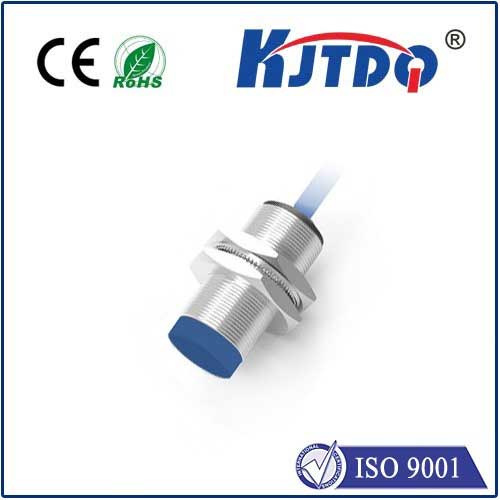
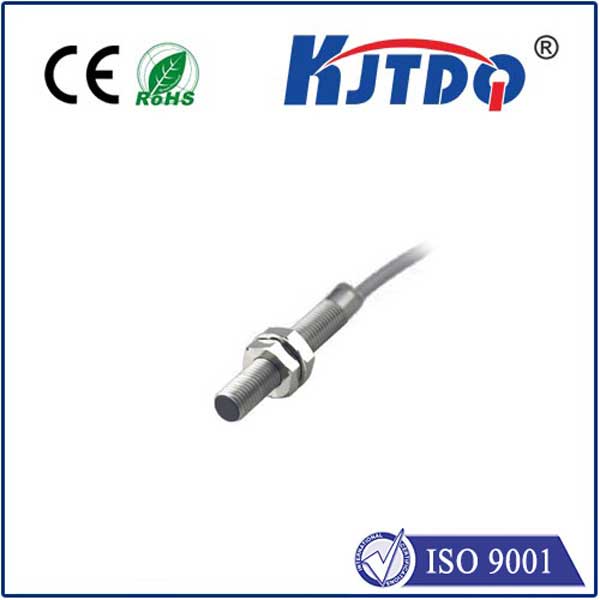
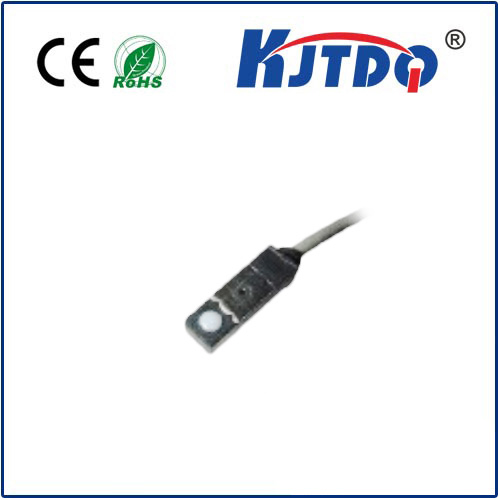
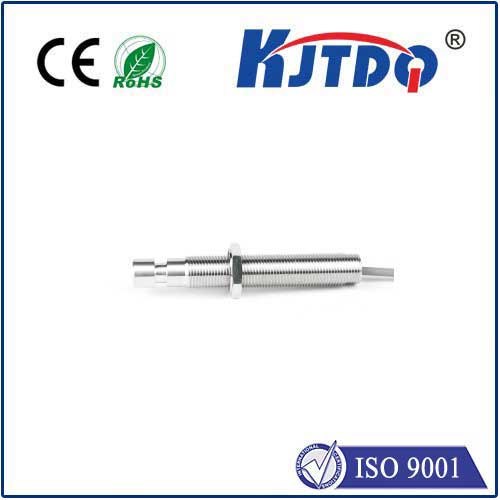
In the intricate world of industrial automation and process control, the accurate detection of liquid presence is paramount. From ensuring optimal fill levels in beverage bottling to preventing costly leaks in chemical processing plants, reliable sensing technology forms the backbone of efficient and safe operations. This is where the liquid proximity sensor emerges as a critical component, offering a non-contact, highly reliable solution for a myriad of applications. Unlike traditional mechanical switches or float-based systems, modern liquid proximity sensors provide a sophisticated means of detection that minimizes maintenance and maximizes uptime.
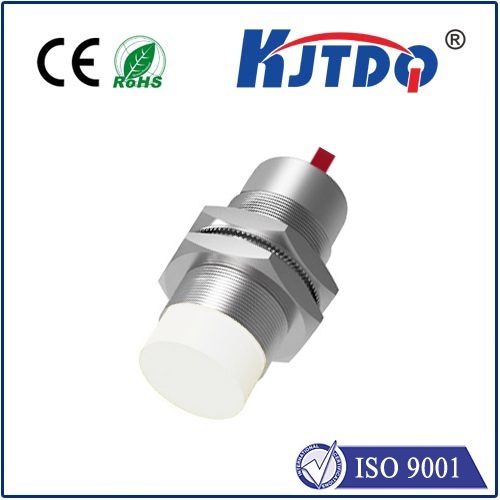
The core technology behind a liquid proximity sensor often involves capacitive sensing principles. These sensors generate an electromagnetic field. When a liquid, which typically has a higher dielectric constant than air, enters this sensing field, it causes a detectable change in capacitance. This change is then processed by the sensor's internal electronics, triggering a switch signal. This method allows for the detection of various liquids—water, oils, solvents, and even viscous materials—through non-metallic container walls like plastic or glass. This non-invasive capability is a significant advantage, eliminating the need for direct contact with the liquid, which reduces contamination risks and sensor wear.
Another prevalent technology is the ultrasonic liquid proximity sensor. These devices emit high-frequency sound waves and measure the time it takes for the echo to return. The presence of liquid alters the acoustic impedance, leading to a distinct change in the reflected signal. This makes ultrasonic sensors exceptionally effective for detecting liquid levels, interfaces between two immiscible liquids, or the presence of foam. Their performance is largely independent of the liquid's color, transparency, or conductivity, making them versatile across different industries.
The applications for liquid proximity sensors are vast and varied. In the automotive industry, they monitor brake fluid levels and coolant in reservoirs. In pharmaceutical manufacturing, they ensure precise liquid levels in mixing vats, crucial for maintaining formula consistency. Food and beverage plants rely on them for fill-level control, preventing overfills and underfills. Furthermore, in environmental monitoring, these sensors can detect groundwater levels or the presence of liquids in containment areas, providing early warnings for potential spills or leaks.
Selecting the right liquid proximity sensor requires careful consideration of several factors. The chemical composition of the liquid is primary; sensors must be constructed with materials compatible with the fluid to avoid corrosion or degradation. Temperature and pressure ranges of the operating environment are also critical. For instance, sensors used in high-temperature pasteurization processes must withstand thermal stress. The required sensing distance and the type of output signal (e.g., analog, digital, IO-Link) must align with the control system's architecture. Modern sensors often come with advanced features like programmability, temperature compensation, and diagnostic indicators, enhancing their intelligence and ease of integration.
Installation and maintenance, while generally straightforward, are key to long-term reliability. Proper mounting, ensuring the correct sensing distance, and avoiding sources of electrical noise are essential steps. Regular checks for buildup or coating on the sensor face, which can attenuate the sensing field, help maintain accuracy. The major benefit of these solid-state devices is their lack of moving parts, leading to a long operational life with minimal intervention compared to mechanical alternatives.
As Industry 4.0 advances, liquid proximity sensors are becoming smarter. Integration with Industrial Internet of Things (IIoT) platforms allows for predictive maintenance, where sensor data can forecast potential failures before they occur. Real-time data from a network of sensors provides a comprehensive view of fluid management across a facility, enabling data-driven decisions to optimize processes, reduce waste, and enhance safety protocols.
In conclusion, the liquid proximity sensor is far more than a simple switch. It is a sophisticated, reliable, and adaptable tool that safeguards processes, ensures quality, and drives efficiency. From simple presence detection to complex level monitoring, its role in modern industry is indispensable. As technology continues to evolve, these sensors will become even more integrated, intelligent, and vital to the automated systems that define contemporary manufacturing and processing.