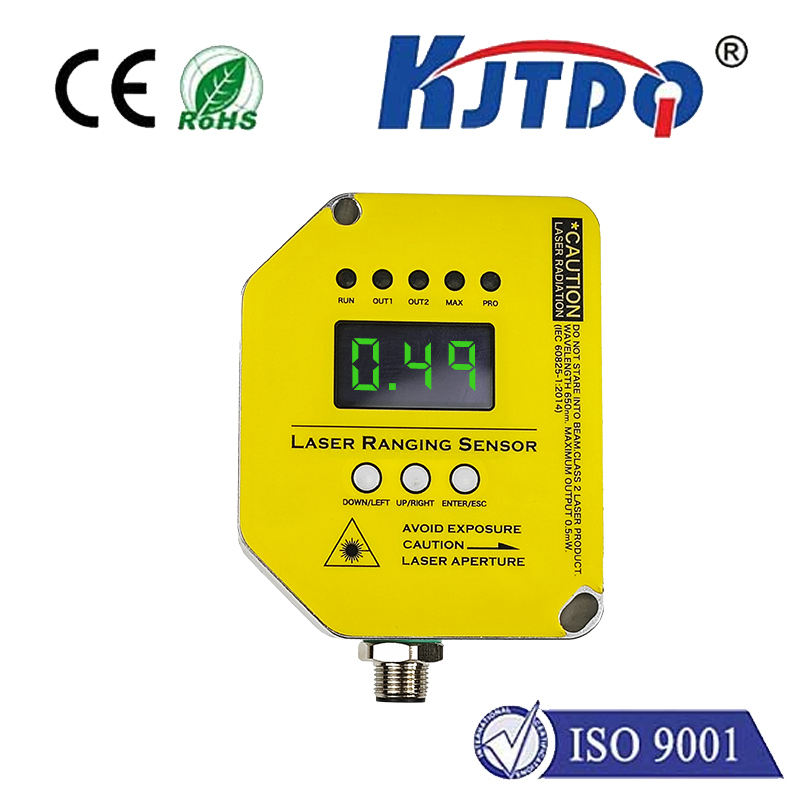
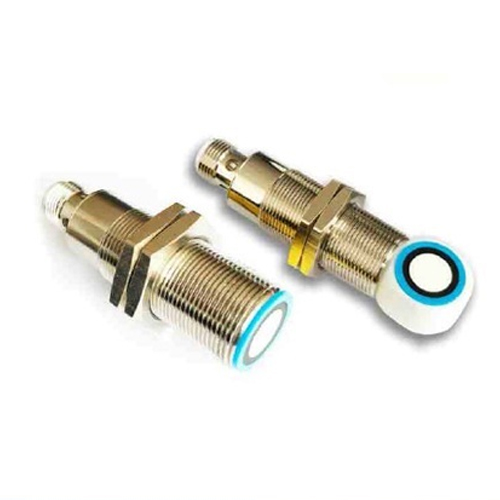
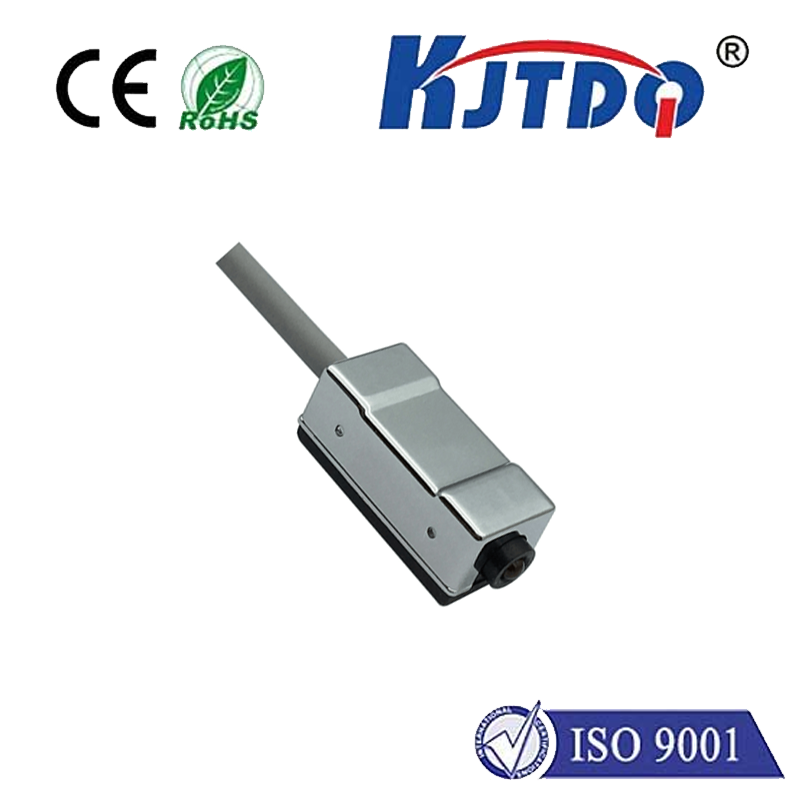
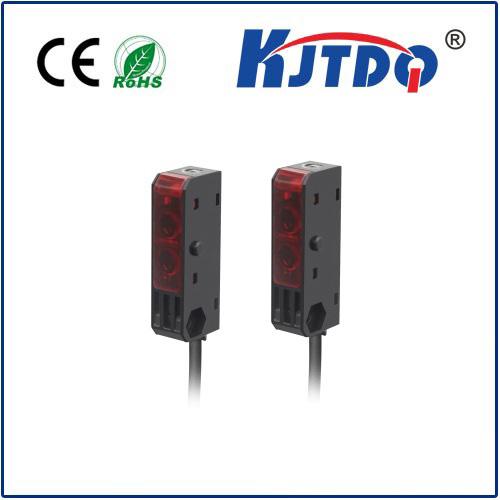
In modern industrial automation and smart device applications, photoelectric sensor proximity detection has become a cornerstone technology. These sensors operate by emitting a light beam—typically infrared, visible, or laser—and detecting changes in the received light to determine the presence, absence, or distance of an object. Unlike mechanical switches or capacitive sensors, photoelectric sensors offer non-contact detection, high precision, and reliability in diverse environments.
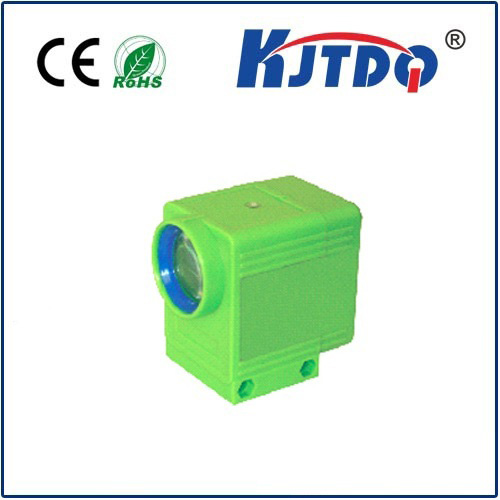
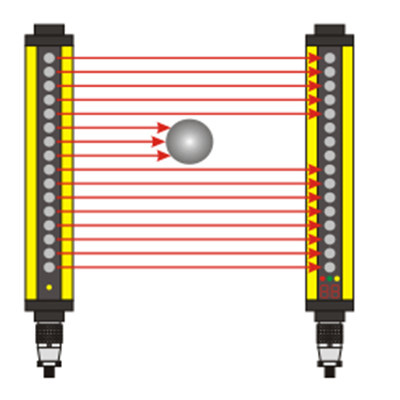
The core principle involves a transmitter and a receiver. The transmitter projects light toward a target area. When an object enters this area, it either reflects the light back to the receiver (reflective mode) or interrupts the light beam (through-beam mode). Some advanced models use diffuse reflection, where the sensor detects light scattered directly from the object's surface. This flexibility allows photoelectric sensors to handle tasks ranging from simple object counting on conveyor belts to complex positioning in robotic arms.
One key advantage is their adaptability to challenging conditions. For instance, in dusty warehouses or humid production lines, photoelectric sensors with robust housings and modulated light signals can filter out ambient interference, ensuring stable performance. They are also invaluable in applications requiring fast response times, such as packaging machinery or safety curtains, where milliseconds matter.
Industries leverage this technology for quality control, inventory management, and automation safety. In automotive assembly, sensors verify part placement; in logistics, they track parcel movement. The integration of IoT connectivity has further enhanced their utility, enabling real-time data collection and predictive maintenance.
When selecting a photoelectric sensor, factors like sensing range, light source type, and environmental resistance must be considered. Regular cleaning of lenses and alignment checks can prolong lifespan. As innovation continues, miniaturization and energy-efficient designs are expanding their use in consumer electronics and smart infrastructure.
Ultimately, photoelectric sensor proximity systems bridge the gap between physical objects and digital control, driving efficiency across sectors. Their non-invasive nature and precision make them indispensable in the evolving landscape of Industry 4.0 and beyond.