Проверка
Проверка
Проверка
Проверка
Проверка
Проверка
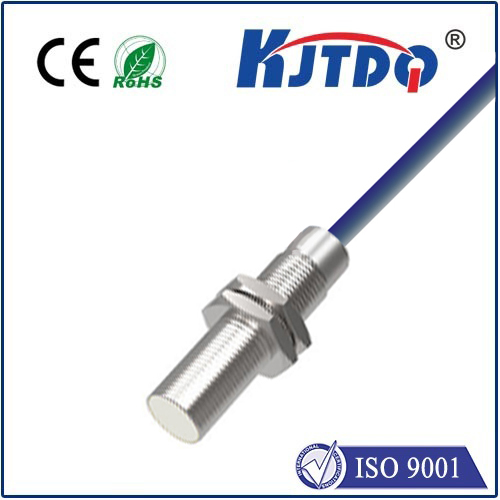
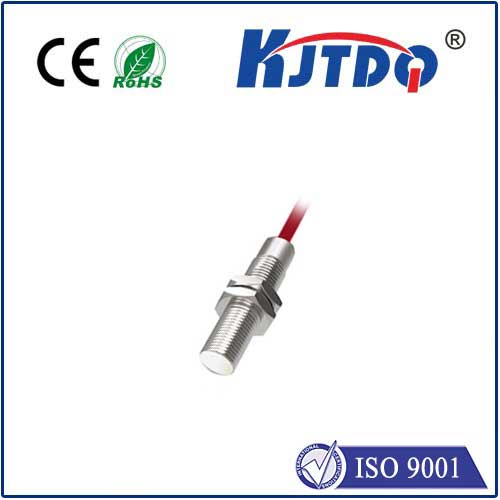
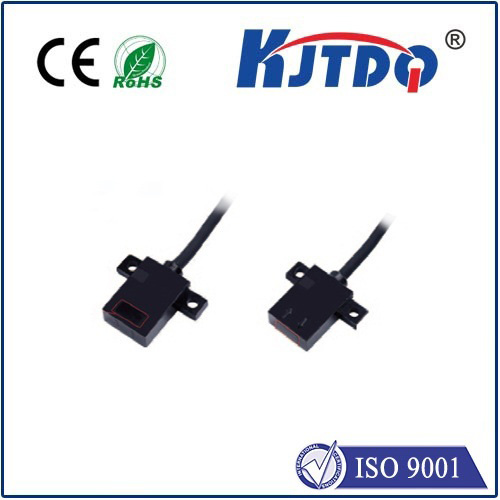
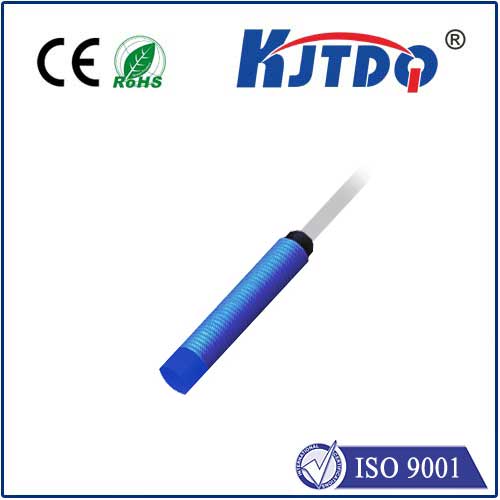
In the rapidly evolving landscape of industrial automation and smart technology, the demand for compact, reliable, and highly accurate sensing solutions has never been greater. Enter the mini proximity sensor, a pivotal component that is quietly powering a new wave of efficiency and innovation. These diminutive devices, often no larger than a fingertip, are engineered to detect the presence or absence of objects without any physical contact, making them indispensable in environments where precision, speed, and durability are non-negotiable.
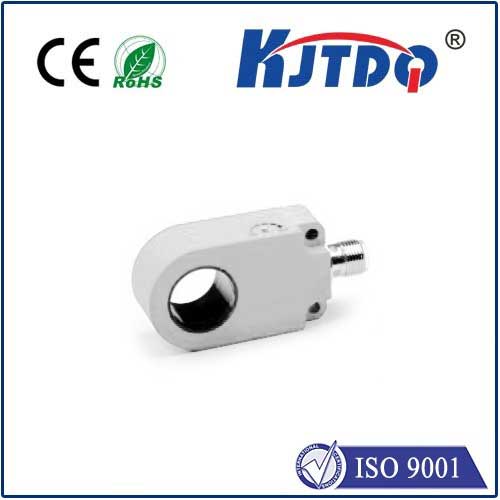
The core technology behind a mini proximity sensor typically involves electromagnetic fields, capacitive sensing, or ultrasonic waves. Inductive sensors, for instance, generate an oscillating electromagnetic field to detect metallic targets, while capacitive variants can sense both metallic and non-metallic materials by measuring changes in capacitance. Their miniature form factor is a triumph of engineering, packing sophisticated detection capabilities into a housing that can be easily integrated into space-constrained designs. This allows engineers and designers to incorporate proximity sensing into applications previously deemed impossible due to size limitations.
The applications for these tiny powerhouses are vast and varied. In the manufacturing sector, mini proximity sensors are the unsung heroes on assembly lines, performing critical tasks such as part counting, position verification, and end-of-travel detection for robotic arms. Their high-speed response and immunity to environmental factors like dust, oil, and moisture ensure consistent operation in harsh conditions. Beyond the factory floor, they are integral to consumer electronics, enabling features like automatic screen wake/sleep in laptops and tablets when a cover is detected. The automotive industry relies on them for safety and convenience systems, including gear position sensing and automated trunk opening.
Furthermore, the rise of the Internet of Things (IoT) and smart devices has opened new frontiers. Mini proximity sensors contribute to energy conservation in smart buildings by detecting occupancy for lighting and HVAC control. In medical devices, they provide non-contact detection for sensitive equipment, enhancing both safety and hygiene. Their low power consumption also makes them ideal for battery-operated portable devices.
Selecting the right mini proximity sensor requires careful consideration of several parameters. Sensing range, while inherently limited by the small size, is precisely defined for close-range applications. The type of output (e.g., NPN, PNP, analog) must match the control system. Environmental ratings, such as IP67 for dust and water resistance, are crucial for industrial use. Manufacturers continue to push boundaries, developing models with enhanced noise immunity, wider temperature tolerances, and even IO-Link capability for advanced diagnostics and parameter setting, paving the way for smarter, more connected systems.
In conclusion, the mini proximity sensor is far more than just a smaller version of its larger counterparts. It represents a focused solution for modern design challenges, enabling smarter, more compact, and more reliable automation. As technology trends continue to emphasize miniaturization and intelligence, the role of these precise detection components will only expand, solidifying their status as a fundamental building block in the toolkit of engineers shaping the future of automation and interactive design.