Проверка
Проверка
Проверка
Проверка
Проверка
Проверка
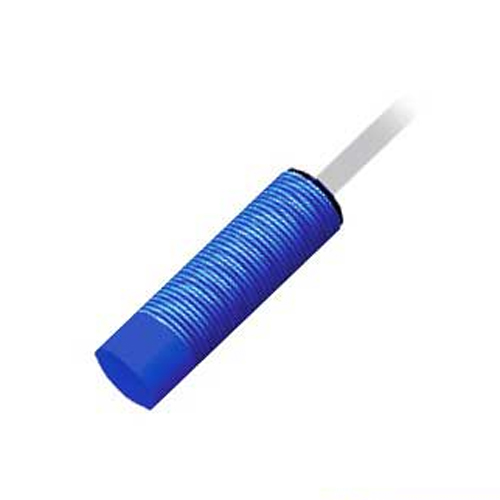
In the rapidly evolving landscape of industrial automation, precision and reliability are non-negotiable. The advent of advanced ring proximity sensor inductive technology marks a significant leap forward, offering unparalleled performance in detection and positioning tasks. Unlike traditional sensors, these inductive ring sensors operate on the principle of electromagnetic induction, generating an oscillating electromagnetic field. When a metallic target enters this field, eddy currents are induced, causing a change in the oscillation amplitude. This change is precisely detected, allowing for non-contact, wear-free sensing of metallic objects.
The core advantage of the ring proximity sensor inductive design lies in its unique form factor. The sensor is shaped like a ring or a donut, with the sensing face located on the inner circumference. This allows objects, such as bolts, wires, or tools, to pass directly through the center bore. This through-hole design is revolutionary for applications requiring the detection of small metallic parts on high-speed production lines, monitoring the presence of screws in automated assembly, or verifying the passage of metal components through a pipe or conduit. The non-invasive nature ensures zero physical interference with the moving part, eliminating friction and potential damage.
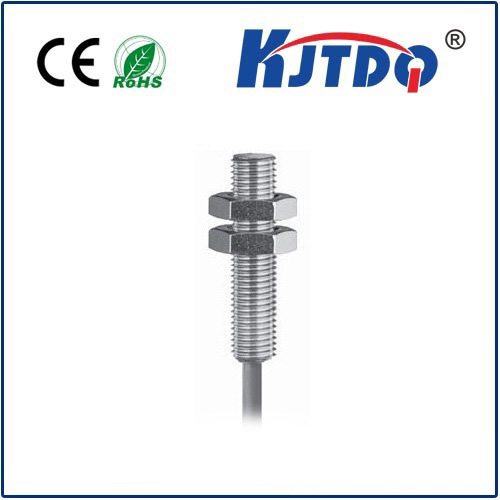
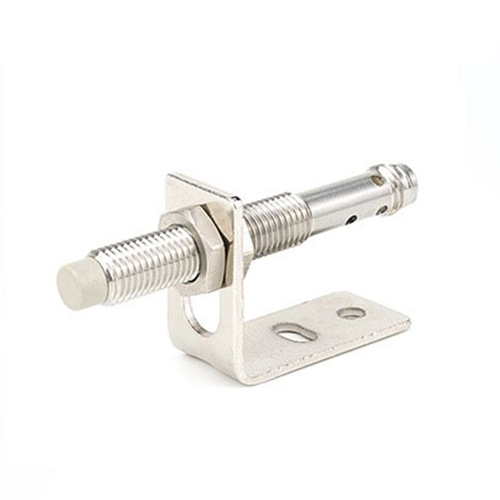
Engineers and system integrators are increasingly specifying ring inductive proximity sensors for their robustness and environmental immunity. These sensors are inherently resistant to common industrial challenges such as dust, dirt, oil, and coolant splashes. Their solid-state construction, often housed in stainless steel or rugged PBT plastic, ensures longevity even in harsh manufacturing environments, including automotive plants, metalworking facilities, and packaging machinery. The technology provides exceptional switching consistency, with minimal hysteresis, ensuring repeatable accuracy over millions of cycles. This reliability directly translates to reduced machine downtime and lower maintenance costs.
Furthermore, modern ring proximity sensor inductive units come with enhanced features. Many offer adjustable sensing distances or sensitivity, allowing for fine-tuning on the fly to accommodate different target materials or sizes. The integration of advanced electronics enables short-circuit and overload protection, along with clear status indication via LED lights. For connectivity, they are available in various output configurations—including NPN, PNP, and analog outputs—seamlessly interfacing with PLCs (Programmable Logic Controllers) and other control systems. This flexibility makes them a cornerstone for building smart, Industry 4.0-ready production cells.
The application spectrum is vast. In the automotive sector, they are indispensable for checking piston ring presence or valve spring orientation. In electronics manufacturing, they verify the insertion of metal pins in connectors. In food and beverage packaging, they detect metal caps or foil seals on conveyor lines. The technology's ability to ignore non-metallic materials like plastic, wood, or liquid is a key benefit, preventing false triggers and ensuring process integrity.
As industries push for higher efficiency and smarter automation, the demand for sophisticated sensing solutions like the ring inductive proximity sensor will only grow. Its combination of precise non-contact detection, durable construction, and application versatility makes it an essential component for optimizing production flow, enhancing quality control, and building the resilient, automated factories of the future. By choosing this technology, businesses invest in a foundation of operational excellence and technological leadership.