Проверка
Проверка
Проверка
Проверка
Проверка
Проверка
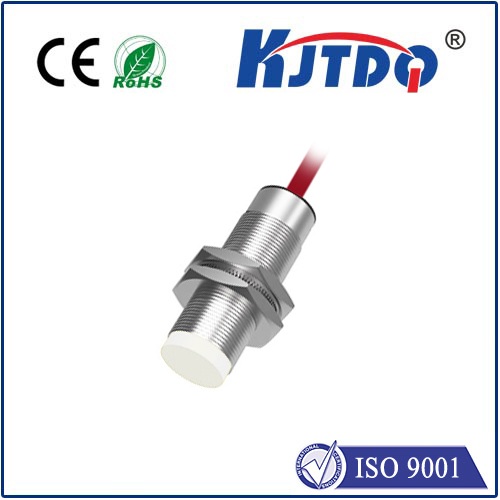
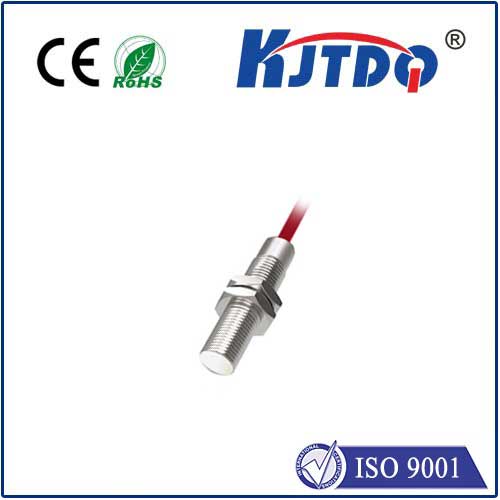
In the realm of industrial automation, precision, reliability, and durability are non-negotiable. The inductive proximity switch sensor stands as a cornerstone technology, enabling machines to detect the presence or absence of metallic objects without any physical contact. This non-contact detection capability is fundamental to countless applications, from assembly line sequencing and robotic guidance to machine safety and position verification. The core principle behind an inductive proximity sensor involves generating an electromagnetic field from its sensing face. When a metallic target enters this field, eddy currents are induced within the target, causing a change in the oscillation amplitude within the sensor's internal circuit. This change is detected and converted into a solid-state output signal, typically switching a load on or off.
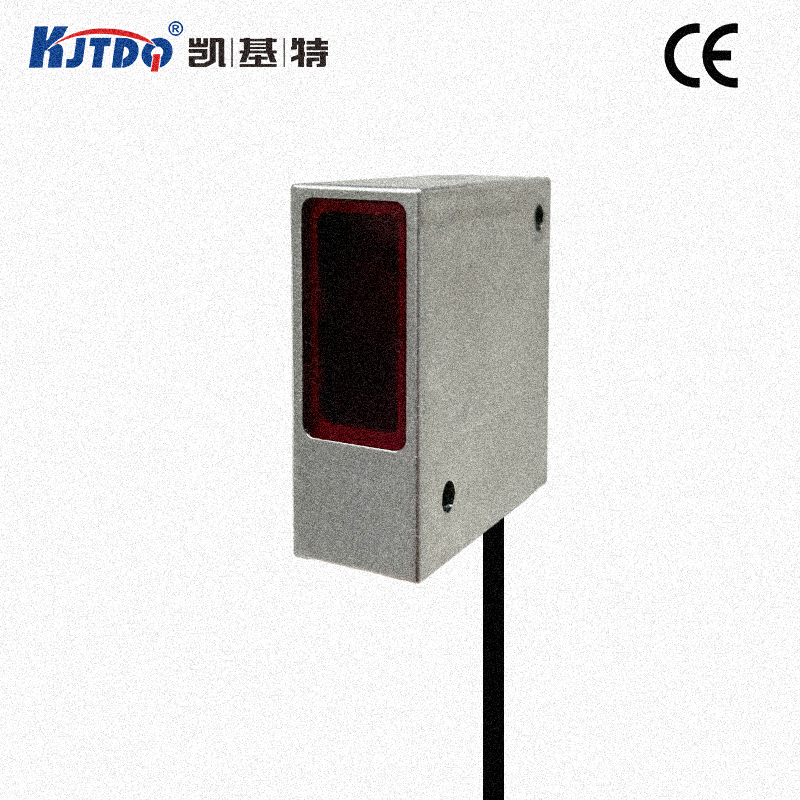
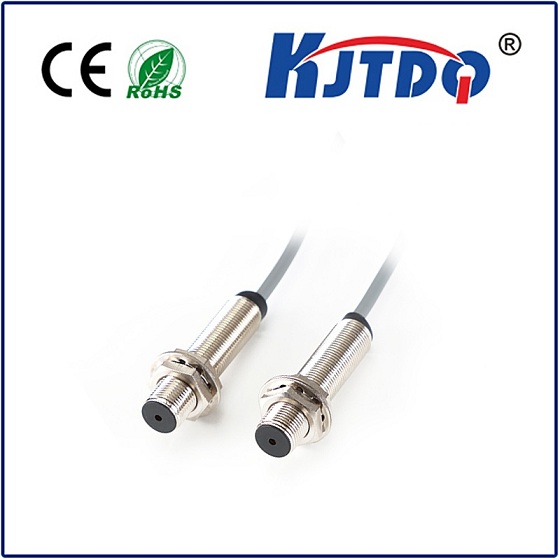
The advantages of utilizing high-quality inductive proximity sensors, such as those in the KJTDQ series, are manifold. Their contactless operation eliminates mechanical wear and tear, leading to a significantly longer operational lifespan compared to mechanical limit switches. They are inherently robust, often housed in stainless steel or nickel-plated brass bodies, making them resistant to dust, moisture, oils, and coolants commonly found in harsh industrial environments. This IP67 or higher ingress protection rating ensures consistent performance. Furthermore, they offer high switching frequencies, allowing for the detection of very fast-moving objects on high-speed production lines. Their response is incredibly consistent and repeatable, providing the precision necessary for modern manufacturing tolerances.
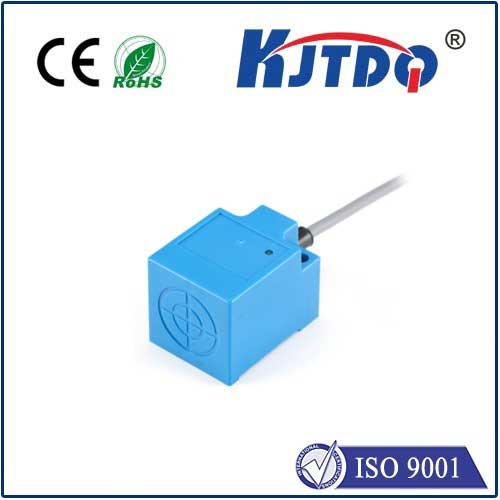
Selecting the right inductive sensor requires careful consideration of several technical parameters. The sensing distance, or nominal range, is crucial and must be chosen based on the application's required detection gap. It's important to note that the sensing distance can vary slightly depending on the target material; ferrous metals like iron and steel are detected at the nominal range, while non-ferrous metals like aluminum or copper typically require a reduced sensing distance. The sensor's housing shape—be it cylindrical, rectangular, or ring-shaped—must fit the mechanical installation constraints. Output configuration is another key decision; sensors can provide NPN (sinking) or PNP (sourcing) transistor outputs, or even analog (4-20mA or 0-10V) outputs for distance-proportional measurement, compatible with PLCs (Programmable Logic Controllers) and other control systems. Factors like temperature range, voltage supply, and connection type (pre-wired cable or quick-disconnect) also play a vital role in ensuring seamless integration.
The application spectrum for inductive proximity switch sensors is vast. In automotive manufacturing, they count gears, verify piston placement in engines, and confirm robotic weld gun closure. In packaging machinery, they detect the presence of metal lids or foil seals on containers. Within material handling, they monitor the position of metal pallets on conveyors or act as limit switches for automated guided vehicles (AGVs). In metalworking, they provide tool breakage detection on CNC machines or control the feed of metal sheets. Their role in safety is critical, often used as interlock sensors on machine guards to ensure doors are closed before operation commences.
Modern advancements have pushed the capabilities of these sensors even further. Miniaturization has led to the development of sensors as small as M3 or M4 threads, allowing installation in extremely tight spaces. Factor 1 cylindrical sensors offer the same sensing distance from all sides of the housing, simplifying mounting. Sensors with IO-Link digital communication capability are becoming increasingly prevalent, enabling not just simple switching but also the transmission of detailed diagnostic data, parameterization, and condition monitoring information directly to the control system, paving the way for predictive maintenance strategies.
For engineers and system integrators, the KJTDQ series represents a reliable solution designed to meet these diverse and demanding needs. By focusing on core performance metrics like switching accuracy, environmental resilience, and electrical compatibility, these sensors contribute directly to reducing machine downtime, improving product quality, and enhancing overall operational efficiency. Implementing the correct inductive proximity sensor is not merely a component selection; it is a strategic decision that impacts the reliability and intelligence of the entire automated system. As Industry 4.0 continues to evolve, the humble inductive proximity switch sensor remains an indispensable, smart, and connected element at the very edge of the industrial IoT ecosystem.