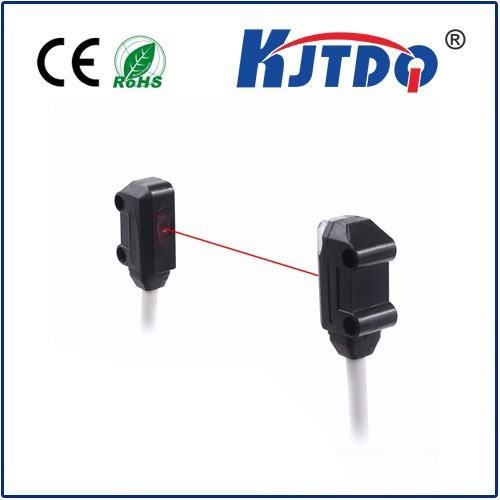
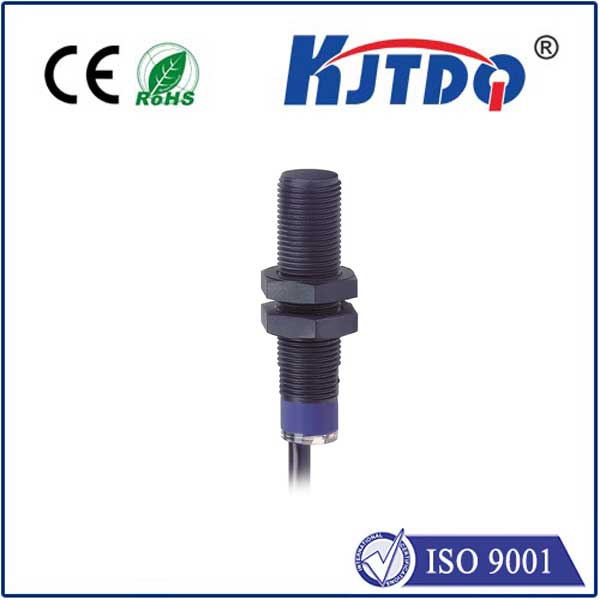
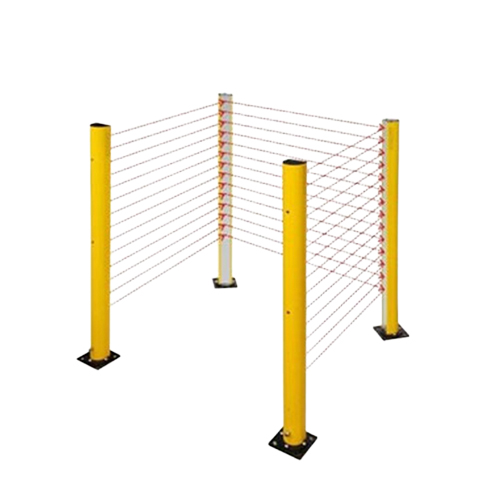
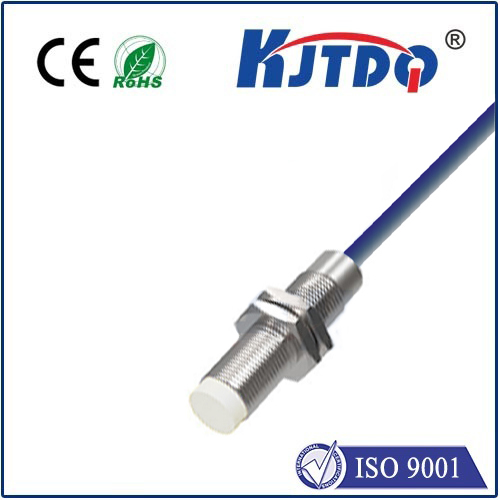
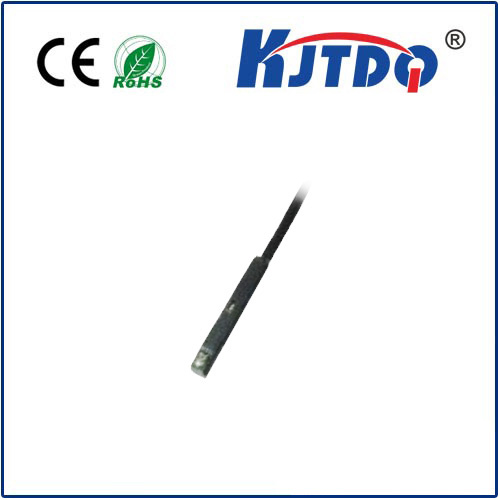
In the realm of industrial automation, precision, reliability, and durability are non-negotiable. Among the myriad of components that ensure seamless operations, the inductive proximity switch sensor stands out as a fundamental pillar. These non-contact detection devices have revolutionized how machines interact with their environment, offering unparalleled performance in harsh industrial settings. The KJTDQ series of inductive proximity sensors exemplifies this technological advancement, providing robust solutions for modern manufacturing challenges.
Inductive proximity sensors operate on a simple yet powerful principle. They generate an electromagnetic field from a coil and oscillator circuit housed within the sensor head. When a metallic object enters this field, eddy currents are induced on the target's surface. This causes a change in the oscillation amplitude, which is detected by the sensor's circuitry, triggering a solid-state output switch. This mechanism allows for the detection of ferrous and non-ferrous metals without any physical contact, eliminating mechanical wear and tear.
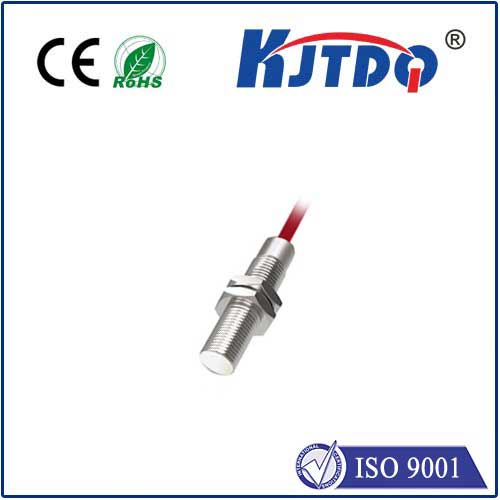
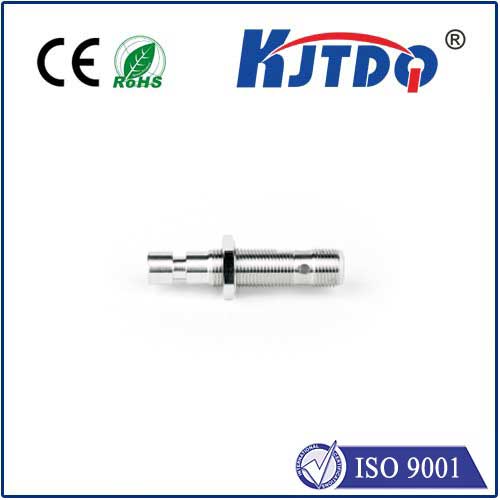
The KJTDQ sensor series is engineered for exceptional performance. Key features include high switching frequencies, enabling detection of fast-moving objects on production lines. Their robust housing, typically made of nickel-plated brass or stainless steel, offers high resistance to shock, vibration, and corrosive environments. Many models in the KJTDQ line are fully submersible and immune to common industrial contaminants like dust, coolants, and metal shavings. This makes them ideal for applications in machine tools, material handling systems, and automotive assembly plants.
A significant advantage of the inductive proximity switch is its insensitivity to non-metallic materials. Unlike capacitive sensors, they will not falsely trigger due to the presence of liquids, wood, or plastics. This ensures stable and reliable operation when the target is specifically metallic. The KJTDQ series offers various sensing ranges, from a few millimeters to several centimeters, and comes in diverse form factors like cylindrical, rectangular, and ring-shaped designs to fit specific mounting requirements.
Installation and integration are straightforward. These sensors typically feature a standard 3-wire or 2-wire DC configuration with PNP or NPN output types, compatible with most programmable logic controllers (PLCs) and industrial control systems. LED status indicators provide immediate visual feedback for diagnostics and setup. The KJTDQ models often incorporate short-circuit and reverse polarity protection, safeguarding both the sensor and the connected control circuitry from accidental wiring errors.
The applications for inductive proximity sensors like the KJTDQ series are vast. They are commonly used for position sensing, such as detecting the presence of a metal part at the end of a robotic arm's stroke or verifying if a cylinder is fully extended or retracted. They serve as vital components in counting systems, monitoring the passage of metal items on a conveyor. In automated packaging, they ensure proper positioning of metal containers. They also play a crucial role in safety interlocking, preventing machine operation if a guard door is not securely closed.
Selecting the right KJTDQ sensor involves considering several factors. The target material is primary; while all metals can be detected, the sensing distance varies. Steel typically provides the rated nominal range, while aluminum or copper may reduce it. The required sensing distance and the sensor's mounting constraints in the application are critical. Environmental conditions, such as temperature extremes or exposure to welding sparks, must also be matched to the sensor's specifications. Finally, the electrical requirements, including operating voltage and output current, must align with the control system.
Maintenance is minimal due to the non-contact nature of the technology. However, ensuring the sensor face remains clean from heavy buildup of metallic debris is recommended for optimal performance. Regular functional checks can be integrated into machine startup routines. The longevity and mean time between failures (MTBF) for quality sensors like the KJTDQ series are exceptionally high, leading to reduced downtime and lower total cost of ownership.
In conclusion, the inductive proximity switch sensor is an indispensable tool in the automation engineer's arsenal. The KJTDQ series, with its robust construction, reliable operation, and versatile design options, provides a trusted solution for enhancing efficiency, safety, and productivity across countless industrial processes. By enabling precise, wear-free detection, these sensors form the silent, reliable backbone of the automated world, driving innovation and operational excellence forward.